 Preview
 Send
Send Share
Share
 Details

 Download
 Similars
 X-Ray
X-Ray Diaporama
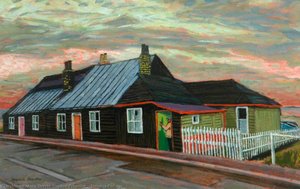
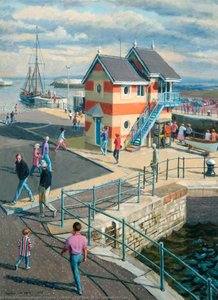
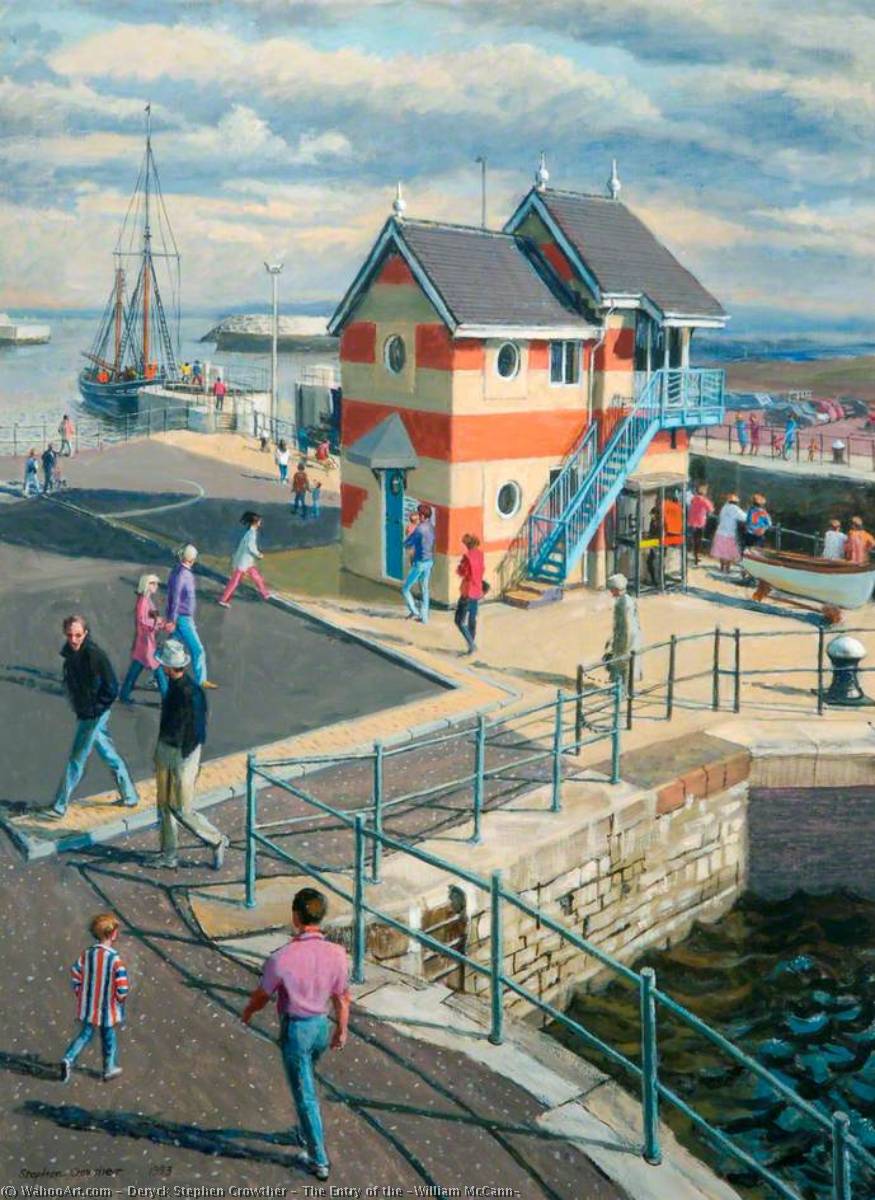
The Entry of the 'William McCann'
 1993
1993 100.0 x 75.0 cm
 Read More
Giclée / Art Print
Museum-quality giclée or canvas print with fast production and flexible finish options. ( Buy Hand Made Painting Buy Image)




































Pick from our preset sizes that match the artwork's original proportions.

You may enter your own dimensions to fit a specific frame or space. If your selected size does not match the original image's proportions, we will either crop the artwork or extend the image with a mirrored or solid-fill edge. A digital mockup will be sent for your approval before production begins.
Please note that the on-screen preview does not reflect the actual cropping or extension. Only the mockup will accurately show the final composition.
While custom sizes are available, we recommend selecting a dimension from the predefined list to preserve the original proportions.
Worldwide Delivery () in 2 weeks instead of standard 4/5 weeks. (28 August)

Free Worldwide Express Shipping

High-Quality Linen Canvas

Full Shipping Insurance

Customs Tax Refund Guarantee

True Color Matching Guarantee

60-Day Return Policy (Defects Only)

100% Money-Back Guarantee

Bulk Discount Offer
 Glass option is only available in size under 110 CM

The Entry of the 'William McCann'
Giclée / Art Print
Reproduction Size
-


Total Price
$ 63
Related Artworks









Artist Biography
The Quiet Observer: Deryck Stephen Crowther and the Soul of Hartlepool
Deryck Stephen Crowther isn't a name instantly recognizable in global art circles, yet within the Tees Valley of North East England, particularly around his adopted home of Hartlepool, he’s become synonymous with capturing the very essence of place. His paintings aren’t bombastic statements; they are quiet observations, meticulously rendered scenes that speak volumes about the lives lived and histories embedded within the coastal town's fabric. Crowther emerged not from formal art institutions but through a dedicated self-taught practice, fueled by an unwavering passion for realism and a deep connection to his surroundings. He represents a fascinating case study in how artistic vision can flourish outside traditional pathways, becoming deeply rooted in local identity and community. His work isn’t about imposing a style *onto* Hartlepool; it's about revealing the beauty already present, often overlooked, within its streets, docks, and skies.Early Life and Artistic Awakening
Born and raised in County Durham, Crowther’s early life offered little indication of his future path as an artist. He pursued a career in engineering, a profession that instilled in him a precision and attention to detail which would later become hallmarks of his painting style. However, the structured world of technical drawings couldn't fully contain his creative impulses. A growing fascination with light and shadow, coupled with a desire to document the changing landscapes around him, led him to begin sketching and painting as a hobby during his spare time. This self-directed exploration quickly evolved into an all-consuming passion. He wasn’t formally trained; instead, he immersed himself in studying the techniques of the Old Masters – particularly the Dutch Realists like Johannes Vermeer and Pieter de Hooch – learning through observation, practice, and relentless dedication. The shift from engineering to art was gradual but profound, a testament to his unwavering commitment to honing his craft. He found inspiration not in grand historical narratives or abstract concepts, but in the everyday scenes unfolding around him, particularly within the industrial landscapes of the North East.The Hartlepool Project: Documenting a Town’s Identity
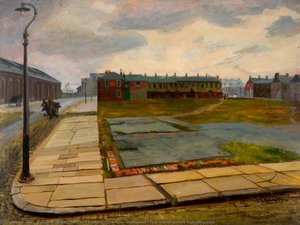
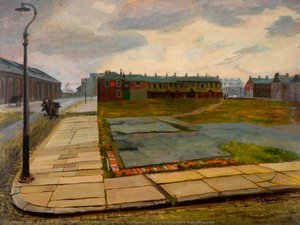
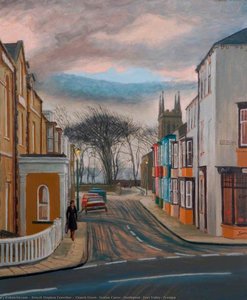
Crowther's move to Hartlepool proved pivotal. The town, with its rich maritime history and often-gritty reality, became his primary subject matter. He embarked on what can be described as a self-imposed “Hartlepool project,” systematically documenting the town’s streets, buildings, docks, and people. His paintings aren't idealized depictions; they are honest portrayals of working-class life, capturing both the beauty and hardship inherent in the coastal environment.- Mainsforth Terrace, a recurring motif in his work, exemplifies this approach. The row of Victorian houses, often bathed in dramatic light, becomes a symbol of resilience and community.
- Seaton Carew, the seaside area of Hartlepool, is another frequent subject, rendered with remarkable sensitivity to atmosphere and mood.
- His depictions of the docks aren’t romanticized visions of seafaring adventure; they are gritty, realistic portrayals of industry and labor.