 Preview
 Send
Send Share
Share
 Details

 Download
 Similars
 X-Ray
X-Ray Diaporama
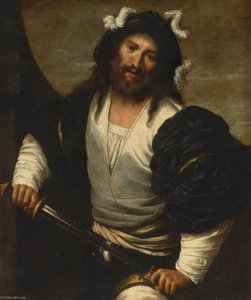
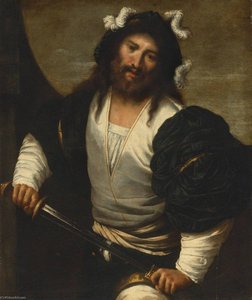
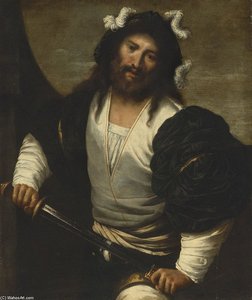
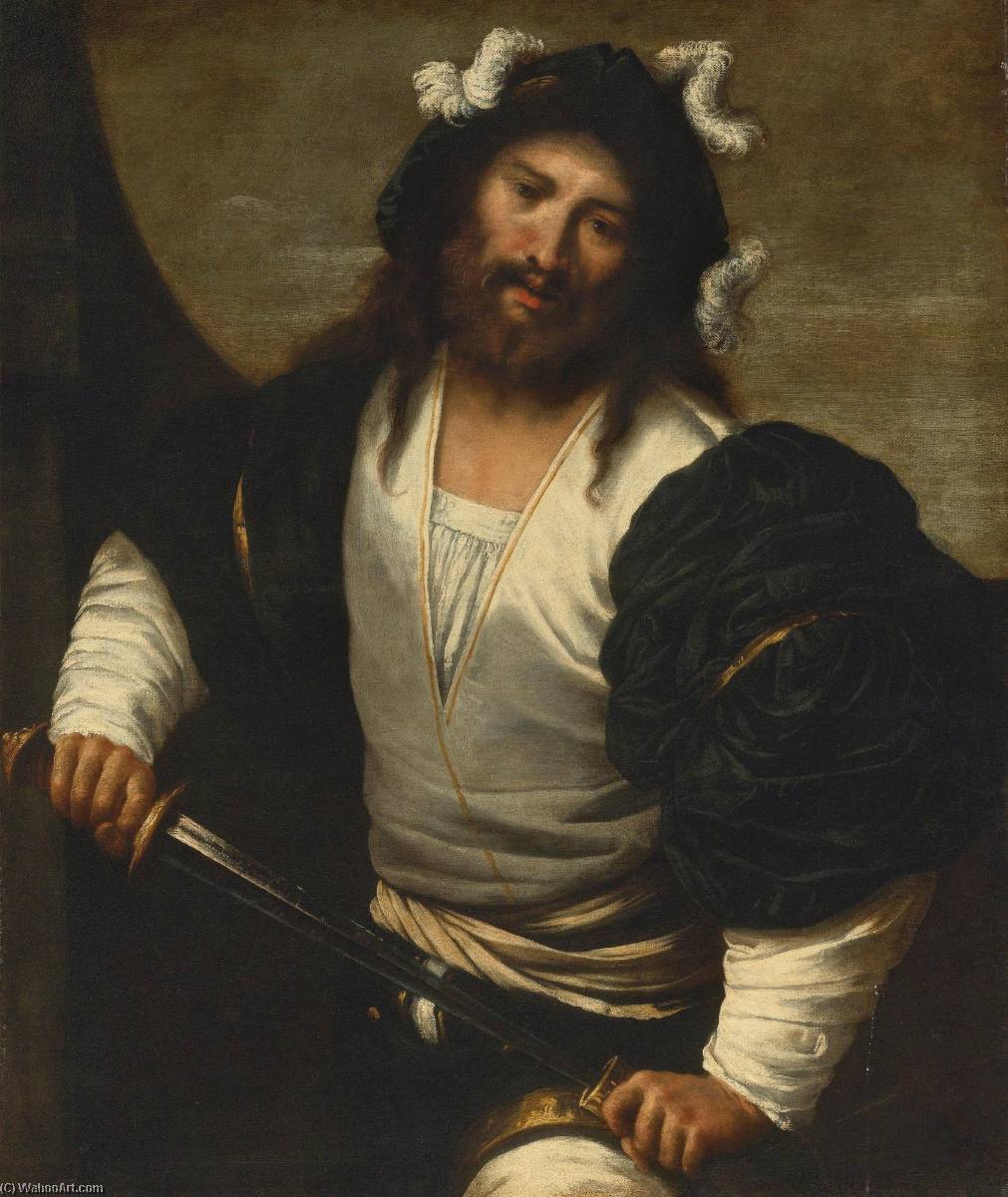
Man drawing a sword
 118.0 x 98.0 cm
 Read More
Hand Made Oil Reproduction
Hand-painted oil on canvas in your size and frame, made to order by our artists. ( Buy Print Buy Image)




































Pick from our preset sizes that match the artwork's original proportions.

You may enter your own dimensions to fit a specific frame or space. If your selected size does not match the original image's proportions, we will either crop the artwork or extend the painting with additional hand-painted elements. A digital mockup will be sent for your approval before production begins.
Please note that the on-screen preview does not reflect the actual cropping or extension. Only the mockup will accurately show the final composition.
While custom sizes are available, we recommend selecting a dimension from the predefined list to preserve the original proportions.
After order, ArtsDot.com team will email client for instructions and provide a mockup preview
Worldwide Delivery () in 3/4 weeks instead of standard 5 weeks. (17 August). No compromise on quality.

Free Worldwide Express Shipping

High-Quality Linen Canvas

Full Shipping Insurance

Customs Tax Refund Guarantee

True Color Matching Guarantee

60-Day Return Policy (Defects Only)

100% Money-Back Guarantee

Bulk Discount Offer
 Glass option is only available in size under 110 CM

Man drawing a sword
Reproduction Medium
Reproduction Size
-


Total Price
$ 263
Related Artworks
Artist Biography
A Venetian Chameleon: The Life and Art of Pietro della Vecchia
For centuries, the name Pietro Muttoni echoed through art historical circles, mistakenly attached to a remarkably versatile painter whose true identity was Pietro della Vecchia – a testament to the vagaries of attribution and the enduring power of misinterpretation. Born around 1603 in either Venice or Vicenza, Della Vecchia’s life unfolded against the backdrop of a city steeped in artistic tradition yet embracing the burgeoning drama of the Baroque era. Unlike artists defined by a singular style, Della Vecchia was a chameleon, capable of seamlessly adopting and mastering diverse techniques, from the luminous clarity of Carlo Saraceni to the shadowy intensity of Caravaggio and the refined elegance of 16th-century masters like Titian. This extraordinary adaptability, coupled with his skills as an art restorer and expert evaluator, made him a sought-after figure in Venetian society.
His early training remains somewhat shrouded in mystery. While sources initially pointed to Alessandro Varotari, known as Padovanino, as his mentor, stylistic analysis suggests a more complex development. The influence of Saraceni and his pupil Jean Leclerc is evident in his earliest works – delicate depictions of St. Francis imbued with a gentle piety. However, it was likely a sojourn in Rome around 1621-22 that ignited his passion for the dramatic chiaroscuro championed by Caravaggio. This fascination manifested in paintings characterized by stark contrasts of light and shadow, imbuing religious scenes with an emotional intensity previously unseen in Venetian art.
A Master of Imitation and Innovation
Della Vecchia’s true genius lay not merely in imitation but in his ability to synthesize diverse influences into a uniquely compelling style. After his time with Padovanino, he absorbed the lessons of the Venetian Renaissance giants – Titian, Giorgione, Veronese – meticulously studying their compositions, color palettes, and techniques. He didn't simply copy these masters; rather, he created what can be described as ‘pastiches’—works that skillfully blended elements from different artists and periods. This ability to convincingly evoke the styles of past masters proved remarkably popular with Venetian collectors who sought paintings reminiscent of the glories of earlier eras.
His repertoire was impressively broad. He excelled in altarpieces, imbuing them with a dramatic narrative power; he painted compelling portraits that captured both physical likeness and psychological depth; and his genre scenes offered glimpses into everyday life, often infused with subtle moralizing undertones. Beyond painting, Della Vecchia’s talents extended to designing cartoons for mosaics – a testament to his compositional skills – and serving as an art restorer, meticulously preserving the legacy of earlier generations. His expertise was highly valued, and he frequently acted as an art expert, providing valuations for discerning collectors.
Beyond Muttoni: Rediscovering Della Vecchia’s Legacy
The confusion surrounding his name – erroneously labeled Pietro Muttoni due to a historical mix-up involving a private collection – obscured his artistic achievements for centuries. It wasn't until the late 20th century that scholars began to disentangle the truth, recognizing the breadth and depth of Della Vecchia’s oeuvre. This rediscovery revealed an artist who was not merely a skilled imitator but a dynamic innovator, capable of seamlessly blending tradition and modernity.
His historical significance lies in his ability to reflect the evolving tastes of Venetian society during a period of transition. While embracing the dramatic intensity of the Baroque, he simultaneously catered to a nostalgia for the glories of the Renaissance. He was a painter who understood the power of art not only to depict reality but also to evoke emotion, tell stories, and preserve the legacy of the past.
Selected Achievements & Lasting Influence
- Masterful Pastiches: His ability to convincingly imitate the styles of 16th-century Venetian masters like Titian and Giorgione set him apart.
- Versatility in Genre: He excelled in altarpieces, portraits, genre scenes, and grotesques, demonstrating a remarkable range of artistic skill.
- Art Restoration & Expertise: His work as an art restorer and evaluator solidified his position as a leading figure in the Venetian art world.
- Dramatic Use of Light & Shadow: Influenced by Caravaggio, he employed chiaroscuro to create emotionally resonant compositions.
Though not always celebrated under his own name for much of his career, Pietro della Vecchia’s legacy endures. His paintings continue to captivate viewers with their technical brilliance, emotional depth, and subtle interplay of tradition and innovation – a testament to the enduring power of a true Venetian chameleon.
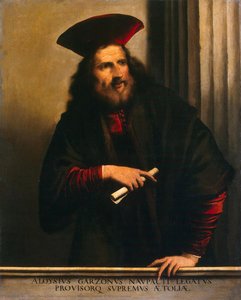
detto pietro della vecchia pietro muttoni
1602 - 1678
Quick Facts
- Artistic Movement Or Style: Baroque, Mannerism
- Artists Who Influenced This Artist:
- Carlo Saraceni
- Alessandro Varotari
- Date Of Birth: ca. 1603
- Date Of Death: 1678
- Full Name: Pietro della Vecchia
- Nationality: Italian
- Notable Artworks:
- Soldiers at the Palmist
- Portrait of Aloysio Garzoni
- Place Of Birth: Venice, Italy