

 Preview
 Send
Send Share
Share
 Details

 Download
 Similars
 X-Ray
X-Ray Diaporama
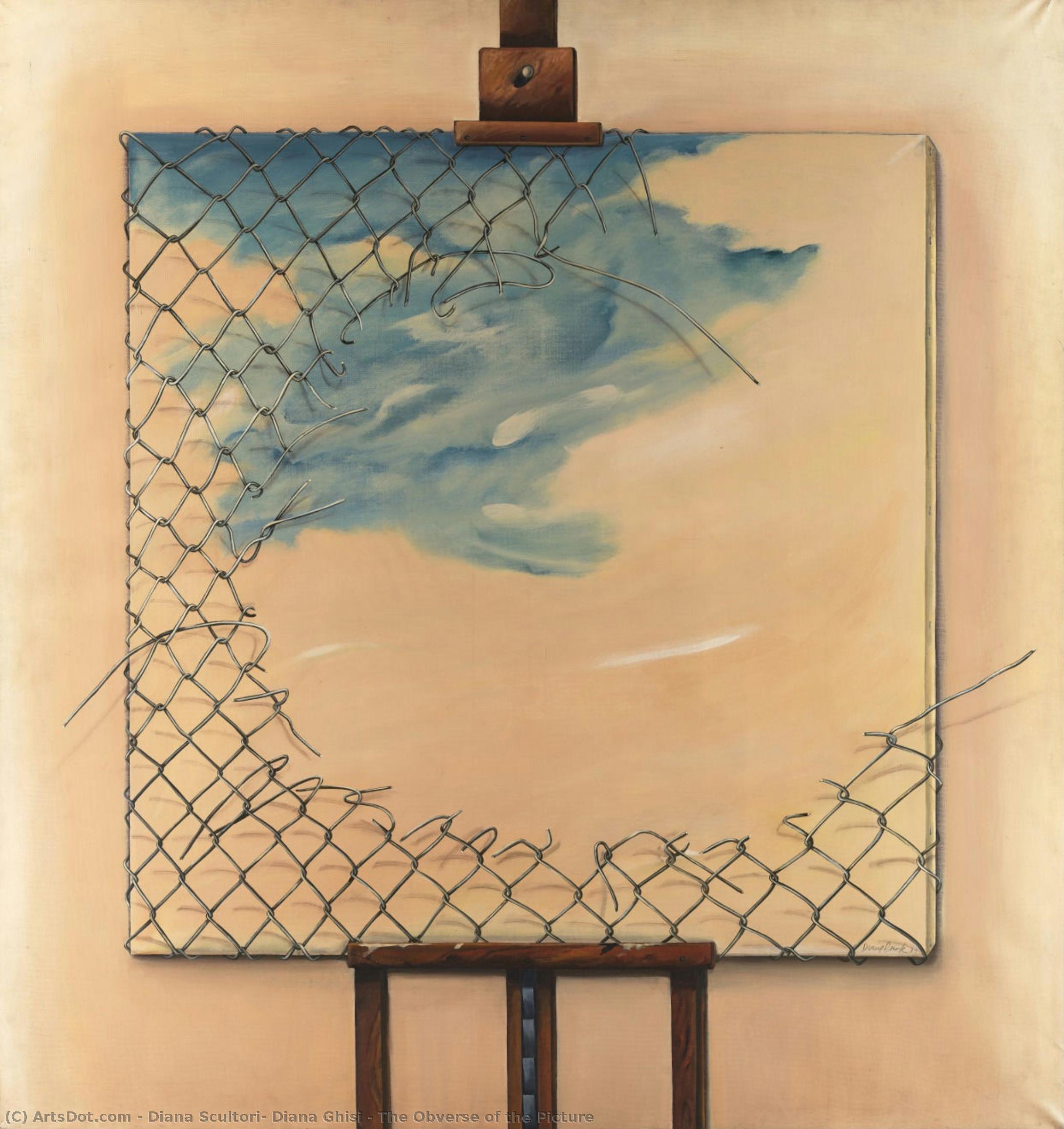
The Obverse of the Picture
 Oil On Canvas
- WallArt
- Surrealism
 1976
1976- Modern
 158.0 x 148.0 cm
 Buenos Aires Museum of Modern Art
 Read More
Purchase a high-resolution, enhanced digital image, far superior to the online preview.
Each file is meticulously prepared by our in-house specialists using advanced tools and expert manual retouching. We ensure every image has exceptional clarity, precise color accuracy, and fine detail.
The final file is delivered via email within 72 hours, optimized for immediate use in professional, editorial, and print environments. This is the same quality trusted by top-tier design studios, publishers, and galleries.
Digital Image
Download a high-resolution file for personal display, printing, and creative projects. ( Buy Print Buy Hand Made Painting)
Included in Every Digital Image Order
Expert Digital Delivery, Guaranteed
When you choose ArtsDot.com, you're not just getting an image - you're receiving a professionally enhanced digital artwork, crafted with precision and backed by a satisfaction guarantee. Here's everything that comes with your order, automatically:

Fast Email Delivery
Your high-resolution digital image file will be emailed to you within 72 hours of ordering - ready for immediate use.

AI-Enhanced Digital File
Your artwork is professionally optimized using advanced AI tools and manual editing, ensuring maximum detail, clarity, and color accuracy.

Free Lifetime Re-Delivery
Accidentally deleted or lost your file? No worries - we'll resend it to you anytime, free of charge.

No Import Fees - Ever
Enjoy your artwork instantly with zero customs, duties, or delivery fees - digital downloads are always tax-free.

Color Accuracy Guarantee
We ensure your digital image reflects the original colors as closely as possible using professional tools and color management.

100-Day Satisfaction Guarantee
If you're not satisfied with your digital image, we'll revise it or refund 100% within 100 days - no questions asked.

100% Money-Back Guarantee
Not satisfied? Get a full refund within 100 days of receiving your digital file - no questions asked.

Bulk Order Discounts
Buy 3 images, save 10% - Buy 5, save 15% - Buy 10+, save 20%. Great for creative projects, galleries, and agencies.
A Poetic Encounter with the Unfinished
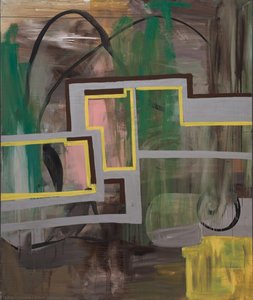
In the quiet, contemplative realm of The Obverse of the Picture, the viewer is invited into a space where reality and imagination blur into a singular, melancholic dream. Created in 1976, this evocative work presents a scene that feels both intimate and profoundly vast. At its heart lies an unfinished canvas, a window into a sky filled with soft, drifting clouds, yet this window is not entirely accessible. A chain-link fence stands as a stark, physical barrier in the foreground, slicing through the viewer's connection to the painted heavens. This juxtaposition of the tangible, metallic grid and the ethereal, painted atmosphere creates a tension that is both unsettling and deeply moving, capturing a moment of suspended animation where the act of creation meets the reality of limitation.
The technique employed in this piece speaks to a masterful command of oil on canvas, utilizing brushstrokes that are visible enough to lend texture but blended with such grace that they achieve a soft, atmospheric glow. The lighting is diffused and even, casting no harsh shadows, which contributes to the painting's surreal, dreamlike quality. This subtle approach to light allows the muted palette—dominated by earthy beiges, serene blues, and luminous whites—to breathe, creating a sense of stillness. For the collector or interior designer, this piece offers a sophisticated tonal balance, making it an ideal centerpiece for spaces designed for reflection, such as a study, a library, or a minimalist gallery setting where subtle textures can shine.
Symbolism and the Architecture of Longing
Beyond its visual beauty, The Obverse of the Picture serves as a profound meditation on the nature of human endeavor and the obstacles we encounter. The symbolism within the composition is layered and deeply resonant. The chain-link fence acts as a powerful metaphor for the boundaries—social, psychological, or physical—that separate us from our highest aspirations. It represents the frustration of the "almost reached," the barrier between the observer and the ideal. Yet, there is a flicker of hope woven into this struggle; thin blue wires are seen stretching across the gaps in the fence, seemingly attempting to bridge the divide and complete the sky. These delicate threads symbolize the persistent human impulse to mend what is broken and to find ways to transcend our limitations.
The unfinished state of the painting itself serves as a poignant symbol of unrealized potential and the eternal nature of the creative process. It suggests that beauty often resides in the incomplete, in the "becoming" rather than the "being." This theme of longing and the pursuit of perfection resonates with anyone who has ever felt the weight of an interrupted dream or the drive to overcome a hurdle. As a high-quality reproduction, this artwork brings more than just aesthetic value to a room; it brings a narrative of resilience and a quiet, intellectual depth that invites long periods of contemplation and emotional engagement.
Related Artworks



![Untitled (rome [wall]) (1961) — Cy Twombly, Abstract Expressionism](/media/artworks/images-thumb/02/29/022976d5294bf560184bd33a69805420.jpg)
Artist Biography
A Pioneer in the Shadows of Mantua
In the vibrant, Mannerist heart of late Renaissance Italy, a singular talent emerged from the storied workshops of Mantua to claim her place in the annals of art history. Diana Scultori, known variously as Diana Ghisi and Diana Mantuana, was far more than a mere participant in the artistic currents of her time; she was a trailblazer. Born around 1547 into a lineage of profound creative depth, Diana was the daughter of the esteemed sculptor and engraver Giovanni Battista Scultori. This familial immersion provided her with an education that was both technical and spiritual, as she learned to navigate the delicate interplay of light and line under the watchful eyes of her father and her elder brother, Adamo Scultori. Her early training was steeped in the meticulous precision required for printmaking, a discipline where every stroke of the burin carries the weight of permanence.
The atmosphere of Mantua during Diana’s formative years was one of dramatic elegance and stylized complexity. Influenced by the towering legacies of Giulio Romano and the grace of Raphael, her aesthetic sensibilities were shaped by the very essence of Mannerism. This period demanded an artist capable of capturing movement, tension, and a certain idealized beauty—qualities that Diana would master through her reproductive engravings. Her ability to translate the grand scale of painting into the intimate, tactile medium of print allowed her to bridge the gap between the monumental and the portable, bringing the masterpieces of her era to a wider, more diverse audience.
The Roman Ascent and Professional Mastery
As her artistry matured, Diana’s journey led her away from the familiar environs of Mantua toward the bustling, intellectual epicenter of Rome. Her marriage in 1565 to the architect Francesco da Volterra, also known as Capriani, served as a pivotal moment in her professional trajectory. Rather than retreating into the domestic sphere, Diana utilized her presence in Rome to actively engage with the most prestigious artistic circles of the age. She was not merely a companion to her husband’s architectural ambitions but a formidable force in her own right, possessing a keen understanding of the burgeoning art market and the importance of professional branding.
One of her most significant achievements was the attainment of a Papal Privilege on June 5, 1575. This rare and prestigious legal protection granted her the exclusive right to produce and market her own works, a testament to her recognized skill and her status as an independent professional. In an era where female agency was often circumscribed, Diana navigated the complexities of commerce and reputation with remarkable sophistication. She understood the power of the signature and the strategic use of dedications, ensuring that her name—and the names of those she honored—were etched into the cultural consciousness of Europe.
A Legacy Etched in Silver and Ink
The breadth of Diana Scultori’s oeuvre is characterized by a profound reverence for classical antiquity and the High Renaissance. Her engravings often served as windows into the past, reproducing the divine compositions of Raphael and the muscular dynamism of Roman sculpture. Through her work, the grandeur of ancient forms was preserved and disseminated, rendered with a delicate touch that honored the original inspiration while showcasing her unique technical prowess. Her mastery lay in the ability to use fine lines to suggest volume, texture, and the subtle gradations of shadow, creating a sense of depth that breathed life into the cold metal of the plate.
Today, Diana Scultori is remembered not only for the beauty of her prints but as a symbol of resilience and innovation. Her historical significance rests upon several pillars:
- Pioneering Status: She stands as one of the earliest documented women printmakers, breaking through the gendered barriers of the Renaissance workshop system.
- Technical Excellence: Her work exemplifies the height of Mannerist engraving, characterized by precision, elegance, and a sophisticated command of line.
- Cultural Preservation: Through her reproductive engravings, she played a vital role in the dissemination of the works of Raphael and Giulio Romano, helping to sustain their influence across generations.
- Professional Autonomy: Her success in securing a Papal Privilege highlights her role as a self-sufficient entrepreneur within the competitive Roman art scene.
Though centuries have passed since she breathed her last in 1612, the marks left by Diana’s burin remain indelible. Her life remains a testament to the power of artistic lineage transformed into individual brilliance, and her prints continue to offer a window into the soul of the Italian Renaissance.

diana scultori, diana ghisi
1547 - 1612 , Italy
Quick Facts
- Artistic Movement Or Style: Mannerism
- Artists Or Movements Influenced By This Artist:
- Raphael
- Giulio Romano
- Artists Who Influenced This Artist:
- Giovanni Battista Scultori
- Adamo Scultori
- Date Of Birth: ca. 1547
- Date Of Death: 1612
- Full Name: Diana Scultori
- Nationality: Italian
- Notable Artworks: ['The Obverse of the Picture']
- Place Of Birth: Mantova, Italy