

 Send
Send Share
Share
 Details

 Download
 Similars
 Diaporama
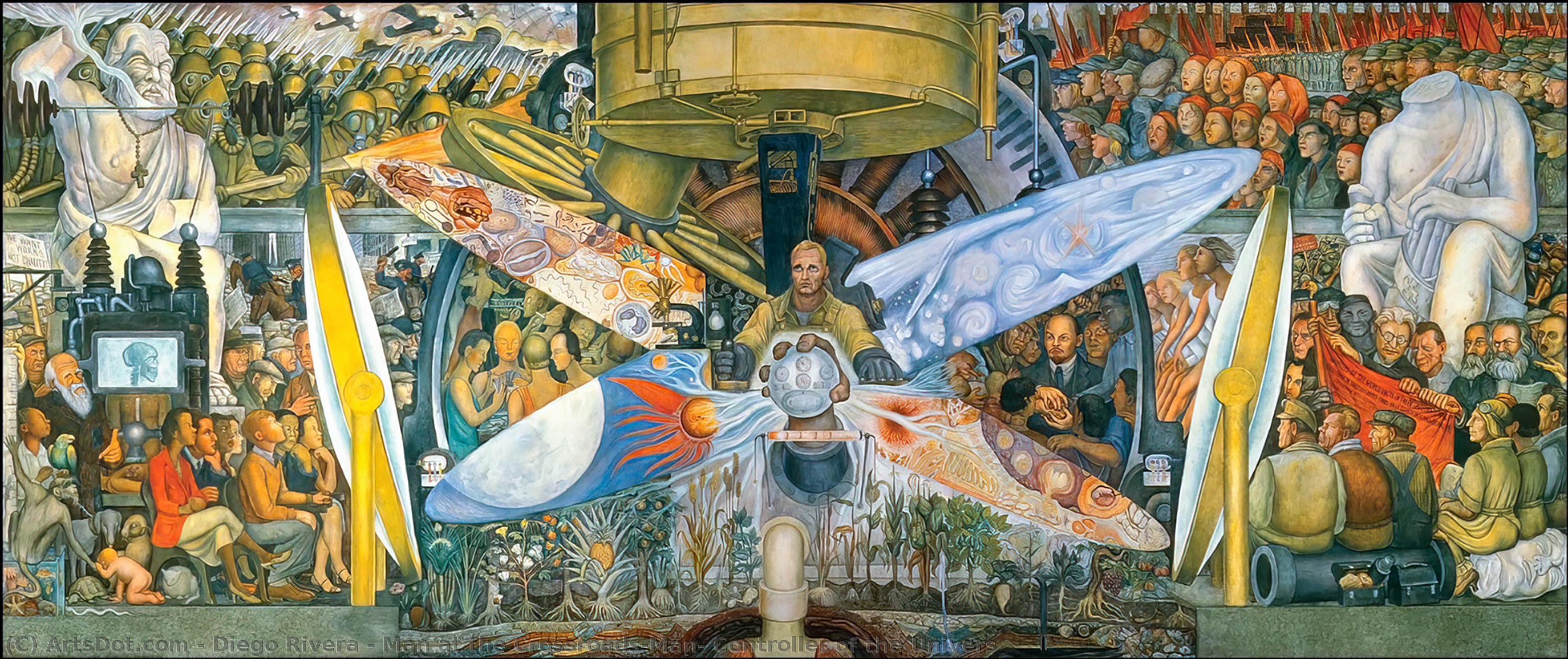
Man at the Crossroads/Man, Controller of the Univers


 Read More
Purchase a high-resolution, enhanced digital image, far superior to the online preview.
Each file is meticulously prepared by our in-house specialists using advanced tools and expert manual retouching. We ensure every image has exceptional clarity, precise color accuracy, and fine detail.
The final file is delivered via email within 72 hours, optimized for immediate use in professional, editorial, and print environments. This is the same quality trusted by top-tier design studios, publishers, and galleries.
Digital Image
Download a high-resolution file for personal display, printing, and creative projects. ( Buy Print Buy Hand Made Painting)
Included in Every Digital Image Order
Expert Digital Delivery, Guaranteed
When you choose ArtsDot.com, you're not just getting an image - you're receiving a professionally enhanced digital artwork, crafted with precision and backed by a satisfaction guarantee. Here's everything that comes with your order, automatically:

Fast Email Delivery
Your high-resolution digital image file will be emailed to you within 72 hours of ordering - ready for immediate use.

AI-Enhanced Digital File
Your artwork is professionally optimized using advanced AI tools and manual editing, ensuring maximum detail, clarity, and color accuracy.

Free Lifetime Re-Delivery
Accidentally deleted or lost your file? No worries - we'll resend it to you anytime, free of charge.

No Import Fees - Ever
Enjoy your artwork instantly with zero customs, duties, or delivery fees - digital downloads are always tax-free.

Color Accuracy Guarantee
We ensure your digital image reflects the original colors as closely as possible using professional tools and color management.

60-Day Satisfaction Guarantee
If you're not satisfied with your digital image, we'll revise it or refund 100% within 60 days - no questions asked.

100% Money-Back Guarantee
Not satisfied? Get a full refund within 60 days of receiving your digital file - no questions asked.

Bulk Order Discounts
Buy 3 images, save 10% - Buy 5, save 15% - Buy 10+, save 20%. Great for creative projects, galleries, and agencies.
Collectible Description
A Monumental Vision of Progress & Conflict
Created in 1934 by Mexican master Diego Rivera, this powerful fresco is more than just an artwork; it’s a visual manifesto reflecting the anxieties and aspirations of a rapidly changing world. Originally commissioned for Rockefeller Center in New York City (and later destroyed due to its controversial content), this work exists today through detailed photographic records and serves as a cornerstone of 20th-century art history.
Social Realism & Muralist Innovation
Rivera’s style is deeply rooted in Social Realism, characterized by its commitment to depicting the lives and struggles of ordinary people. However, he transcends simple representation through a dynamic composition and fantastical elements. As a leading figure in the Mexican Mural Movement, Rivera aimed to create art that was accessible to all, moving it from exclusive galleries into public spaces. This monumental work embodies that ethos, employing fresco – a technique where pigments are applied directly to wet plaster – ensuring its longevity and integration with the architectural surface.
Decoding a Complex Narrative
The artwork presents a densely populated scene centered around a scientist-like figure manipulating forces amidst machinery and organic forms. This central image is flanked by contrasting scenes: classical figures representing history and tradition on one side, and a multitude of faces – observing, judging, or perhaps simply witnessing – on the other. The composition isn’t about linear perspective; instead, it utilizes flattened planes typical of mural painting, layering elements to create a sense of overwhelming scale and immediacy.
Symbolism & Historical Context
This piece is rife with symbolism. The interplay between technology (gears, pistons) and nature (plants, vines) speaks to the complex relationship between humanity’s progress and the natural world. The central figure embodies both scientific advancement *and* potential destructive power – a prescient commentary on the atomic age that was looming. Created during the Great Depression, the mural also reflects anxieties about industrialization, labor, and societal control. Its initial commission (and subsequent destruction) at Rockefeller Center highlights the tensions between artistic expression and capitalist interests.
Emotional Resonance & Interior Impact
The artwork evokes a sense of both awe and unease. The sheer density of imagery demands attention, while the somber color palette – dominated by ochres, browns, greens, and grays – creates a weighty atmosphere. A high-quality reproduction of this mural will serve as a striking focal point in any space, sparking conversation and inviting contemplation. Its monumental scale (even in reproduction) lends itself to large living areas, libraries, or offices, adding depth, historical significance, and intellectual gravitas to the interior design.
Owning a reproduction of this iconic work is not merely acquiring a beautiful image; it’s embracing a powerful statement about art, history, and the human condition.
Related Artworks
Artist Biography
Early Life and Artistic Awakening
Diego Rivera, born Diego María de la Concepción Juan Nepomuceno Estanislao de la Rivera y Barrientos Acosta y Rodríguez in Guanajuato, Mexico, on December 8, 1886, entered a world already imbued with artistic sensibility. From the tender age of three, an undeniable fascination with art blossomed within him, nurtured by parents who recognized and encouraged his burgeoning talent. His early years were marked by a formal education at the Academy of San Carlos in Mexico City, where he diligently honed his skills in traditional painting and sculpture. A pivotal moment arrived in 1907 when Teodoro A. dehesa Méndez generously sponsored Rivera’s studies abroad, launching him into the heart of Europe's artistic ferment.
His initial sojourn took him to Madrid, Spain, where he studied under Eduardo Chicharro, absorbing the tenets of Realism. However, it was Paris that truly ignited his creative evolution. Immersed in the vibrant Montparnasse community, Rivera encountered a kaleidoscope of artistic perspectives, most notably the revolutionary principles of Cubism after 1912. The influence of Pablo Picasso and Georges Seurat became palpable in his work, as he began to deconstruct forms and explore intersecting planes—a departure from traditional representation that would define a significant phase of his artistic journey.
The Return to Mexico and the Mural Renaissance
A profound shift occurred in 1921 when Rivera returned to his homeland, a nation grappling with the aftermath of revolution. This homecoming wasn’t merely a geographical relocation; it was an ideological awakening. He became a central figure in the burgeoning Mexican Mural Movement, a powerful artistic response to the social and political upheaval of the time. The movement aimed to democratize art, bringing it out of elite circles and into public spaces accessible to all citizens.
Rivera’s murals weren't simply decorative; they were potent narratives of Mexican history, culture, and societal struggles. His early masterpieces, such as “Creation” (1922), showcased his innovative use of encaustic technique, while the monumental works at the Secretaría de Educación Pública in Mexico City revealed a distinctive style characterized by large, simplified figures and bold colors—a deliberate homage to Aztec art and pre-Columbian aesthetics. These murals weren’t just paintings; they were visual manifestos, proclaiming a new national identity forged from its indigenous roots and revolutionary spirit.
A Style Forged in Social Consciousness
Diego Rivera's artistic style is instantly recognizable—a monumental scale that commands attention, simplified forms that convey powerful messages, vibrant colors that evoke the richness of Mexican culture, and an unwavering focus on social and historical narratives. His work wasn’t confined to aesthetic concerns; it was deeply intertwined with his political beliefs, particularly his Marxist convictions.
The “Dreams of a Sunday in the Alameda” is perhaps one of his most iconic works, though also controversial for its depiction of atheism. The Detroit Industry Murals (1933), commissioned for the Detroit Institute of Arts, stand as a testament to his ability to capture the dynamism and complexity of industrial life, portraying both the power of machinery and the dignity of the workers who operated it. He seamlessly blended elements of Mexican folk art with pre-Columbian imagery, creating a visual language that was uniquely his own—a powerful synthesis of tradition and modernity.
Legacy and Enduring Influence
Diego Rivera’s impact on 20th-century art is immeasurable. He isn't merely remembered as one of Mexico’s most important artists, but as a global icon whose work continues to resonate with audiences today. His murals are not just artistic achievements; they are significant examples of social realism and public art—powerful statements about the human condition and the struggle for social justice.
He played a pivotal role in establishing Mexican Muralism as an influential artistic movement, inspiring generations of artists to use their work as a vehicle for social commentary. His personal life, particularly his passionate and often tumultuous relationship with Frida Kahlo, has further cemented his place in popular culture, adding another layer of intrigue to his already captivating legacy.
Rivera’s commitment to portraying the lives and struggles of ordinary people, combined with his innovative artistic techniques, ensures that his work will continue to inspire and provoke thought for generations to come. He left behind a body of work that is not only visually stunning but also deeply meaningful—a testament to the power of art to shape our understanding of history, culture, and ourselves.
Notable Works
- Creation (1922): His first significant mural, utilizing the encaustic technique.
- Dreams of a Sunday in the Alameda: A controversial piece known for its depiction of atheism and historical figures.
- Secretaría de Educación Pública Murals: Showcasing his unique style with large, simplified forms and vibrant colors influenced by Aztec art.
- Detroit Industry Murals (1933): Commissioned for the Detroit Institute of Arts, depicting industrial processes and workers.
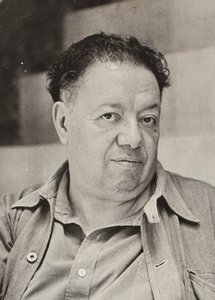
Diego Rivera
1886 - 1957 , Mexico
Quick Facts
- Artistic Movement Or Style: Mexican Muralism, Cubism
- Artists Or Movements Influenced By This Artist: ['Mexican Muralism']
- Artists Who Influenced This Artist:
- Pablo Picasso
- Georges Seurat
- Date Of Birth: December 8, 1886
- Date Of Death: November 24, 1957
- Full Name: Diego Rivera
- Nationality: Mexican
- Notable Artworks:
- Creation
- Detroit Industry Murals
- Dreams of a Sunday in Alameda
- Place Of Birth: Guanajuato, Mexico

