 Preview
 Send
Send Share
Share
 Details

 Download
 Similars
 X-Ray
X-Ray Diaporama
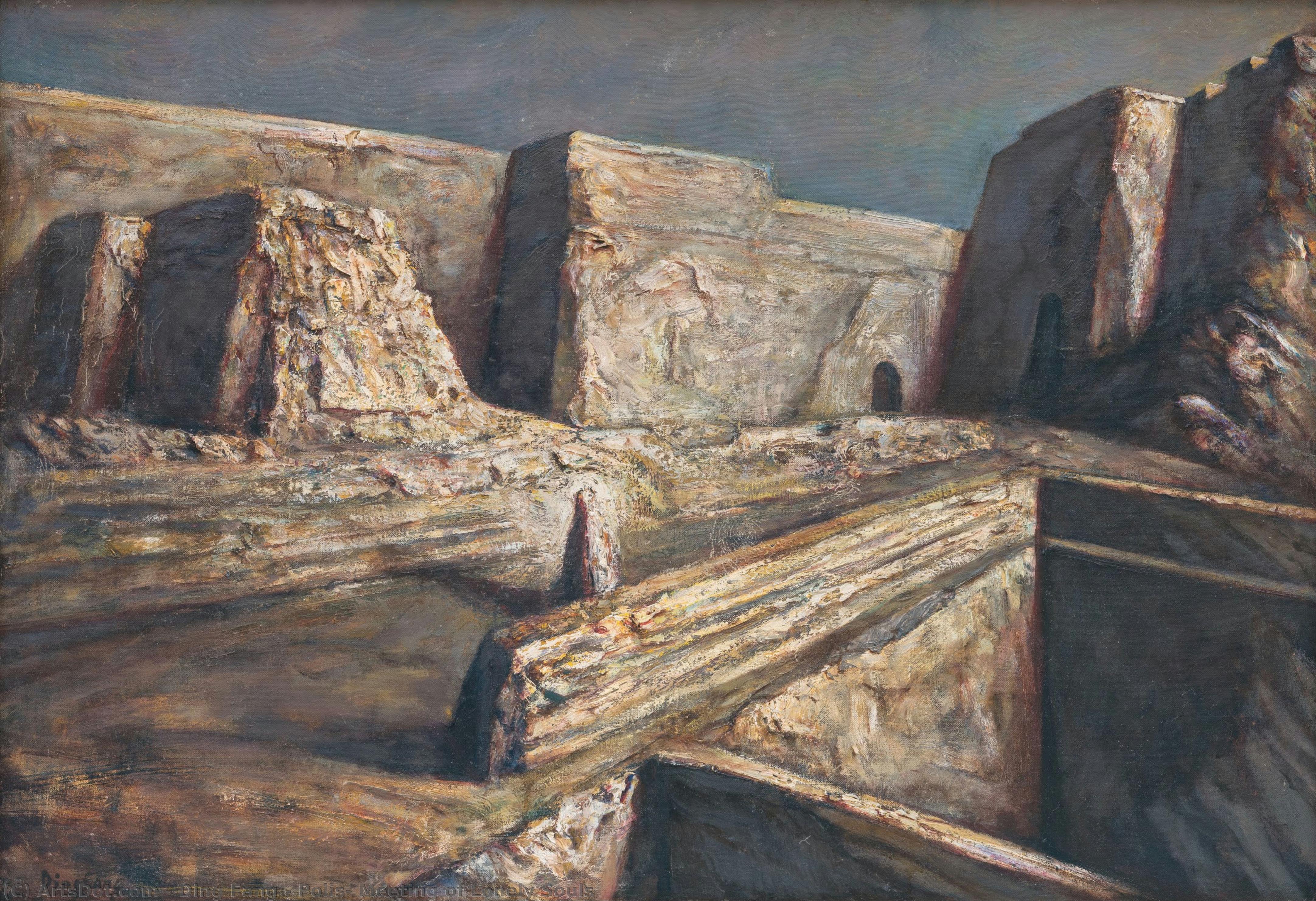
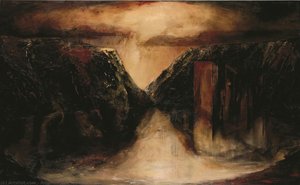
Polis: Meeting of Lonely Souls

 Read More
Giclée / Art Print
Museum-quality giclée or canvas print with fast production and flexible finish options. ( Buy Hand Made Painting Buy Image)




































Pick from our preset sizes that match the artwork's original proportions.

You may enter your own dimensions to fit a specific frame or space. If your selected size does not match the original image's proportions, we will either crop the artwork or extend the image with a mirrored or solid-fill edge. A digital mockup will be sent for your approval before production begins.
Please note that the on-screen preview does not reflect the actual cropping or extension. Only the mockup will accurately show the final composition.
While custom sizes are available, we recommend selecting a dimension from the predefined list to preserve the original proportions.
Worldwide Delivery () in 2 weeks instead of standard 4/5 weeks. (26 August)

Free Worldwide Express Shipping

High-Quality Linen Canvas

Full Shipping Insurance

Customs Tax Refund Guarantee

True Color Matching Guarantee

60-Day Return Policy (Defects Only)

100% Money-Back Guarantee

Bulk Discount Offer
 Glass option is only available in size under 110 CM

Polis: Meeting of Lonely Souls
Giclée / Art Print
Reproduction Size
-


Total Price
$ 63
Related Artworks



Artist Biography
Ding Fang: A Painter's Journey Through Solitude and Transcendence
Ding Fang (丁方), born in Wugong County, Shaanxi Province, China in 1956, is a Chinese painter recognized for his distinctive avant-garde style—characterized by monumental canvases imbued with profound explorations of solitude, identity, and the sublime. His artistic trajectory reflects both personal introspection and engagement with broader cultural currents, notably the legacy of Mao Zedong’s Cultural Revolution and its impact on artistic expression.- Early Years & Education: Fang's formative years were marked by a grounding in traditional Chinese painting techniques at Nanjing Fine Arts Academy (1986), where he honed his skills under the mentorship of Su Tianci, a prominent figure in contemporary Chinese art. This foundational training instilled in him an appreciation for meticulous observation and masterful brushwork—elements that would permeate his subsequent artistic endeavors.
- The Red Brigade Group & Initial Exhibitions: Following graduation, Fang joined forces with fellow artists Yang Zhilun, Xu Lei, Chai Xiaogang, and Xu Yihui to establish the “Red Brigade” group in Nanjing. This collective’s debut exhibition in 1987 signaled a bold departure from prevailing artistic conventions—a conscious rejection of ideological dogma and an embrace of subjective experience.
- Exploring Landscape & Spirituality: Fang's artistic vision found its impetus in encounters with the desolate beauty of Tibet and the rugged landscapes of northern China. Inspired by Nietzsche’s concept of “amor fati” – love of fate—he sought to capture not merely visual impressions but also a deeper metaphysical resonance, reflecting on themes of existential angst and transcendence.
- Major Exhibitions & Recognition: Fang's work gained international acclaim through participation in biennials like Venice (2003) and Beijing (2005), cementing his position as one of China’s leading contemporary artists. Notably, his retrospective at the National Art Museum of China in 2002 garnered critical recognition for its ambitious scope and stylistic innovation.
- Recent Developments & Artistic Philosophy: More recently, Fang has focused on reworking Renaissance portraits—a deliberate effort to engage with Western artistic tradition while simultaneously interrogating notions of beauty and grace. His paintings are characterized by a meticulous layering of textures and colors, conveying an inner stillness that speaks to the artist’s profound contemplation of human experience.
The Influence of Nietzsche & The Cultural Revolution
Fang's artistic philosophy is deeply rooted in the existentialist thought of Friedrich Nietzsche—specifically his concept of “amor fati,” or love of fate. This perspective informs his approach to landscape painting, where he strives not simply to depict physical reality but to capture a sense of sublime beauty that transcends mere visual perception. Simultaneously, Fang’s artistic journey was profoundly shaped by the turbulent era of Mao Zedong's Cultural Revolution (1966-1976). The pervasive ideological fervor demanded conformity and stifled creative expression—a constraint that compelled Fang to seek solace in solitude and to explore alternative avenues for conveying emotion and meaning. He famously remarked, “Dark colours were considered incorrect,” highlighting the repressive atmosphere of the time and its impact on artistic sensibilities.Notable Works & Artistic Style
Ding Fang’s oeuvre is distinguished by monumental canvases—often exceeding two meters in height—that employ a technique known as *xuan* art paper and acrylic pigments. His paintings are characterized by thick impasto textures, creating palpable surfaces that invite tactile engagement. Recurring motifs include desolate landscapes—particularly those reminiscent of Tibet—and portraits reimagined through the lens of Renaissance aesthetics. Fang’s stylistic innovations reflect his commitment to pushing boundaries and challenging conventional artistic norms. The artist's exploration of solitude is evident in many of his works, where figures are often rendered alone against expansive backgrounds—a deliberate gesture toward confronting existential questions.Critical Reception & Artistic Legacy
Ding Fang’s work has been lauded by critics for its intellectual depth and emotional resonance. His retrospective at the National Art Museum of China was hailed as a landmark achievement in contemporary Chinese art, establishing him as a pivotal voice within the avant-garde movement. Furthermore, his engagement with Western artistic traditions—particularly Renaissance portraiture—demonstrates a willingness to dialogue across cultural divides and to reinterpret canonical images through a distinctly personal perspective. Fang’s enduring legacy lies in his unwavering pursuit of artistic integrity—a steadfast refusal to compromise on creative vision amidst pressures for conformity—and in his ability to convey profound meditations on human existence through powerfully evocative paintings.
Ding Fang
1956 - , China
Quick Facts
- Artistic Movement Or Style: Avant-garde
- Artists Or Movements Influenced By This Artist: ['Christian Art']
- Artists Who Influenced This Artist: ['Su Tianci']
- Date Of Birth: 1956
- Full Name: Ding Fang
- Nationality: Chinese
- Notable Artworks:
- Angel of the Fortress
- Ode to Light
- Place Of Birth: Wugong County, China