 Preview
 Send
Send Share
Share
 Details

 Download
 Similars
 X-Ray
X-Ray Diaporama
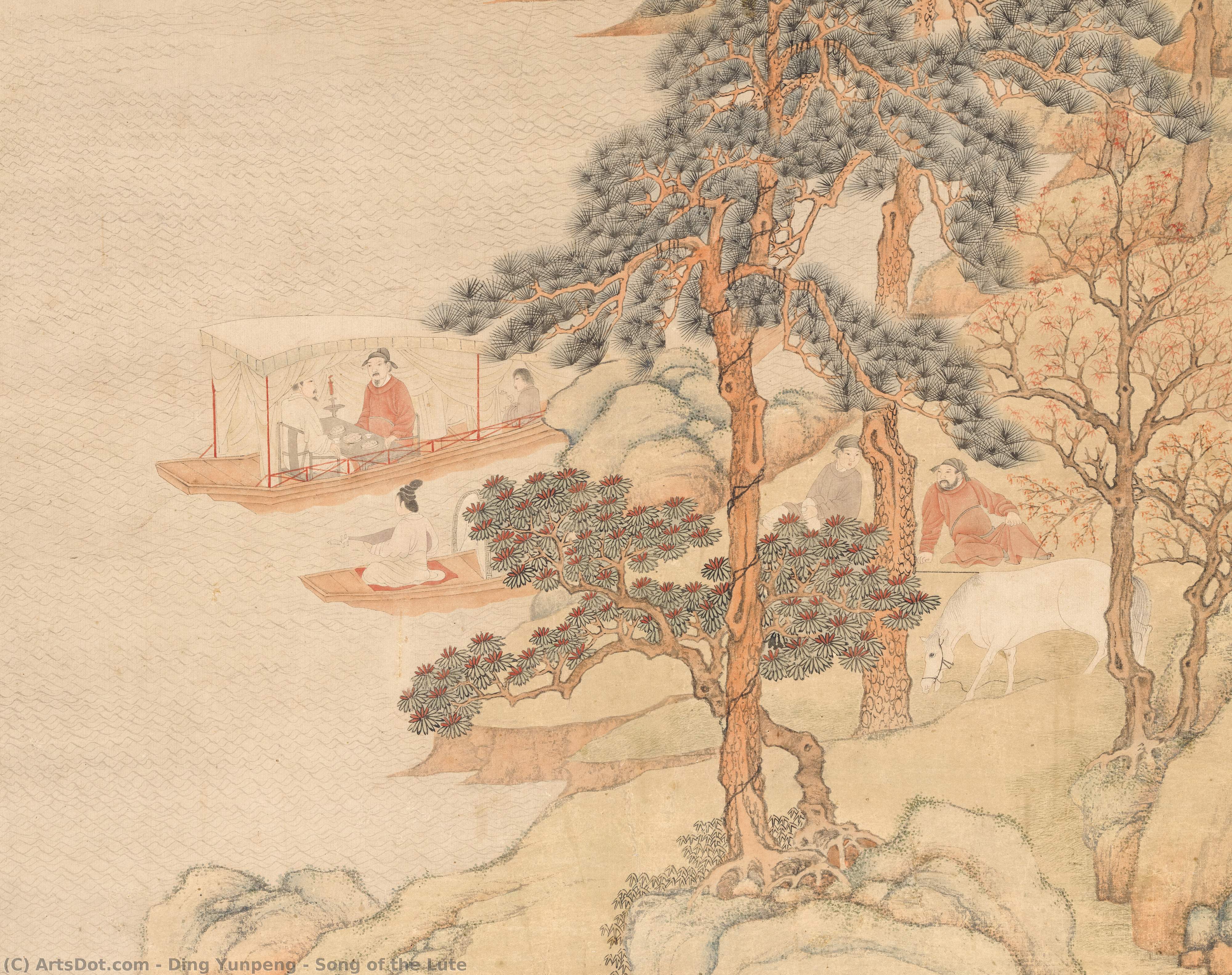
Song of the Lute
 1585
1585 141.0 x 46.0 cm
 Read More
Giclée / Art Print
Museum-quality giclée or canvas print with fast production and flexible finish options. ( Buy Hand Made Painting Buy Image)




































Pick from our preset sizes that match the artwork's original proportions.

You may enter your own dimensions to fit a specific frame or space. If your selected size does not match the original image's proportions, we will either crop the artwork or extend the image with a mirrored or solid-fill edge. A digital mockup will be sent for your approval before production begins.
Please note that the on-screen preview does not reflect the actual cropping or extension. Only the mockup will accurately show the final composition.
While custom sizes are available, we recommend selecting a dimension from the predefined list to preserve the original proportions.
Worldwide Delivery () in 2 weeks instead of standard 4/5 weeks. (22 August)

Free Worldwide Express Shipping

High-Quality Linen Canvas

Full Shipping Insurance

Customs Tax Refund Guarantee

True Color Matching Guarantee

60-Day Return Policy (Defects Only)

100% Money-Back Guarantee

Bulk Discount Offer
 Glass option is only available in size under 110 CM

Song of the Lute
Giclée / Art Print
Reproduction Size
-


Total Price
$ 63
Collectible Description
Related Artworks




Artist Biography
Ding Yunpeng: Weaver of Serene Landscapes and Human Figures
Ding Yunpeng, a pivotal figure in Ming Dynasty painting (c. 1547 – 1628), stands as a master of capturing the quiet dignity of human subjects within evocative landscapes. Born in Xiuning, Anhui province, his artistic journey was deeply rooted in the traditions of the Wu School and profoundly influenced by the subtle elegance of Qiu Ying, a renowned painter of the Song Dynasty. Yunpeng’s legacy isn't defined by grand narratives or revolutionary styles; rather, it resides in his ability to imbue each brushstroke with a profound sense of peace and observation – a hallmark that continues to resonate with viewers today. His work offers a glimpse into a world where nature and humanity coexist in harmonious balance, reflecting the literati ideals prevalent during his era.Early Life and Artistic Training
Yunpeng’s early life was shaped by his father's profession as a physician, an occupation that fostered a contemplative spirit and provided access to a refined cultural environment. Crucially, he spent formative years in the vibrant artistic hubs of Suzhou and Songjiang, immersing himself in the techniques and philosophies of established painters. This period wasn’t merely about technical skill acquisition; it was a deliberate engagement with the prevailing aesthetic sensibilities of the time – particularly the emphasis on capturing the essence of nature and portraying human figures with understated grace. His style quickly evolved, drawing inspiration from Qiu Ying's meticulous attention to detail and his preference for depicting scenes of everyday life alongside majestic landscapes. This synthesis established a distinctive approach characterized by refined brushwork and a focus on conveying inner tranquility.The Style of Nanyu: Brushstrokes and Subject Matter
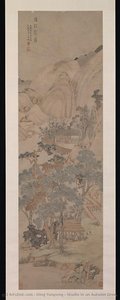
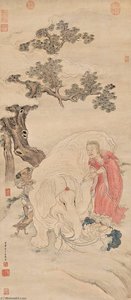
Yunpeng’s artistic style, often referred to as “Nanyu” (meaning ‘pure brush’), is immediately recognizable for its delicate yet forceful execution. He employed pure and minute brush strokes, creating a visual texture that was both incredibly detailed and remarkably restrained. This technique resulted in a distinctive look – a sense of terseness and strength—that set him apart from his contemporaries. His subjects frequently included scenes of human figures engaged in quiet contemplation within meticulously rendered landscapes. The “Lion and Barbarians” exemplifies this perfectly, depicting a group of sages and attendants surrounding a white elephant, symbolizing the pursuit of wisdom amidst worldly distractions. This theme, rooted in Buddhist iconography, speaks to the core values of the literati class – a reverence for knowledge, a detachment from material possessions, and an appreciation for the beauty of the natural world. He also produced notable works such as “Studio in an Autumn Grove,” showcasing his ability to capture the subtle nuances of light and atmosphere within a serene domestic setting.Influences and Historical Context
Yunpeng’s artistic development was inextricably linked to the tumultuous political climate of the late Ming Dynasty. The period was marked by instability, social unrest, and increasing anxieties about imperial authority. This environment fostered a shift in artistic sensibilities, moving away from overtly celebratory or propagandistic themes towards more introspective and contemplative subjects. Artists like Ding Yunpeng responded to this changing landscape by emphasizing personal reflection and seeking solace in the natural world. His work reflects a desire for harmony amidst chaos – a sentiment that resonated deeply with the literati class who valued intellectual pursuits and spiritual enlightenment. His connection to figures such as Qiu Ying and Dong Qichang highlights the continuity of artistic traditions while also demonstrating his willingness to adapt and innovate within established frameworks.Legacy and Significance
Ding Yunpeng’s contribution to Chinese painting lies not in revolutionary innovation, but in a steadfast commitment to refining existing techniques and embodying core literati values. His serene landscapes and dignified human figures offer a timeless meditation on the relationship between humanity and nature. His works are now housed in prestigious collections such as the National Palace Museum in Taipei, ensuring that his artistic legacy continues to inspire and captivate audiences worldwide. He remains a testament to the enduring power of quiet observation, subtle brushwork, and the pursuit of inner peace – qualities that continue to resonate deeply within the world of Chinese art.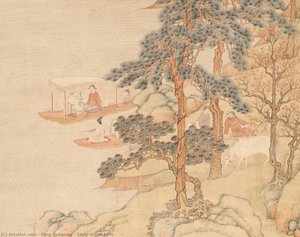
ding yunpeng
1547 - 1628
Quick Facts
- Artistic Movement Or Style: Ming Dynasty Painting
- Artists Or Movements Influenced By This Artist: ['Song Dynasty Painting']
- Artists Who Influenced This Artist: ['Qiu Ying']
- Date Of Birth: c. 1547
- Date Of Death: 1628
- Full Name: Ding Yunpeng
- Nationality: Chinese
- Notable Artworks:
- Lion & Barbarians
- Studio in an Autumn Grove
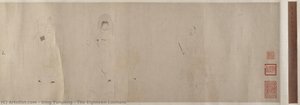
- The Eighteen Luohans
- Place Of Birth: Xiuning, Anhui, China