

 Preview
 Send
Send Share
Share
 Details

 Download
 Similars
 X-Ray
X-Ray Diaporama
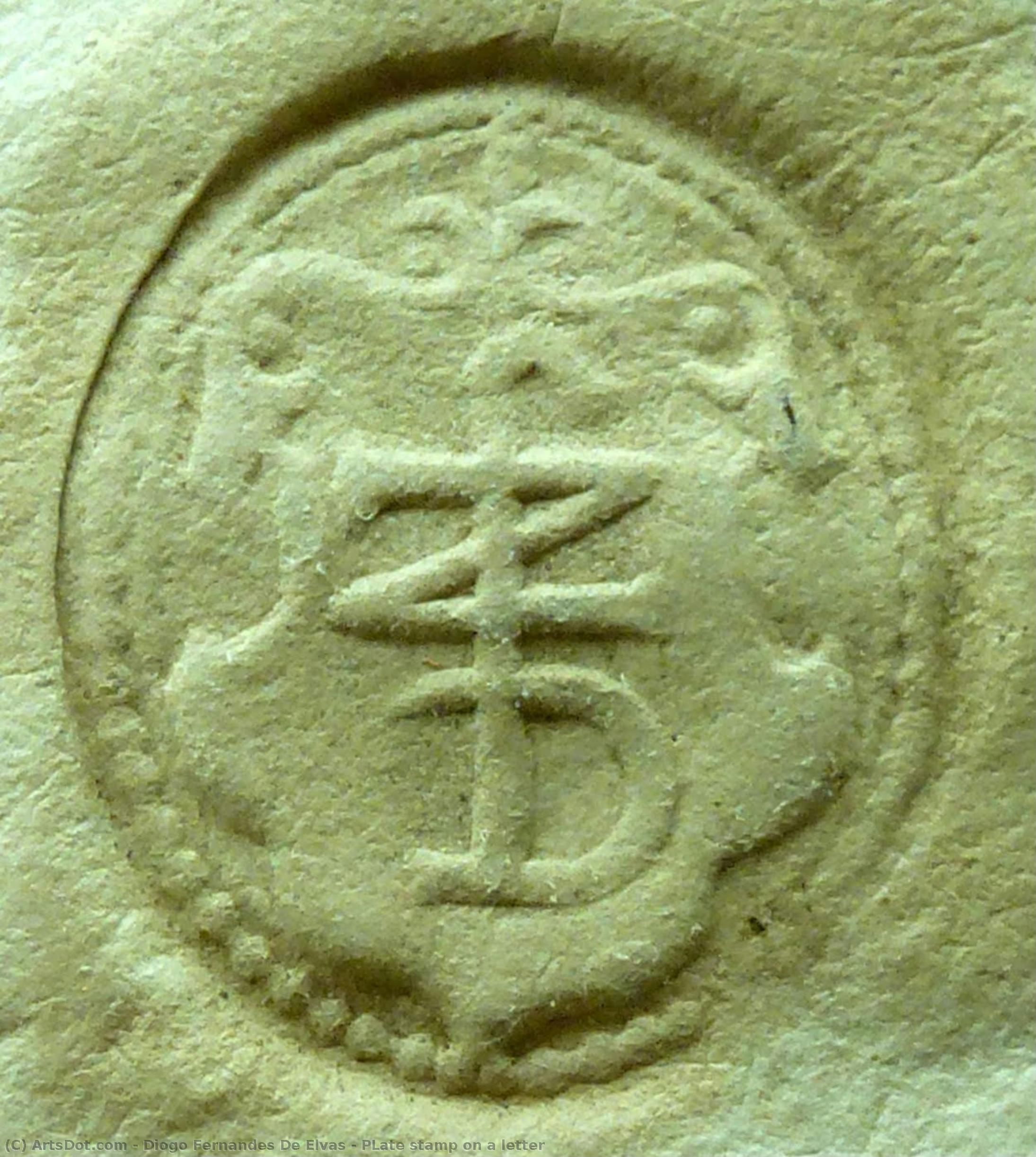
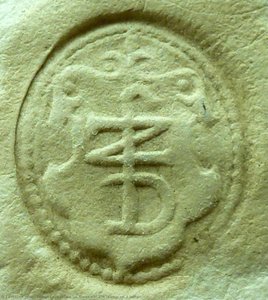
PLate stamp on a letter

 Read More
Giclée / Art Print
Museum-quality giclée or canvas print with fast production and flexible finish options. ( Buy Hand Made Painting Buy Image)




































Pick from our preset sizes that match the artwork's original proportions.

You may enter your own dimensions to fit a specific frame or space. If your selected size does not match the original image's proportions, we will either crop the artwork or extend the image with a mirrored or solid-fill edge. A digital mockup will be sent for your approval before production begins.
Please note that the on-screen preview does not reflect the actual cropping or extension. Only the mockup will accurately show the final composition.
While custom sizes are available, we recommend selecting a dimension from the predefined list to preserve the original proportions.
Worldwide Delivery () in 2 weeks instead of standard 4/5 weeks. (21 August)

Free Worldwide Express Shipping

High-Quality Linen Canvas

Full Shipping Insurance

Customs Tax Refund Guarantee

True Color Matching Guarantee

60-Day Return Policy (Defects Only)

100% Money-Back Guarantee

Bulk Discount Offer
 Glass option is only available in size under 110 CM

PLate stamp on a letter
Giclée / Art Print
Reproduction Size
-


Total Price
$ 63
Related Artworks

Artist Biography
A Glimpse into the Renaissance World of Diogo Fernandes de Elvas
The 16th century in Portugal was a period of immense artistic flourishing, a time when the nation’s maritime explorations brought wealth and new perspectives that profoundly influenced its creative output. Within this vibrant milieu lived Diogo Fernandes de Elvas, an artist whose name, though perhaps less celebrated than contemporaries like Grão Vasco, holds a significant place in understanding the evolution of Portuguese Renaissance art. Unfortunately, detailed biographical information regarding de Elvas remains scarce, shrouded in the mists of time. What we do know is gleaned primarily from surviving artworks and historical records connected to his commissions—a testament to the power of art itself as a primary source.
The Known Work: ‘Plate Stamp on a Letter’ and Beyond
Diogo Fernandes de Elvas is most prominently recognized for his creation of a ‘Plate Stamp on a Letter’. This seemingly modest work, however, offers a fascinating window into the artistic practices of the era. The plate stamp itself isn't merely a functional element; it represents a sophisticated application of engraving techniques and an attention to detail characteristic of Renaissance craftsmanship. It speaks to the importance of correspondence in 16th-century society—a vital means of communication for both personal and official matters. While this single attributed work forms the core of his known oeuvre, it’s reasonable to assume de Elvas was involved in other artistic endeavors, potentially including decorative arts or smaller commissions that have not survived or remain unattributed.
Contextualizing De Elvas: The Courtly World of John, Duke of Valencia
Research suggests a connection between Diogo Fernandes de Elvas and the court of John, Duke of Valencia de Campos, an important figure in Portuguese nobility. John was the eldest surviving son of King Peter I and Inês de Castro, and his patronage of the arts likely extended to artists like de Elvas. The Duke’s position within the royal lineage and his involvement in political affairs would have placed de Elvas at the heart of a culturally rich environment. This association provides valuable insight into the potential influences shaping de Elvas' artistic style and subject matter. The courtly atmosphere demanded refinement, elegance, and a mastery of visual representation—qualities that likely informed de Elvas’ work.
Influences and Artistic Development
Pinpointing specific artistic influences on Diogo Fernandes de Elvas is challenging given the limited scope of his known works. However, it's safe to assume he was exposed to the broader currents of Renaissance art circulating in Portugal during his lifetime. The Italian Renaissance had a profound impact on Portuguese artists, with figures like Francisco de Arruda actively importing and disseminating new ideas about perspective, anatomy, and composition. The influence of Flemish painting, particularly its meticulous realism and attention to detail, also permeated Portuguese artistic circles. De Elvas’ ‘Plate Stamp on a Letter’ exhibits a precision and clarity that suggests familiarity with these Northern European traditions. It is plausible he absorbed elements from both Italian and Flemish styles, blending them with local Portuguese sensibilities.
Legacy and Historical Significance
While Diogo Fernandes de Elvas may not be a household name, his contribution to the understanding of 16th-century Portuguese art remains significant. His work serves as a reminder that artistic production extended beyond the grand altarpieces and monumental sculptures often associated with the Renaissance. The ‘Plate Stamp on a Letter’ offers a glimpse into the everyday lives of the elite—the importance they placed on communication, their appreciation for craftsmanship, and the role art played in shaping their public image. Further research and potential discoveries may shed more light on this intriguing artist and his place within the broader narrative of Portuguese Renaissance history. His story underscores the value of preserving even seemingly minor works of art, as they often hold crucial clues to unlocking a deeper understanding of the past.
diogo fernandes de elvas
Portugal
Quick Facts
- Artistic Movement Or Style: Renaissance
- Date Of Death: Living
- Full Name: Diogo Fernandes de Elvas
- Nationality: Portuguese
- Notable Artworks: ['Plate Stamp on a Letter']
- Place Of Birth: Portugal

