

 Preview
 Send
Send Share
Share
 Details

 Download
 Similars
 X-Ray
X-Ray Diaporama
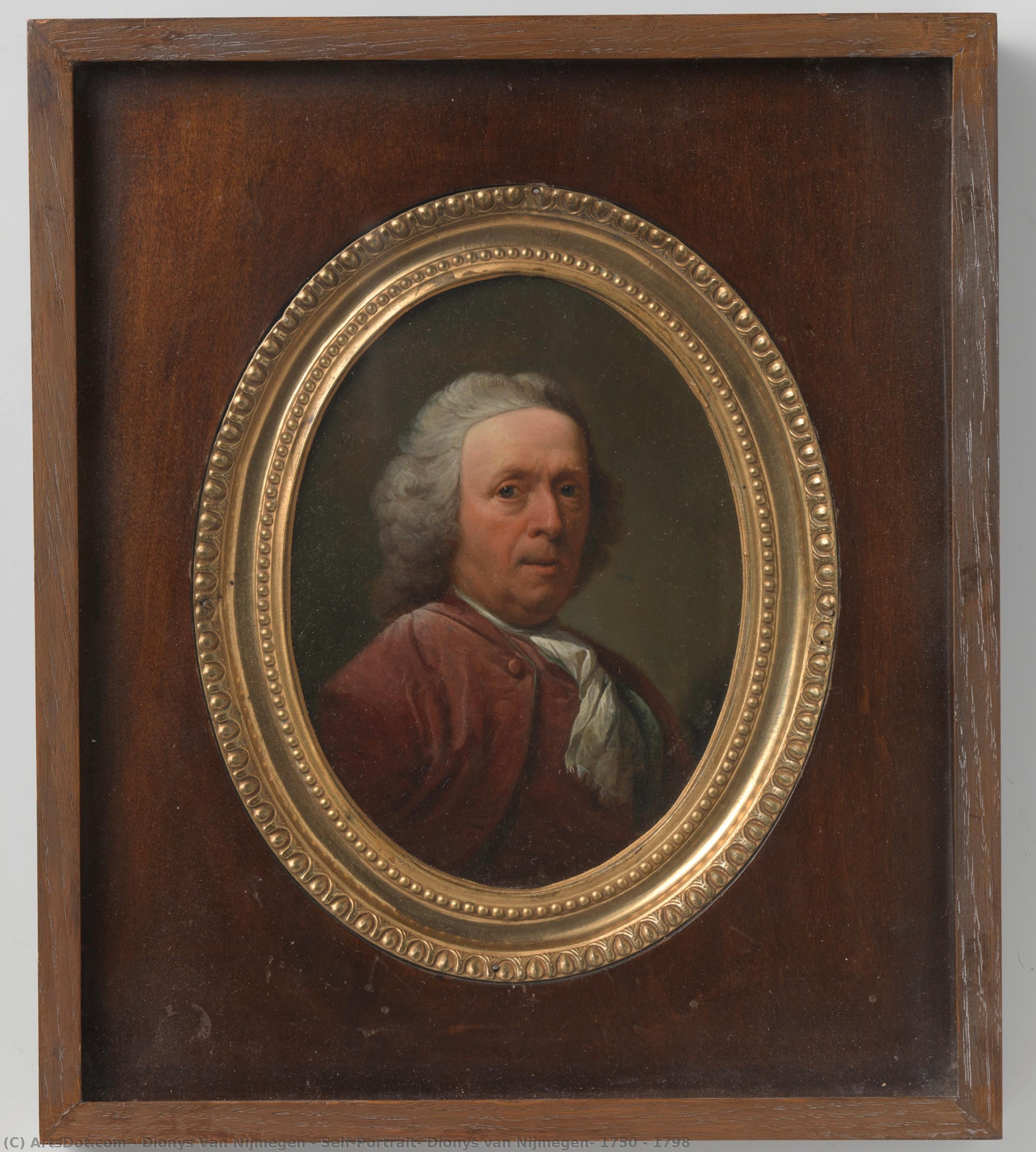
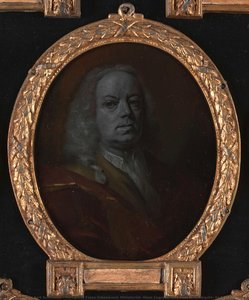
Self-Portrait, Dionys van Nijmegen, 1750 - 1798
 1798
1798 17.0 x 13.0 cm
 Read More
Purchase a high-resolution, enhanced digital image, far superior to the online preview.
Each file is meticulously prepared by our in-house specialists using advanced tools and expert manual retouching. We ensure every image has exceptional clarity, precise color accuracy, and fine detail.
The final file is delivered via email within 72 hours, optimized for immediate use in professional, editorial, and print environments. This is the same quality trusted by top-tier design studios, publishers, and galleries.
Digital Image
Download a high-resolution file for personal display, printing, and creative projects. ( Buy Print Buy Hand Made Painting)
Included in Every Digital Image Order
Expert Digital Delivery, Guaranteed
When you choose ArtsDot.com, you're not just getting an image - you're receiving a professionally enhanced digital artwork, crafted with precision and backed by a satisfaction guarantee. Here's everything that comes with your order, automatically:

Fast Email Delivery
Your high-resolution digital image file will be emailed to you within 72 hours of ordering - ready for immediate use.

AI-Enhanced Digital File
Your artwork is professionally optimized using advanced AI tools and manual editing, ensuring maximum detail, clarity, and color accuracy.

Free Lifetime Re-Delivery
Accidentally deleted or lost your file? No worries - we'll resend it to you anytime, free of charge.

No Import Fees - Ever
Enjoy your artwork instantly with zero customs, duties, or delivery fees - digital downloads are always tax-free.

Color Accuracy Guarantee
We ensure your digital image reflects the original colors as closely as possible using professional tools and color management.

60-Day Satisfaction Guarantee
If you're not satisfied with your digital image, we'll revise it or refund 100% within 60 days - no questions asked.

100% Money-Back Guarantee
Not satisfied? Get a full refund within 60 days of receiving your digital file - no questions asked.

Bulk Order Discounts
Buy 3 images, save 10% - Buy 5, save 15% - Buy 10+, save 20%. Great for creative projects, galleries, and agencies.
Related Artworks





Artist Biography
A Legacy of Decorative Flourishes: The Life and Art of Dionys van Nijmegen
Dionys van Nijmegen, a name perhaps less immediately recognizable than some of his contemporaries, nevertheless represents a significant strand in the tapestry of 18th-century Dutch painting. Born in Rotterdam in 1705 into a family deeply entrenched in artistic practice—his father, Elias van Nijmegen, being a respected painter himself—Dionys inherited not only a profession but also a keen sensibility for decorative artistry. The Van Nijmegen lineage was one of skilled artisans, and young Dionys quickly absorbed the techniques and aesthetic preferences that would define his career. His early training took place under the watchful eye of his father, Elias, who instilled in him a foundation of meticulous draftsmanship and an appreciation for vibrant color palettes. This foundational education was later supplemented by studies with Jacob de Wit, a leading figure in Dutch ceiling painting known for his elaborate mythological scenes and masterful use of perspective. De Wit’s influence proved pivotal, steering Dionys towards the grand scale and ornate detailing that would become hallmarks of his mature work.From Portraits to Palaces: A Versatile Hand
Dionys van Nijmegen's artistic output was remarkably diverse, encompassing portraits, wall decorations, ceiling paintings, and even miniature works. He became a member of the prestigious Rotterdam Guild of St. Luke in 1743, solidifying his position within the city’s thriving art community. While he demonstrated proficiency in portraiture—capturing the likenesses of local dignitaries and affluent citizens with a refined attention to detail—it was his large-scale decorative projects that truly distinguished him. He excelled at transforming interior spaces into immersive environments, adorning walls and ceilings with allegorical scenes, intricate floral motifs, and dynamic architectural illusions. These commissions often graced the homes of wealthy merchants and noble families, reflecting the prosperity and sophisticated tastes of the Dutch Golden Age’s later years. His work wasn't merely about representation; it was about creating an atmosphere—a visual symphony that enhanced the experience of living within a particular space.The Influence of Family and the Continuation of Tradition
The importance of family in Dionys van Nijmegen’s life extended beyond his initial training with his father, Elias. He actively fostered artistic talent within his own circle, most notably through his son, Gerard van Nijmegen, whom he mentored and guided. This familial dedication to craftsmanship ensured the continuation of the Van Nijmegen style—a blend of Baroque exuberance and Rococo elegance—into subsequent generations. His nephew by marriage, Gerard Sanders, also benefited from Dionys’s tutelage, further expanding the network of artists carrying forward the family legacy. The relationship between these painters wasn't simply one of teacher and student; it was a collaborative exchange of ideas and techniques, resulting in a cohesive body of work characterized by shared aesthetic principles. The fact that Elias van Nijmegen taught both his son Dionys and his nephew Gerard Sanders speaks to a deliberate effort to maintain artistic standards within the family and ensure their continued success.Historical Significance and Enduring Appeal
Dionys van Nijmegen’s work, while not always prominently featured in major art historical narratives, holds significant value as a representative example of 18th-century Dutch decorative painting. His ability to seamlessly integrate architectural elements with allegorical imagery speaks to the broader cultural trends of the period—a fascination with classical mythology, a desire for opulent displays of wealth, and an increasing emphasis on interior design. He died in Rotterdam in 1798, leaving behind a body of work that continues to captivate viewers with its technical brilliance and refined aesthetic sensibility. Though he may not be a household name, Dionys van Nijmegen’s contribution to the artistic landscape of his time is undeniable—a testament to the enduring power of decorative art and the importance of familial tradition in shaping artistic legacies. His paintings offer a glimpse into the lives and aspirations of the Dutch elite, providing valuable insights into the social and cultural context of the 18th century.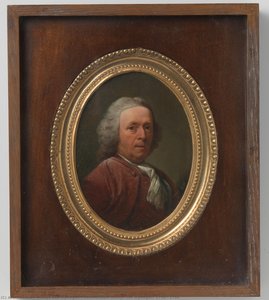
Quick Facts
- Artistic Movement Or Style: Rococo
- Artists Or Movements Influenced By This Artist: ['Gerard van Nijmegen']
- Artists Who Influenced This Artist:
- Elias van Nijmegen
- Jacob de Wit
- Date Of Birth: 1705
- Date Of Death: 1798
- Full Name: Dionys van Nijmegen
- Nationality: Dutch
- Place Of Birth: Rotterdam, Netherlands

