

 Preview
 Send
Send Share
Share
 Details

 Download
 Similars
 X-Ray
X-Ray Diaporama
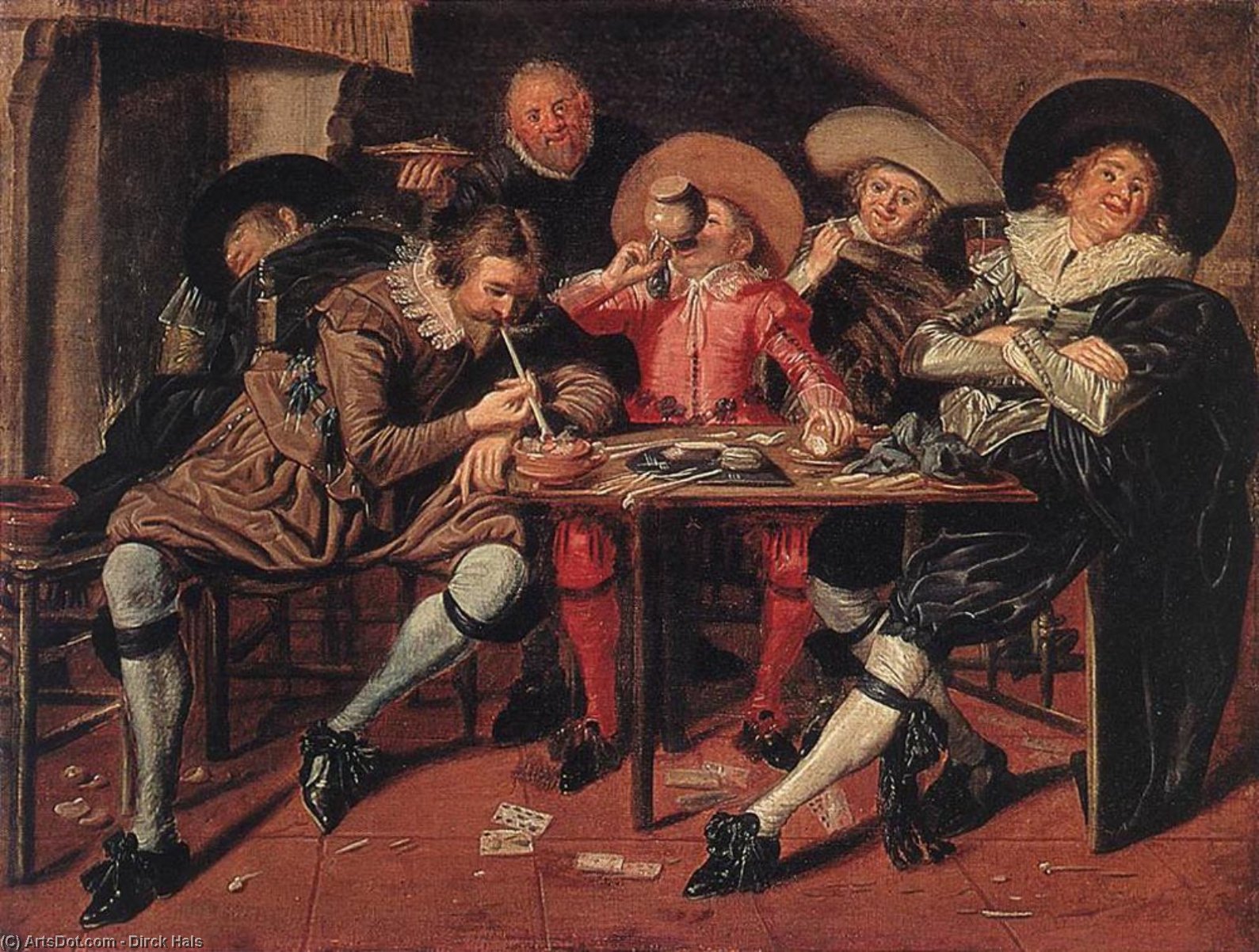
Merry Party in a Tavern
 Oil On Panel
- Dutch Golden Age
 1628
1628 28.0 x 36.0 cm
 Hermitage Museum
 Read More
Purchase a high-resolution, enhanced digital image, far superior to the online preview.
Each file is meticulously prepared by our in-house specialists using advanced tools and expert manual retouching. We ensure every image has exceptional clarity, precise color accuracy, and fine detail.
The final file is delivered via email within 72 hours, optimized for immediate use in professional, editorial, and print environments. This is the same quality trusted by top-tier design studios, publishers, and galleries.
Digital Image
Download a high-resolution file for personal display, printing, and creative projects. ( Buy Print Buy Hand Made Painting)
Included in Every Digital Image Order
Expert Digital Delivery, Guaranteed
When you choose ArtsDot.com, you're not just getting an image - you're receiving a professionally enhanced digital artwork, crafted with precision and backed by a satisfaction guarantee. Here's everything that comes with your order, automatically:

Fast Email Delivery
Your high-resolution digital image file will be emailed to you within 72 hours of ordering - ready for immediate use.

AI-Enhanced Digital File
Your artwork is professionally optimized using advanced AI tools and manual editing, ensuring maximum detail, clarity, and color accuracy.

Free Lifetime Re-Delivery
Accidentally deleted or lost your file? No worries - we'll resend it to you anytime, free of charge.

No Import Fees - Ever
Enjoy your artwork instantly with zero customs, duties, or delivery fees - digital downloads are always tax-free.

Color Accuracy Guarantee
We ensure your digital image reflects the original colors as closely as possible using professional tools and color management.

60-Day Satisfaction Guarantee
If you're not satisfied with your digital image, we'll revise it or refund 100% within 60 days - no questions asked.

100% Money-Back Guarantee
Not satisfied? Get a full refund within 60 days of receiving your digital file - no questions asked.

Bulk Order Discounts
Buy 3 images, save 10% - Buy 5, save 15% - Buy 10+, save 20%. Great for creative projects, galleries, and agencies.
Collectible Description
A Lively Tableau of Dutch Society
Dirck Hals’s “Merry Party in a Tavern,” painted in 1628, isn't merely a depiction of revelry; it’s a vibrant snapshot of the bustling social life and burgeoning prosperity that defined the Dutch Golden Age. More than just a tavern scene, this oil on panel offers a remarkably intimate glimpse into the egalitarian spirit of the era – a time when merchants, artisans, and even laborers could gather together in shared merriment. Hals masterfully captures not just the outward appearance of the partygoers but also their animated conversations, boisterous laughter, and the palpable sense of camaraderie that permeated Dutch society.
The painting’s composition is a carefully orchestrated dance of figures, each contributing to the overall feeling of joyous chaos. Hals eschews the formal portraiture favored by his brother, Frans, instead opting for a dynamic arrangement where individuals are caught in moments of spontaneous interaction. Notice how some patrons are engaged in animated discussions around the table, while others stand or sit casually, their faces alight with amusement. The inclusion of diverse social classes – evidenced by the varying attire and postures – speaks to the relative openness and tolerance that characterized Dutch society at the time.
The Art of Hals: Capturing Fleeting Moments
Dirck Hals’s genius lies in his ability to distill complex emotions and social dynamics into a remarkably compact space. He employs a masterful use of light and shadow, creating a warm, inviting atmosphere that draws the viewer into the scene. The flickering candlelight casts dramatic highlights on faces and objects, adding depth and realism to the composition. His brushwork is loose and expressive, conveying movement and energy with remarkable skill – a hallmark of his distinctive style.
The painting’s technical execution is particularly noteworthy. Hals utilizes a technique known as “alla prima,” meaning he painted directly onto the canvas without extensive underdrawing or layering. This approach results in a remarkably fresh and spontaneous quality, capturing the immediacy of the moment. The details are meticulously rendered – from the textures of the clothing to the gleam of the silverware – yet the overall effect is one of effortless grace and naturalism.
Symbolism and Social Commentary
Beyond its immediate visual appeal, “Merry Party in a Tavern” offers subtle insights into the social values of 17th-century Holland. The abundance of food and drink symbolizes prosperity and indulgence – hallmarks of the Dutch Golden Age’s economic boom. However, the painting also subtly critiques excessive behavior, as evidenced by the presence of a woman offering wine to a group of men, a gesture that hints at the potential pitfalls of unchecked revelry.
The inclusion of various objects—cups, bowls, knives, and spoons—further emphasizes the communal nature of the gathering. These items are not merely decorative; they represent shared experiences and social bonds. The painting serves as a celebration of human connection and the pleasures of simple companionship – values that resonated deeply with Dutch society during this period of unprecedented growth and cultural flourishing.
A Timeless Masterpiece: Reproductions and Legacy
“Merry Party in a Tavern” remains one of Dirck Hals’s most celebrated works, admired for its vibrant energy, masterful composition, and insightful portrayal of Dutch society. Today, high-quality reproductions allow art enthusiasts to experience the painting's captivating beauty firsthand, bringing this remarkable glimpse into the past into their homes and offices. Owning a reproduction is not merely acquiring an image; it’s embracing a piece of history—a testament to the enduring appeal of Dutch Golden Age art.
Related Artworks
Artist Biography
The Master of Merry Company: The Life and Legacy of Dirck Hals
In the golden light of the seventeenth-century Netherlands, a period defined by unparalleled artistic flourishing and burgeoning mercantile wealth, Dirck Hals carved out a space that was uniquely his own. Born in Haarlem in 1591, Hals emerged from a landscape of profound creative energy, walking in the shadow of his more famous elder brother, the legendary portraitist Frans Hals. Yet, to view Dirck merely as a secondary figure is to miss the subtle brilliance of his contribution to the Dutch Golden Age. While his brother captured the dignified essence of the individual through striking portraits, Dirck turned his gaze toward the collective experience, finding profound beauty in the spontaneous, the convivial, and the communal.
His artistic journey was deeply rooted in the traditions of Haarlem, a city that served as a crucible for many of the era's greatest masters. Under the influence of the burgeoning realism championed by his brother, Dirck developed a technique characterized by meticulous detail and an uncanny ability to capture fleeting moments of social interaction. He became a specialist in what are known as conversation pieces—intimate scenes of groups engaged in lively discussion, music-making, or shared refreshments. These works were not merely decorative; they were psychological windows into the social fabric of the Dutch Republic, capturing the textures of silk, the glint of pewter, and the nuanced expressions of joy, contemplation, and mischief.
A Symphony of Social Interaction
The essence of Dirck Hals’s oeuvre lies in his mastery of atmosphere. Unlike the formal rigidity often found in contemporary portraiture, Hals’s compositions breathe with a sense of movement and vitality. Whether depicting an Amusing Party in the Open Air or the structured elegance of A Banquet, he utilized the principles of Baroque lighting to create depth and drama. He had a remarkable gift for directing the viewer's eye through a crowded scene, using light to highlight a tilted glass, a shared glance between lovers, or the delicate way a hand rests upon a letter, as seen in his evocative Seated Woman with a Letter.
His work often reflects the broader cultural trends of the Dutch Golden Age, where the celebration of domesticity and middle-class prosperity became a central theme in art. Through his depictions of festive gatherings and ballroom celebrations, Hals documented the rhythms of life in an era of immense economic growth. His ability to convey both the grandeur of these social rituals and the intimate, human connections within them allowed him to transcend simple genre painting, elevating the "merry company" scene to a sophisticated study of human nature.
Historical Significance and Artistic Footprint
Though his career saw him working in various centers, including notable periods in Leiden during the 1640s, Hals remained intrinsically linked to the spirit of Haarlem. His development as an artist was marked by a steady refinement of his ability to portray texture and light, ensuring that his smaller canvases possessed a monumental emotional impact. While he may not have sought the international fame of Rembrandt or Rubens, his influence on the genre painting tradition was significant, providing a blueprint for how artists could capture the ephemeral beauty of everyday social life.
Today, the legacy of Dirck Hals survives through works held in prestigious institutions such as the Metropolitan Museum of Art, where his paintings continue to enchant viewers with their vibrant spirit. His contribution to art history is defined by several key elements:
- Genre Specialization: He perfected the "merry company" scene, moving away from formal portraiture toward dynamic group narratives.
- Psychological Depth: Beyond mere decoration, his figures possess a sense of individual character and emotional presence.
- Technical Precision: His mastery of light and texture brought a tactile reality to the scenes of Dutch festivities.
- Cultural Documentation: His work serves as a vital visual record of the social customs and celebratory atmosphere of the 17th-century Netherlands.
In the grand tapestry of the Dutch Golden Age, Dirck Hals remains a vital thread, reminding us that there is profound artistry to be found in the shared laughter, the quiet whispers, and the collective celebrations of the human experience.
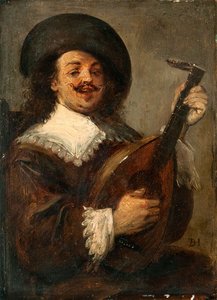
Dirck Hals
1591 - 1656 , Netherlands
Quick Facts
- Artistic Movement Or Style: Dutch Golden Age
- Artists Or Movements Influenced By This Artist:
- Nathaniel Bacon
- Johann Hulsman
- Willem Cornelis Duyster
- Artists Who Influenced This Artist: ['Frans Hals']
- Date Of Birth: 1591
- Date Of Death: 1656
- Full Name: Dirck Hals
- Nationality: Dutch
- Notable Artworks:
- Seated Woman with a Letter
- Merry Party in a Tavern
- Musicians
- Place Of Birth: Haarlem, Netherlands

