

 Preview
 Send
Send Share
Share
 Details

 Download
 Similars
 X-Ray
X-Ray Diaporama
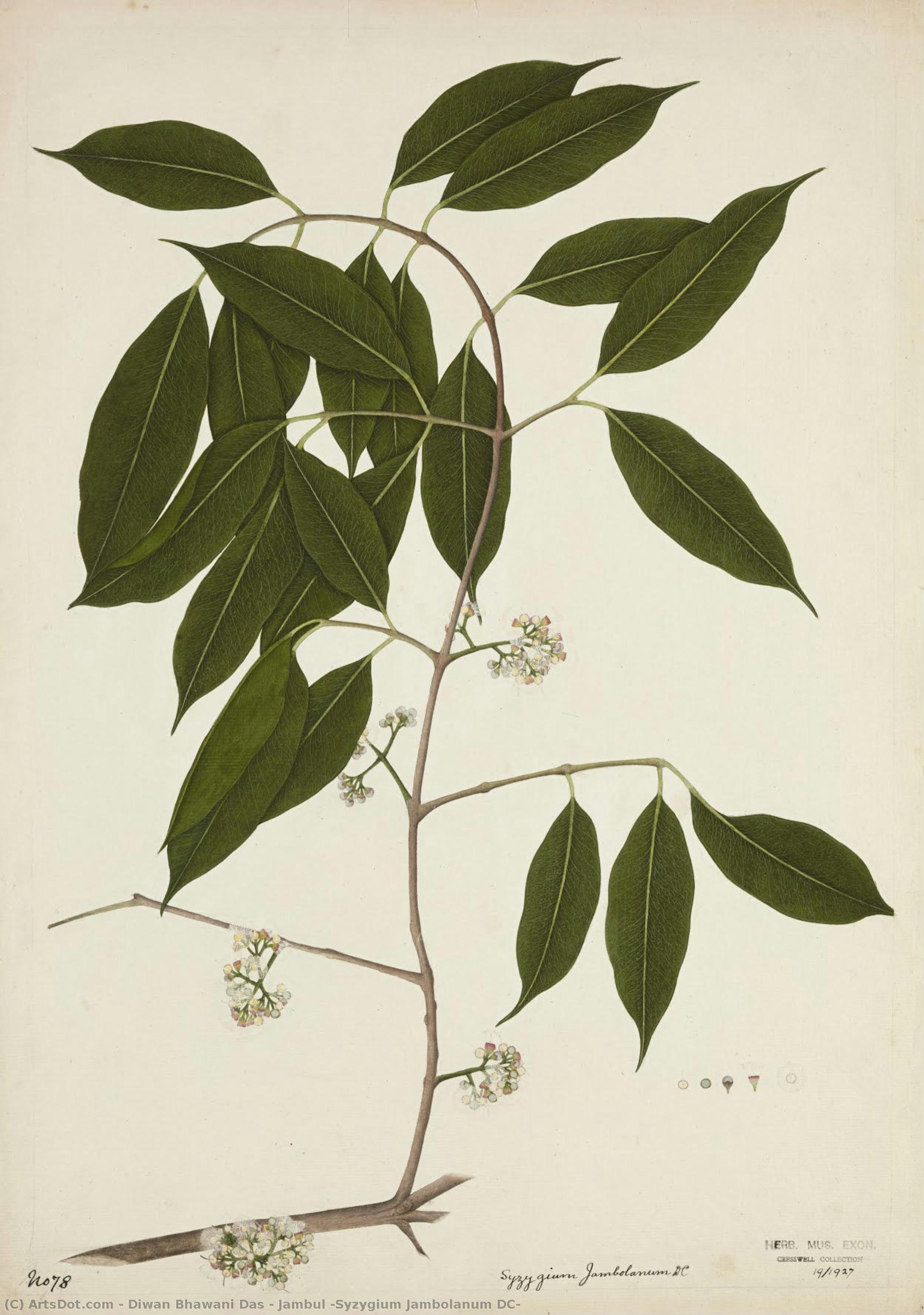
Jambul (Syzygium Jambolanum DC)
 39.0 x 55.0 cm
 Royal Albert Memorial Museum - Art Gallery
 Read More
Purchase a high-resolution, enhanced digital image, far superior to the online preview.
Each file is meticulously prepared by our in-house specialists using advanced tools and expert manual retouching. We ensure every image has exceptional clarity, precise color accuracy, and fine detail.
The final file is delivered via email within 72 hours, optimized for immediate use in professional, editorial, and print environments. This is the same quality trusted by top-tier design studios, publishers, and galleries.
Digital Image
Download a high-resolution file for personal display, printing, and creative projects. ( Buy Print Buy Hand Made Painting)
Included in Every Digital Image Order
Expert Digital Delivery, Guaranteed
When you choose ArtsDot.com, you're not just getting an image - you're receiving a professionally enhanced digital artwork, crafted with precision and backed by a satisfaction guarantee. Here's everything that comes with your order, automatically:

Fast Email Delivery
Your high-resolution digital image file will be emailed to you within 72 hours of ordering - ready for immediate use.

AI-Enhanced Digital File
Your artwork is professionally optimized using advanced AI tools and manual editing, ensuring maximum detail, clarity, and color accuracy.

Free Lifetime Re-Delivery
Accidentally deleted or lost your file? No worries - we'll resend it to you anytime, free of charge.

No Import Fees - Ever
Enjoy your artwork instantly with zero customs, duties, or delivery fees - digital downloads are always tax-free.

Color Accuracy Guarantee
We ensure your digital image reflects the original colors as closely as possible using professional tools and color management.

60-Day Satisfaction Guarantee
If you're not satisfied with your digital image, we'll revise it or refund 100% within 60 days - no questions asked.

100% Money-Back Guarantee
Not satisfied? Get a full refund within 60 days of receiving your digital file - no questions asked.

Bulk Order Discounts
Buy 3 images, save 10% - Buy 5, save 15% - Buy 10+, save 20%. Great for creative projects, galleries, and agencies.
Related Artworks









Artist Biography
Diwan Bhawani Das: Bridging Tradition and Modernity in 18th-Century Indian Art
Diwan Bhawani Das, a name largely absent from mainstream art historical narratives yet profoundly significant to the artistic landscape of 18th-century India, stands as a testament to the evolving synthesis of tradition and innovation. Born around 1770 in what is now India – his precise birthplace remains shrouded in the mists of time – Das’s life was inextricably linked to the shifting political currents of the era, serving as a crucial figure within the Durrani and later the Sikh empires. More than just a court painter, he was a skilled administrator, a keen observer of human nature, and an artist who masterfully blended the established aesthetics of Mughal miniature painting with emerging European influences, creating a uniquely Indian visual language.
Das’s early life remains largely undocumented, reflecting a common fate for many artists operating within the complex hierarchies of royal courts. However, it is known that he hailed from a prominent Khatri family – a merchant caste traditionally associated with commerce and administration – providing him with both social standing and access to education. His initial training likely occurred under the tutelage of established Mughal miniature painters, absorbing the intricate detail, rich color palettes, and formalized compositions characteristic of this venerable tradition. This foundation proved invaluable as he later sought to integrate these elements with new artistic approaches.
A Rising Star in Imperial Service
Das’s career unfolded during a period of immense political upheaval. He began his service under the Durrani emperors, Zaman Shah and Shah Shujah, initially functioning as a revenue official in Multan and Derajat. This early experience provided him with an intimate understanding of administrative processes and the practical demands of managing resources – skills that would later prove essential in his role as a court painter and advisor. His efficiency and dedication quickly garnered attention, leading to promotions within the Durrani administration.
A pivotal moment arrived when he transitioned to service under Maharaja Ranjit Singh, the ambitious ruler of the burgeoning Sikh Empire. Recognizing Das’s administrative acumen and artistic talent, Ranjit Singh appointed him as finance minister in 1811. This move marked a significant shift in Das's career trajectory, placing him at the heart of the Sikh state’s economic and political affairs. During this period, he implemented crucial reforms to the treasury system, establishing a framework for regular accounts and streamlining revenue collection – vital steps in consolidating the empire’s power.
The Art of Synthesis: Style and Technique
Das's artistic style is characterized by a remarkable ability to synthesize disparate influences. While firmly rooted in Mughal miniature painting—evident in his meticulous attention to detail, use of gold leaf, and refined compositions—he also incorporated elements borrowed from European art, particularly the burgeoning interest in natural history illustration prevalent during the British East India Company’s expansion. This fusion is most strikingly evident in his botanical watercolors, such as those depicting *Kadam* (Neolamarckia cadamba) and *Sea Holly* (Acanthus illyricus), which showcase a remarkable scientific accuracy alongside an appreciation for aesthetic beauty.
His paintings of animals, like the “Great Indian Fruit Bat,” demonstrate this hybrid approach. The bat is rendered with astonishing realism—capturing its fur, musculature, and delicate features—yet the composition and overall treatment bear a clear resemblance to European animal studies of the time. The use of opaque watercolor lends a subtle luminosity to the work, creating an atmosphere of quiet observation.
Notable Works and Legacy
Among Das’s most celebrated works is “Raja Ravi Varma: Shakuntala,” a captivating depiction of the tragic heroine from Kalidasa's epic poem. This painting exemplifies his mastery of narrative storytelling, combining classical Indian iconography with a sense of dramatic intensity. Other notable pieces include "Raja Ravi Varma: Simhika and Sairandri," which showcase his ability to capture the essence of wildlife with both elegance and precision.
Diwan Bhawani Das’s legacy extends far beyond his artistic output. He played a crucial role in shaping the administrative structures of the Sikh Empire, contributing significantly to its economic stability and political development. His paintings, now considered national treasures, offer invaluable insights into the cultural exchange that characterized 18th-century India—a period marked by both conflict and collaboration between diverse traditions. The Maharaja Ranjit Singh’s collection provides a vital resource for scholars seeking to understand this complex and fascinating era.
Further Exploration
- Wikipedia Entry: https://en.wikipedia.org/wiki/Diwan_Bhawani_Das
- ArtsDot Website: /en/artists/diwan-bhawani-das-en/
- Metropolitan Museum of Art: https://www.metmuseum.org/art/collection/search/456949
Diwan Bhawani Das
1770 - 1834 , India
Quick Facts
- Artistic Movement Or Style: Traditional Indian & Modern techniques
- Artists Or Movements Influenced By This Artist: None specified
- Artists Who Influenced This Artist: Traditional Indian styles
- Date Of Birth: Unknown, India (1770)
- Date Of Death: 1834
- Full Name: Diwan Bhawani Das
- Nationality: Indian
- Notable Artworks:
- Raja Ravi Varma: Shakuntala
- Raja Ravi Varma: Simhika
- Raja Ravi Varma: Sairandri
- Place Of Birth: India (Unknown)

