 Preview
 Send
Send Share
Share
 Details

 Download
 Similars
 X-Ray
X-Ray Diaporama
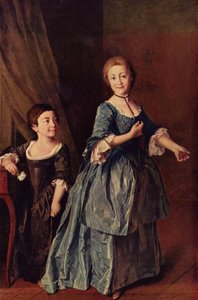
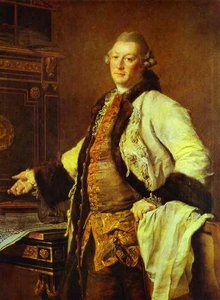
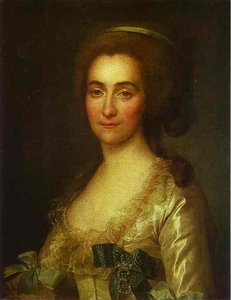
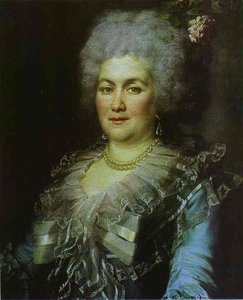
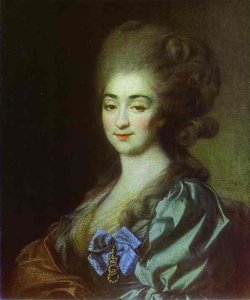
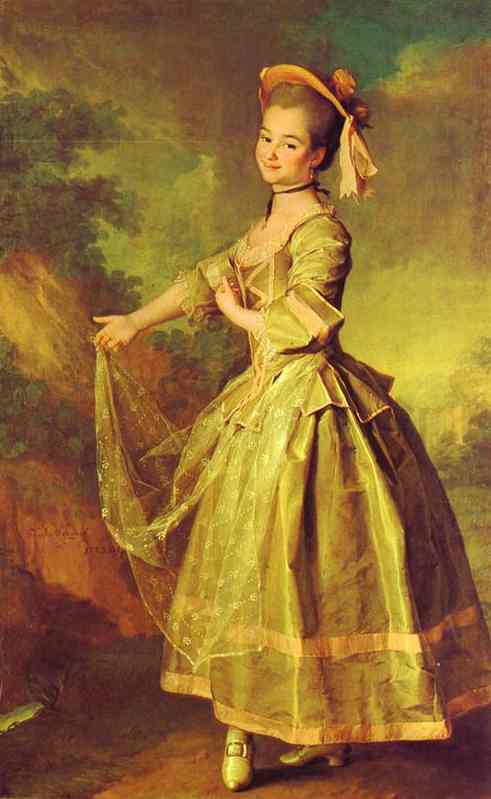
Portrait of Ekaterina Nelidova

 Read More
Hand Made Oil Reproduction
Hand-painted oil on canvas in your size and frame, made to order by our artists. ( Buy Print Buy Image)




































Pick from our preset sizes that match the artwork's original proportions.

You may enter your own dimensions to fit a specific frame or space. If your selected size does not match the original image's proportions, we will either crop the artwork or extend the painting with additional hand-painted elements. A digital mockup will be sent for your approval before production begins.
Please note that the on-screen preview does not reflect the actual cropping or extension. Only the mockup will accurately show the final composition.
While custom sizes are available, we recommend selecting a dimension from the predefined list to preserve the original proportions.
After order, ArtsDot.com team will email client for instructions and provide a mockup preview
Worldwide Delivery () in 3/4 weeks instead of standard 5 weeks. (16 August). No compromise on quality.

Free Worldwide Express Shipping

High-Quality Linen Canvas

Full Shipping Insurance

Customs Tax Refund Guarantee

True Color Matching Guarantee

60-Day Return Policy (Defects Only)

100% Money-Back Guarantee

Bulk Discount Offer
 Glass option is only available in size under 110 CM

Portrait of Ekaterina Nelidova
Reproduction Medium
Reproduction Size
-


Total Price
$ 263
Related Artworks
Artist Biography
Early Life and Artistic Foundations
Dmitry Grigoryevich Levitsky, born in Kyiv in 1735, emerged from a family deeply rooted in the artistic traditions of Ukraine. His father, Grigory Kirillovich Levitsky-Nos, was not merely a priest but also an accomplished engraver and painter, serving as young Dmitry’s initial guide into the world of visual expression. This early tutelage laid a crucial foundation, instilling in him a reverence for detail and a nascent understanding of form. The family's move to St. Petersburg around 1758 marked a pivotal moment, opening doors to formal artistic training under the esteemed Aleksey Antropov. Antropov’s influence proved significant; he imparted an objectivity that would become a hallmark of Levitsky’s mature style.
Ascension and Academic Recognition
Levitsky's path wasn’t solely defined by apprenticeship. He absorbed knowledge from other masters, including Louis Lagrenée at the St. Petersburg Academy of Arts, further refining his technique. His breakthrough arrived in 1770 with an exhibition of six portraits at the Imperial Academy of Arts. These works didn’t simply showcase technical skill; they captured a distinct aristocratic sensibility that resonated deeply within the courtly circles of Catherine the Great's Russia. The portrait of Alexander Kokorinov, Director and First Rector of the Academy, proved particularly impactful, earning Levitsky academician status and a professorship in portrait painting at the very institution where he had once been a student. This appointment solidified his position as one of Russia’s leading artists.
The Smolny Institute Series: Portraits of Youth and Idealism
Perhaps Levitsky's most celebrated achievement lies within the series of portraits commissioned by Catherine II for the Smolny Institute for Young Ladies between 1772 and 1776. These weren’t merely likenesses; they were carefully constructed representations of youthful virtue, grace, and potential. Each portrait depicts a student engaged in various activities – dancing, music, dramatic performance – embodying the ideals of education and refinement that Catherine sought to promote through the Institute. The compositional structure, influenced by European formal portraiture, emphasized the dignity and importance of each sitter, while Levitsky’s masterful use of light and color brought a vibrant life to these scenes of aristocratic upbringing. These paintings are not just historical documents; they are windows into the aspirations and values of 18th-century Russian society.
A Refined Style and Lasting Legacy
Levitsky's artistry was characterized by a remarkable ability to capture both the physical likeness and the inner character of his subjects. He moved beyond mere representation, imbuing his portraits with a sense of psychological depth and social nuance. His technique blended meticulous detail with a delicate touch, creating images that were simultaneously realistic and idealized. While he enjoyed considerable success during his lifetime, financial hardship plagued his later years. Deteriorating eyesight forced him to curtail his painting activities in the 1790s, though he remained connected to the Academy as a council member. Despite these challenges, Levitsky left behind an enduring legacy as one of Russia’s foremost portrait painters, alongside contemporaries like Fyodor Rokotov and Vladimir Borovikovsky.
Historical Significance and Enduring Appeal
Levitsky's work provides invaluable insight into the lives and values of the Russian aristocracy during a period of significant social and political change. His portraits are not simply beautiful objects; they are historical artifacts that reflect the evolving tastes, aspirations, and self-perception of an elite class. His ability to balance realism with idealization, coupled with his technical mastery, established him as a defining figure in Russian portraiture. Today, Levitsky’s paintings continue to captivate audiences with their elegance, psychological depth, and enduring beauty. They offer a glimpse into a bygone era, reminding us of the power of art to capture not just appearances but also the spirit of a time.
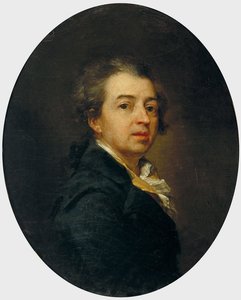
dmitry grigoryevich levitsky
1735 - 1822 , Ukraine
Quick Facts
- Artistic Movement Or Style: Classical Portraiture
- Artists Who Influenced This Artist: ['Grigory Kirillovich Levitsky']
- Date Of Birth: May 1735
- Full Name: Dmitry Grigoryevich Levitsky
- Nationality: Ukrainian-Russian
- Notable Artworks:
- Portrait of Alexander Kokorino
- Portrait of A. P. Levshina
- Portrait of Countess N. F. Vorontsova
- Place Of Birth: Kyiv, Ukraine