

 Preview
 Send
Send Share
Share
 Details

 Download
 Similars
 X-Ray
X-Ray Diaporama
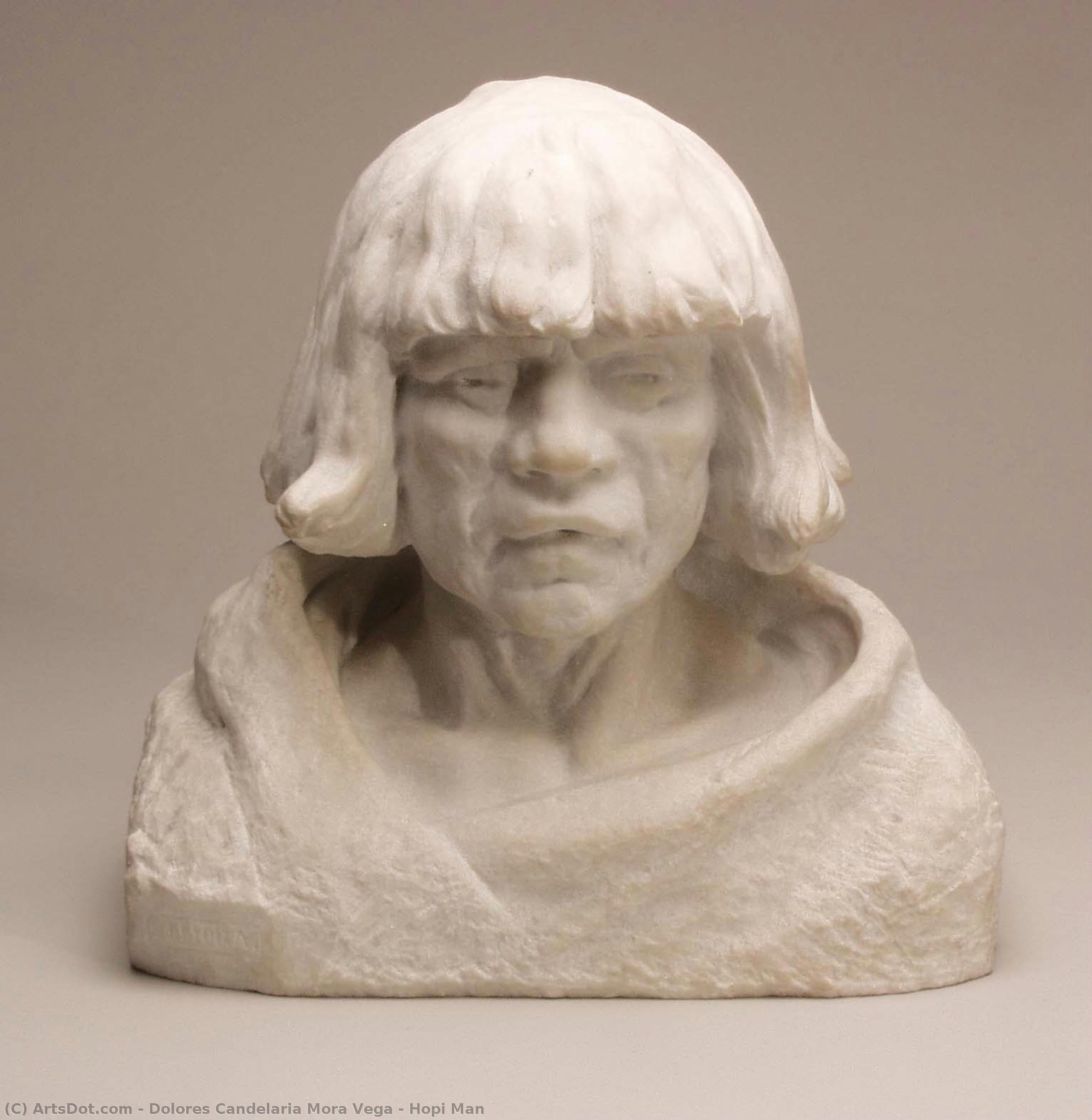
Hopi Man


 Read More
Purchase a high-resolution, enhanced digital image, far superior to the online preview.
Each file is meticulously prepared by our in-house specialists using advanced tools and expert manual retouching. We ensure every image has exceptional clarity, precise color accuracy, and fine detail.
The final file is delivered via email within 72 hours, optimized for immediate use in professional, editorial, and print environments. This is the same quality trusted by top-tier design studios, publishers, and galleries.
Digital Image
Download a high-resolution file for personal display, printing, and creative projects. ( Buy Print Buy Hand Made Painting)
Included in Every Digital Image Order
Expert Digital Delivery, Guaranteed
When you choose ArtsDot.com, you're not just getting an image - you're receiving a professionally enhanced digital artwork, crafted with precision and backed by a satisfaction guarantee. Here's everything that comes with your order, automatically:

Fast Email Delivery
Your high-resolution digital image file will be emailed to you within 72 hours of ordering - ready for immediate use.

AI-Enhanced Digital File
Your artwork is professionally optimized using advanced AI tools and manual editing, ensuring maximum detail, clarity, and color accuracy.

Free Lifetime Re-Delivery
Accidentally deleted or lost your file? No worries - we'll resend it to you anytime, free of charge.

No Import Fees - Ever
Enjoy your artwork instantly with zero customs, duties, or delivery fees - digital downloads are always tax-free.

Color Accuracy Guarantee
We ensure your digital image reflects the original colors as closely as possible using professional tools and color management.

60-Day Satisfaction Guarantee
If you're not satisfied with your digital image, we'll revise it or refund 100% within 60 days - no questions asked.

100% Money-Back Guarantee
Not satisfied? Get a full refund within 60 days of receiving your digital file - no questions asked.

Bulk Order Discounts
Buy 3 images, save 10% - Buy 5, save 15% - Buy 10+, save 20%. Great for creative projects, galleries, and agencies.
Collectible Description
The Spirit of Rebellion: Dolores Candelaria Mora Vega’s “Hopi Man”
Dolores Candelaria Mora Vega – Lola Mora – stands as an extraordinary figure in Argentine art history, defying convention and establishing herself as a trailblazer for women artists during the late 19th century. Her artistic vision transcended mere representation; it embodied a courageous assertion of individuality against societal pressures, resulting in works that continue to captivate audiences today with their raw emotion and innovative stylistic choices. Mora’s oeuvre blends European influences with the expressive fervor characteristic of Argentinian expressionism, creating pieces imbued with profound meaning and enduring beauty.- Subject Matter: “Hopi Man” depicts a sculpted bust of a male figure, capturing a serene yet contemplative gaze. The sculpture portrays a man’s head, meticulously rendered in detail—a striking choice considering the artistic landscape of its time.
- Style & Technique: Mora employed a distinctive expressionist style, prioritizing emotional intensity over photographic accuracy. Her sculpting technique involved meticulous carving and polishing of alabaster, resulting in a surface texture that subtly reflects light and enhances the sculpture’s sculptural presence.
- Historical Context: Created during a period marked by significant social reformations, “Hopi Man” speaks to the broader movement advocating for women's rights and artistic freedom. Mora’s work challenged prevailing stereotypes about femininity in art, asserting her own creative voice amidst male dominance.
- Symbolism: The sculpture’s posture—slightly turned towards the viewer—suggests introspection and contemplation, inviting viewers to engage with themes of identity and inner reflection. The artist's deliberate selection of alabaster symbolizes purity and resilience – qualities that mirror Mora’s own unwavering determination.
- Emotional Impact: “Hopi Man” evokes a sense of quiet dignity and profound stillness. Its understated beauty resonates with viewers seeking solace and contemplation, reminding us of the power of art to convey complex emotions and inspire personal reflection.
Displayed prominently in the de Young Museum in San Francisco, Mora’s masterpiece exemplifies her commitment to artistic excellence and her unwavering belief in the transformative potential of creative expression. The sculpture's luminous alabaster surface captures the subtle nuances of light, mirroring the artist’s meticulous attention to detail and enhancing its visual impact.
Further Exploration: Lola Mora – A Biographical Sketch
Born in San Miguel de Tucumán, Argentina, in 1866, Dolores Candelaria Mora Vega—known universally as Lola Mora—was a singular force within Argentine artistic circles. Her upbringing fostered an uncommon emphasis on education for women, equipping her with the intellectual tools necessary to pursue her artistic ambitions. Early studies focused on painting and sculpture locally before securing a prestigious scholarship that propelled her academic career forward.Notable Works Beyond “Hopi Man”
Mora’s artistic legacy extends beyond “Hopi Man,” encompassing a diverse body of paintings and sculptures exploring themes of femininity, spirituality, and social justice. Her magnum opus, "Las Nereidas," remains an iconic landmark in Argentinian art history—a testament to her masterful technique and unwavering dedication to conveying profound emotional depth.Resources for Interested Collectors
For those seeking to delve deeper into Lola Mora’s artistic journey, numerous resources are available. Wikipedia offers a comprehensive biographical overview (Wikipedia), while reproductions of her sculptures can be found atRelated Artworks
Artist Biography
Dolores Candelaria Mora Vega: A Rebel Sculptor of Argentina
Born in San Miguel de Tucumán, Argentina, in 1866, Dolores Candelaria Mora Vega – known to the world as Lola Mora – was a singular figure in late 19th and early 20th-century Argentine art. More than just a sculptor and painter, she represented a defiant spirit, challenging societal norms and forging her own path within a male-dominated artistic landscape. Her work, characterized by a potent blend of European influences with the raw emotionality of Argentinian expressionism, continues to resonate today as a testament to her innovative vision and enduring legacy.
Mora’s early life was marked by an unusual emphasis on education for women in a time when such opportunities were rare. Her parents, recognizing her artistic inclinations, ensured she received a comprehensive upbringing, laying the foundation for her future pursuits. She began her artistic journey studying painting and sculpture locally before securing a prestigious scholarship to Rome, Italy, where she honed her skills under renowned sculptors Costantino Barbella and Giulio Monteverde. This immersion in European art provided a crucial framework while simultaneously fueling her desire to infuse her work with distinctly Argentinian themes and sensibilities.
A Sculptural Rebellion: Major Works and Exhibitions
Mora’s artistic output was both prolific and deeply personal, reflecting the turbulent social and political climate of Argentina during this period. Her most celebrated works are imbued with a powerful sense of drama and emotion – often exploring themes of femininity, mythology, and the complexities of human experience. Among her most iconic creations is *Las Nereidas* (The Nymphs), a monumental marble fountain installed in Puerto Madero, Buenos Aires, in 1903. This ambitious project, initially met with bureaucratic resistance due to its provocative subject matter and Mora’s status as a female artist, ultimately cemented her reputation as a bold innovator.
Beyond *Las Nereidas*, Mora's oeuvre includes significant sculptural groups adorning public spaces throughout Argentina, including works for the Historical House of Tucumán, the Palace of the Argentine National Congress, and numerous plazas and monuments. Her work in Rosario, particularly the series of sculptures flanking the Oath Passage, stands as a powerful testament to her artistic vision and enduring influence on the city’s cultural identity. Notable pieces such as “Woman with a Dagger” exemplify her willingness to confront difficult subjects and explore the darker aspects of human nature.
Her work was exhibited extensively throughout Argentina and internationally, gaining recognition in venues like the Hastings Museum and Art Gallery in the United Kingdom, the Tunbridge Wells Museum and Art Gallery, and the Letchworth Museum and Art Gallery. Interestingly, her style has been compared to that of the Expressionist painter Lucian Freud, a connection highlighting the shared emphasis on raw emotion and psychological depth within their respective artistic practices.
The Influence of a Pioneer
Lola Mora’s impact extends far beyond her individual creations; she fundamentally altered the landscape of Argentine art. Her courage in pursuing a career as an artist – particularly as a woman in a society that often discouraged female participation in traditionally male fields – paved the way for future generations of Argentinian artists, both male and female. She challenged conventional notions of beauty and artistic expression, embracing a sensual and emotionally charged style that resonated deeply with audiences.
Furthermore, Mora’s inventive spirit extended beyond sculpture and painting. She was a keen inventor, holding patents for various innovations including a system for projecting films without a screen and methods for mining operations. These endeavors demonstrate her multifaceted intellect and her desire to contribute to society in diverse ways.
Legacy and Remembrance
Despite achieving considerable acclaim during her lifetime, Lola Mora’s later years were marked by poverty and obscurity. Tragically, after her death in Buenos Aires in 1936, her personal papers – letters, mementos, and diaries – were burned by her friends, a poignant act that underscored the societal prejudices she faced. However, her legacy has been rightfully resurrected through ongoing research, exhibitions, and artistic tributes. In 1996, Argentine filmmaker Javier Torre produced a film titled *Lola Mora*, further bringing her story to public attention.
Today, Lola Mora is celebrated as a national icon in Argentina, with November 17th – her birthdate – designated as National Sculptor and Plastic Arts Day. Her work continues to inspire artists and viewers alike, serving as a powerful reminder of the enduring strength and creativity of a woman who dared to defy convention and leave an indelible mark on the world of art.
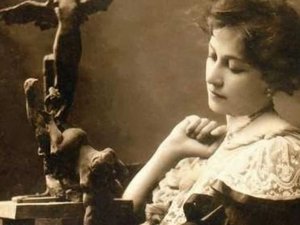
dolores candelaria mora vega
1866 - 1936 , Argentina
Quick Facts
- Artistic Movement Or Style: Expressionism
- Artists Or Movements Influenced By This Artist: ['Lucian Freud']
- Artists Who Influenced This Artist: ['Giulio Monteverde']
- Date Of Birth: November 17, 1866
- Date Of Death: June 7, 1936
- Full Name: Dolores Candelaria Mora Vega
- Nationality: Argentine
- Notable Artworks:
- Girl in the greenery
- Woman with a dagger
- Las Nereidas
- Place Of Birth: San Miguel de Tucumán, Argentina


