 Preview
 Send
Send Share
Share
 Details

 Download
 Similars
 X-Ray
X-Ray Diaporama
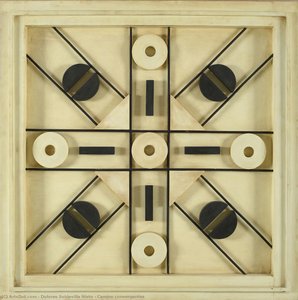
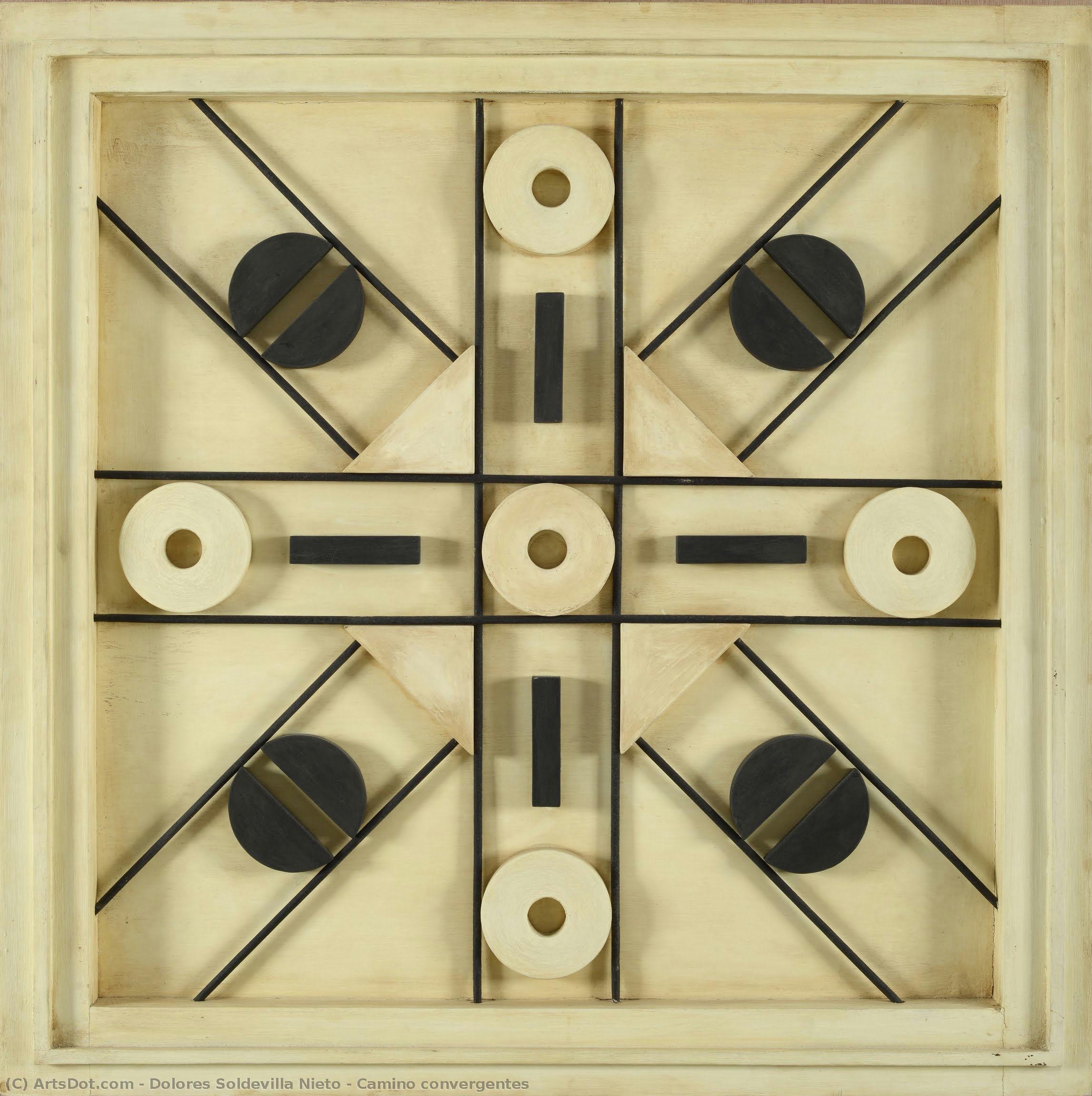
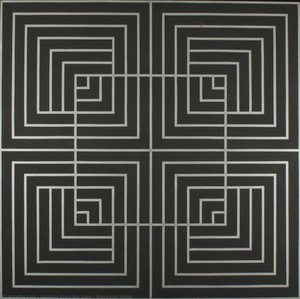
Camino convergentes
 Acrylic On Canvas
- WallArt
- Cubismo Geometrico
 1950
1950- Modern
 86.0 x 86.0 cm
 Centro Cultural Banco do Brasil Rio de Janeiro
 Read More
Hand Made Oil Reproduction
Hand-painted oil on canvas in your size and frame, made to order by our artists. ( Buy Print Buy Image)




P118B $10

P118H $10

P118W $10

P438Z $10

P508JH $12

P508YH $12

P805H $10

P805Z $10

P919BZ $10

P919G $10

P919XJ $10

P959ZH $10

P968JZ $12

W106C $8

W218G $10

W218JH $8

W218Y $10

W307PJ $10

W316G $10

W316PJ $8

W316Y $10

W398PJ $8

W4111J $10

W500HY $15

W500JH $15

W692G $12

W849H $8

W940BG $15

W953PJ $8




Pick from our preset sizes that match the artwork's original proportions.

You may enter your own dimensions to fit a specific frame or space. If your selected size does not match the original image's proportions, we will either crop the artwork or extend the painting with additional hand-painted elements. A digital mockup will be sent for your approval before production begins.
Please note that the on-screen preview does not reflect the actual cropping or extension. Only the mockup will accurately show the final composition.
While custom sizes are available, we recommend selecting a dimension from the predefined list to preserve the original proportions.
After order, ArtsDot.com team will email client for instructions and provide a mockup preview
Worldwide Delivery () in 3/4 weeks instead of standard 5 weeks. (23 August). No compromise on quality.

Free Worldwide Express Shipping

High-Quality Linen Canvas

Full Shipping Insurance

Customs Tax Refund Guarantee

True Color Matching Guarantee

60-Day Return Policy (Defects Only)

100% Money-Back Guarantee

Bulk Discount Offer
 Glass option is only available in size under 110 CM

Camino convergentes
Reproduction Medium
Reproduction Size
-


Total Price
$ 263
Artwork Description
Dolores Soldevilla Nieto: A Visionary of Cuban Concretismo
Dolores “Loló” Soldevilla Nieto (1901-1971) stands as an undeniable cornerstone in the annals of Cuban art history, particularly recognized for her pioneering role in establishing Concrete Art – a movement that profoundly reshaped the artistic landscape of Cuba and garnered international acclaim. Born amidst the turbulent political climate of Havana during the early 20th century, Soldevilla’s life was marked by unwavering conviction and artistic exploration, culminating in a body of work that continues to resonate with collectors and connoisseurs alike.
Early Life & Musical Beginnings
Soldevilla's formative years were enriched by musical pursuits. She honed her skills at the Falcón Conservatory for singing and violin, demonstrating exceptional talent and establishing “La Orchestra de Loló,” a spirited ensemble that briefly captivated Havana’s cultural scene. However, her artistic inclinations soon steered her towards painting in 1948, marking a decisive turning point in her creative trajectory.
Political Activism & Resistance
Soldevilla's commitment to social justice extended beyond the easel. During the repressive Machado dictatorship (1933-1940), she actively championed democratic ideals and challenged authoritarian rule. Her outspoken stance resulted in imprisonment at the Prison for Women in Guanabacoa in 1935, a harrowing experience that solidified her resolve to advocate for human rights.
Concrete Art: Geometric Abstraction & Revolutionary Spirit
Soldevilla’s embrace of Concrete Art – spearheaded by Miguel Ángel Asturias and Rafael Santamarina – represents more than just stylistic preference; it embodies a philosophical response to the prevailing artistic trends of the time. Inspired by Russian Constructivism and Bauhaus principles, Soldevilla's canvases eschewed representational imagery in favor of geometric forms—circles, squares, triangles—arranged with meticulous precision. These shapes weren’t merely decorative elements but symbols of structural unity and intellectual rigor.
Her distinctive technique involved layering colored pigments onto a wooden box surface, creating textured surfaces that captured the interplay of light and shadow. The deliberate use of monochrome palettes – predominantly black and white – underscored the artwork's conceptual core, prioritizing form over color to convey an emotion of calm contemplation and intellectual clarity.
Symbolism & Emotional Resonance
"Camino convergentes," titled "Convergent Path," exemplifies Soldevilla’s artistic vision. The intricate design—featuring multiple circles interspersed with dots—suggests interconnectedness and the pursuit of harmonious balance. These geometric shapes, combined with the muted color scheme, invite viewers to contemplate fundamental questions about perception and order.
More than just a visual spectacle, “Camino convergentes” speaks to Soldevilla’s enduring legacy as an artist who dared to challenge conventions and express profound ideas through uncompromising abstraction. It stands as a testament to the transformative power of art—a reminder that beauty can reside in simplicity and that intellectual exploration can illuminate the human spirit.
- Artist: Dolores Soldevilla Nieto
- Born Year: 1901
- Death Year: 1971
- Birth City: Havana
- Birth Country: Cuba
This artwork is housed in the Museo Nacional de Artes Decorativas y Diseño, Havana.
Related Artworks



Artist Biography
Dolores "Loló" Soldevilla Nieto (1901-1971): Pioneer of Cuban Concretismo
Dolores “Loló” Soldevilla Nieto, also known as Lolo Soldevilla, was a pivotal figure in the development of concrete art in Cuba and a significant contributor to the international abstract art scene. Born in Havana, Cuba, in 1901, she lived through a period of immense political and artistic change, leaving an indelible mark on Cuban visual culture.
Early Life & Political Activism
- Education & Early Career: Soldevilla’s early life was multifaceted. She graduated from the Falcón Conservatory for singing and violin, even founding a short-lived musical group called "La Orchestra de Loló." However, her artistic path shifted to painting in 1948.
- Political Engagement: During the 1930s, Soldevilla was deeply involved in political activism, opposing the Machado dictatorship. Her outspoken views led to detainment and imprisonment at the Prison for Women in Guanabacoa in 1935. She also helped found the Partido Aprista of Cuba.
- Parisian Influence (1949-1951): As a cultural attaché for the Cuban embassy, Soldevilla traveled to Paris in 1949. Her time at the Académie de la Grande Chaumière proved crucial, shaping her artistic direction and leading to her first exhibitions later that year. She also studied engraving techniques with Hayter and Cochet, and collaborated with Deswane and Pillet at Atelier d’Art Abstrait.
Artistic Development & Concretismo
- European & Latin American Influences: Soldevilla's extensive travels throughout Europe (Spain, Switzerland, the Netherlands, Belgium, Great Britain, Austria, Germany) and Latin America (Venezuela, Brazil) exposed her to a diverse range of artistic movements.
- Concrete Art in Cuba: Upon returning to Cuba, Soldevilla became a key figure in establishing Concretismo – concrete art – within the Cuban context. This movement emphasized purely geometric abstraction, rejecting representational imagery and focusing on the intrinsic qualities of form, line, color, and composition.
- Los Diez (The Ten): She was a founding member of "Los Diez Pintores Concretos" (The 10 Concrete Painters), a group instrumental in defining and promoting this style in Cuba during the late 1950s. The group, along with her husband Pedro de Oraá, established Galería Color-Luz, dedicated to showcasing abstract art.
- Artistic Style: Soldevilla’s work is characterized by its use of geometric forms – circles, rectangles, and lines – arranged in dynamic compositions. Her collages are particularly notable for their rhythmic interplay of shapes and colors, often incorporating diagonals and contrasting elements. She also explored kinetic sculpture with asymmetric metal pieces.
Major Works & Contributions
- Notable Pieces: Some of Soldevilla's most recognized works include Camino convergentes and untitled collages, showcasing her mastery of geometric abstraction. Other significant works are "Triptico" and various other “Sem título” pieces.
- Galería Color-Luz: The establishment of Galería Color-Luz alongside Pedro de Oraá was a vital contribution to the Cuban art scene, providing a platform for abstract artists during a crucial period.
- Teaching & Institutional Roles: Following the Cuban Revolution in 1959, Soldevilla served as a professor of Fine Arts at the School of Architecture at the University of Havana and became involved with UPEC (a journalist union) and UNEAC (the Union of Writers and Artists of Cuba).
Legacy & Historical Significance
Dolores “Loló” Soldevilla Nieto’s legacy extends beyond her individual artistic achievements. She is remembered as a pioneering figure in Cuban concrete art, instrumental in shaping the nation's visual identity during a period of significant social and political transformation. Her commitment to abstract principles, combined with her active engagement in political discourse, solidified her position as a vital voice within both the art world and Cuban society. Her work continues to inspire contemporary artists and serves as a testament to the power of geometric abstraction.
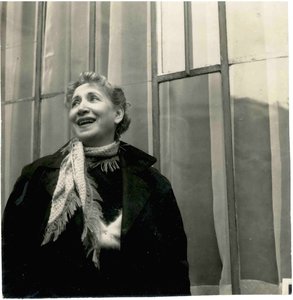
Dolores Soldevilla Nieto
1901 - 1971 , Cuba
Quick Facts
- Artistic Movement Or Style: Concrete art, Geometric abstraction
- Artists Or Movements Influenced By This Artist: ['Cuban Concretismo']
- Artists Who Influenced This Artist: ['European avant-garde']
- Date Of Birth: 1901
- Date Of Death: 1971
- Full Name: Dolores Soldevilla Nieto
- Nationality: Cuban
- Notable Artworks:
- Camino convergentes
- Untitled
- Triptico
- Other Names:
- Loló Soldevilla
- Lolo Soldevilla
- Place Of Birth: Havana, Cuba
Related Articles
Geometric Abstraction's 10 Defining Masterpieces | Art for Your Home - ArtsDot
Explore 10 defining masterpieces of Geometric Abstraction! Discover Kandinsky, Mondrian & Malevich’s iconic works. Find museum-quality art reproductions and curated decor ideas to elevate your home at ArtsDot.com.
Kandinsky's Masterpieces: 25 Paintings That Define Abstract Art | ArtsDot
Journey through Wassily Kandinsky's 25 most iconic abstract paintings. Explore his revolutionary use of color, form & spiritual expressionism. Find museum-quality Kandinsky reproductions and elevate your home decor with ArtsDot.com. Discover all masterpieces on ArtsDot.com!
Beyond Form & Color: Geometric Abstraction's Evolution in 20th/21st Century Art
Explore the evolution of geometric abstraction from Cubism to contemporary art. Discover key artists like Malevich & Mondrian, investment insights, and expert collecting advice at ArtsDot.
Beyond Form & Color: Geometric Abstraction's Enduring Legacy in Art History
Explore the captivating world of geometric abstraction! Discover its origins, key artists like Malevich & Mondrian, and why this movement remains highly valued by art collectors today. Expert insights at ArtsDot.
Abstract Expressionism's 10 Defining Masterpieces |
Explore 10 defining Abstract Expressionism masterpieces by Pollock, Rothko & de Kooning. Discover the stories behind these iconic paintings and find museum-quality art reproductions to elevate your home decor on .