

 Preview
 Send
Send Share
Share
 Details

 Download
 Similars
 X-Ray
X-Ray Diaporama
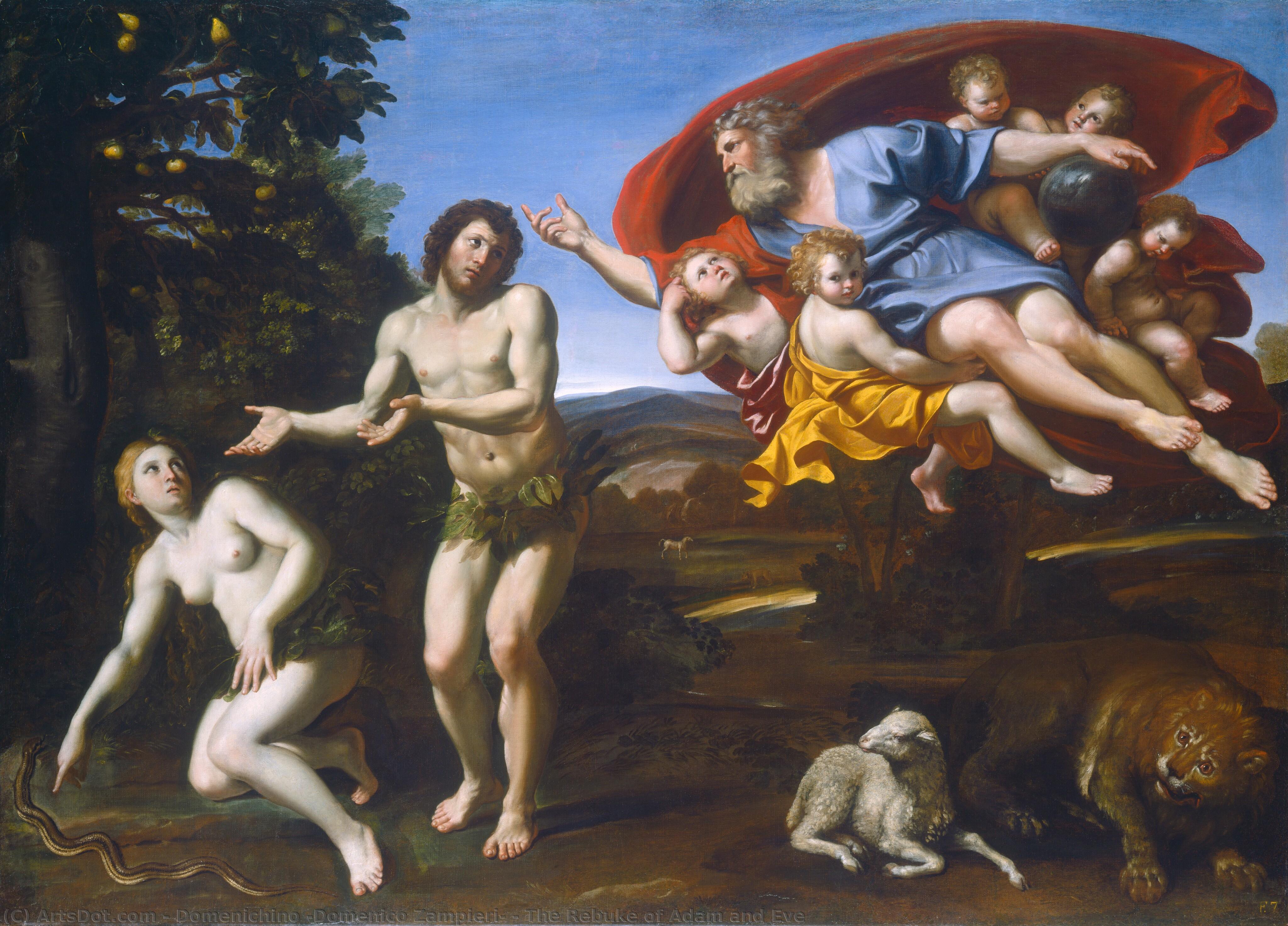
The Rebuke of Adam and Eve
 1626
1626 158.0 x 205.0 cm
 Read More
Purchase a high-resolution, enhanced digital image, far superior to the online preview.
Each file is meticulously prepared by our in-house specialists using advanced tools and expert manual retouching. We ensure every image has exceptional clarity, precise color accuracy, and fine detail.
The final file is delivered via email within 72 hours, optimized for immediate use in professional, editorial, and print environments. This is the same quality trusted by top-tier design studios, publishers, and galleries.
Digital Image
Download a high-resolution file for personal display, printing, and creative projects. ( Buy Print Buy Hand Made Painting)
Included in Every Digital Image Order
Expert Digital Delivery, Guaranteed
When you choose ArtsDot.com, you're not just getting an image - you're receiving a professionally enhanced digital artwork, crafted with precision and backed by a satisfaction guarantee. Here's everything that comes with your order, automatically:

Fast Email Delivery
Your high-resolution digital image file will be emailed to you within 72 hours of ordering - ready for immediate use.

AI-Enhanced Digital File
Your artwork is professionally optimized using advanced AI tools and manual editing, ensuring maximum detail, clarity, and color accuracy.

Free Lifetime Re-Delivery
Accidentally deleted or lost your file? No worries - we'll resend it to you anytime, free of charge.

No Import Fees - Ever
Enjoy your artwork instantly with zero customs, duties, or delivery fees - digital downloads are always tax-free.

Color Accuracy Guarantee
We ensure your digital image reflects the original colors as closely as possible using professional tools and color management.

60-Day Satisfaction Guarantee
If you're not satisfied with your digital image, we'll revise it or refund 100% within 60 days - no questions asked.

100% Money-Back Guarantee
Not satisfied? Get a full refund within 60 days of receiving your digital file - no questions asked.

Bulk Order Discounts
Buy 3 images, save 10% - Buy 5, save 15% - Buy 10+, save 20%. Great for creative projects, galleries, and agencies.
Related Artworks








Artist Biography
Domenichino (Domenico Zampieri): A Bolognese Baroque Visionary
Domenichino, born Domenico Zampieri in Bologna around 1581, stands as a cornerstone of Bolognese Baroque art – a movement characterized by dramatic contrasts of light and shadow, opulent ornamentation, and an idealized depiction of human emotion. His formative years were steeped in the artistic fervor of his time, absorbing the legacy of Raphael and Michelangelo while simultaneously forging his own distinctive style that would solidify his reputation as one of Bologna’s foremost painters. Though biographical details remain somewhat sparse, scholarly research suggests he honed his skills under Raffaele Spagnuolo, a master of tenebrism – a technique championed by Caravaggio – which profoundly impacted Domenichino's artistic approach.- Early Career & Apprenticeship: Zampieri began his artistic journey as an apprentice to Spagnuolo, immersing himself in the expressive power of chiaroscuro and mastering the art of conveying profound psychological depth through masterful brushwork.
- Carracci Workshop Influence: Domenichino’s association with Caravaggio's studio proved pivotal; he absorbed Caravaggio’s revolutionary realism and dramatic theatricality, adapting these principles to his own compositions.
- Rome & Patronage: By the mid-1620s, Domenichino relocated to Rome, securing commissions from influential patrons like Cardinal Scipione Borghese and Palazzo Farnese, where he created monumental frescoes that showcased his unparalleled skill in capturing grandeur and emotion.
Stylistic Characteristics & Artistic Technique
Domenichino’s artistic style is instantly recognizable for its refined elegance and masterful execution. Unlike the turbulent dynamism of Caravaggio, Domenichino favored a more measured pace, prioritizing clarity of form and harmonious color palettes. However, he retained Caravaggio's commitment to dramatic lighting – tenebrism – skillfully manipulating light and dark to heighten emotional impact and sculpt figures with breathtaking realism. His brushwork was characterized by meticulous detail and subtle gradations of tone, creating surfaces that shimmered with luminosity and conveyed an astonishing sense of depth. He excelled in portraying both mythological subjects and religious scenes, consistently demonstrating a profound understanding of classical ideals and humanist sensibilities.- Tenebrism: Domenichino skillfully employed tenebrism to create dramatic contrasts between light and dark, emphasizing emotional intensity and sculptural form.
- Color Palette: His color palettes were restrained yet luminous, favoring muted hues that complemented the overall mood of his paintings.
- Brushwork & Texture: Domenichino’s meticulous brushwork achieved remarkable textural effects, conveying a palpable sense of physicality and realism.
Notable Works & Achievements
Domenichino's artistic output spanned across numerous prestigious commissions, leaving an indelible mark on the Baroque landscape. Among his most celebrated achievements are the frescoes adorning Palazzo Farnese in Rome – specifically the Sala di Amore e Psiche and the Sala dei Giganti – which exemplify his mastery of monumental painting and embody the humanist ideals of the era. His depictions of Apollo killing the Cyclops and Mary Magdalene Taken up to Heaven stand as testaments to his ability to convey mythological narratives with profound psychological insight and artistic virtuosity. Furthermore, Domenichino’s contribution to the San Domenico Museum in Orvieto is noteworthy for its depiction of Saint Thomas Aquinas, showcasing his talent for capturing spiritual contemplation and conveying solemn beauty.Legacy & Historical Significance
Domenichino's influence extended far beyond his immediate contemporaries, shaping the artistic sensibilities of subsequent generations. He helped to establish Bolognese Baroque as a dominant force in European art, elevating it to new heights of sophistication and expressive power. His unwavering dedication to classical ideals combined with Caravaggio’s revolutionary realism resulted in an artistic style that continues to inspire admiration and scholarly study today. Domenichino's legacy resides not only in his magnificent artworks but also in his role as a pivotal figure in the development of Baroque painting – a movement that profoundly impacted the visual culture of its time and beyond.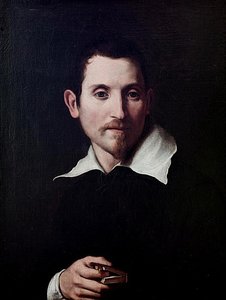
domenichino (domenico zampieri)
1581 - 1641 , Italy
Quick Facts
- Artistic Movement Or Style: Baroque
- Artists Who Influenced This Artist:
- Caravaggio
- Annibale Carracci
- Date Of Birth: 1581
- Full Name: domenico zampieri
- Nationality: Italian
- Notable Artworks:
- Apollo killing the Cyclops
- The Transformation of Cyparissus
- Mary Magdalene Taken up to Heaven
- Place Of Birth: Bologna, Italy

