

 Preview
 Send
Send Share
Share
 Details

 Download
 Similars
 X-Ray
X-Ray Diaporama
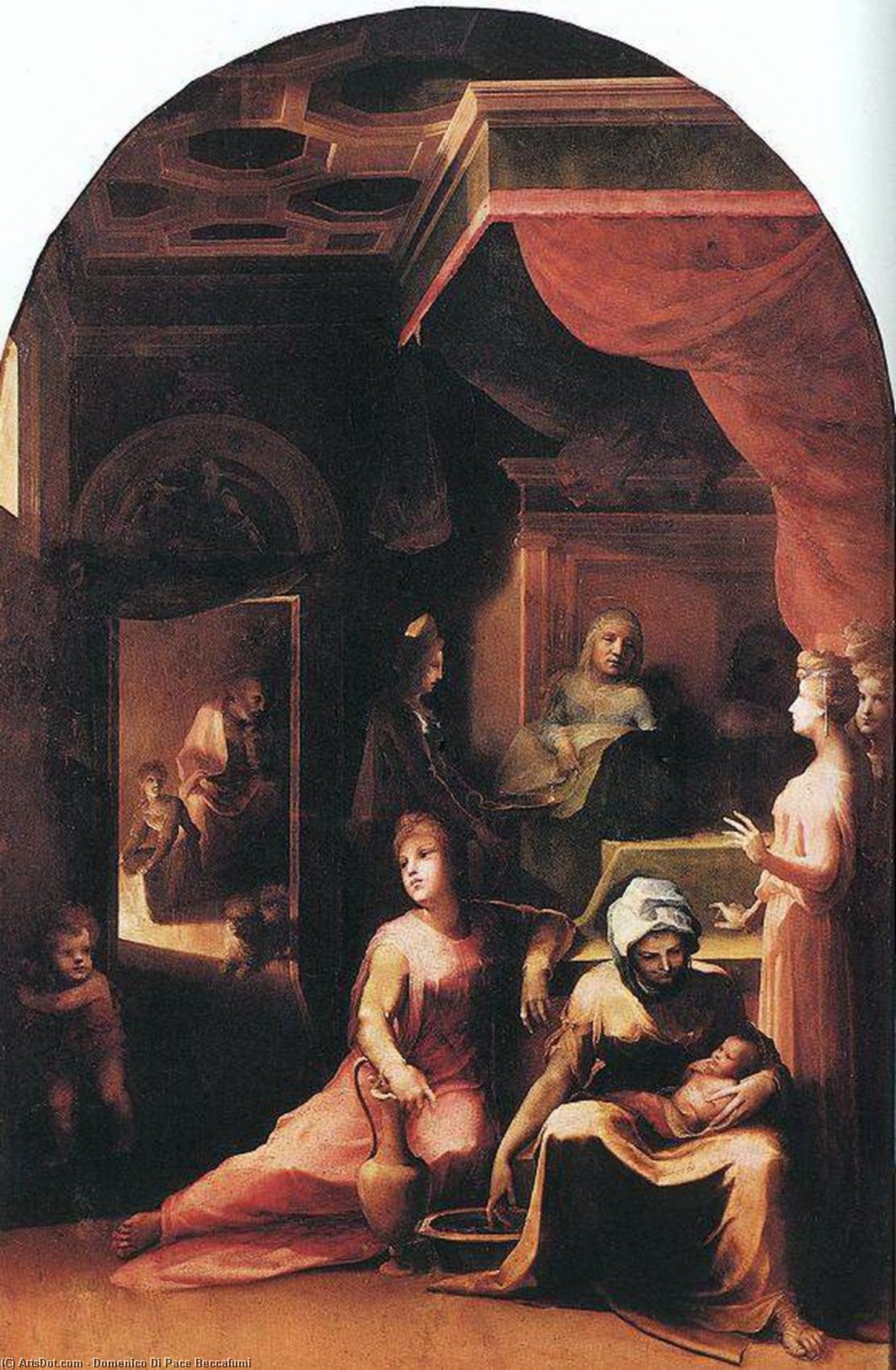
Birth of the Virgin
 Oil On Canvas
- WallArt
- Renaissance
 1543
1543- Renaissance
 233.0 x 145.0 cm
 Accademia
 Read More
Purchase a high-resolution, enhanced digital image, far superior to the online preview.
Each file is meticulously prepared by our in-house specialists using advanced tools and expert manual retouching. We ensure every image has exceptional clarity, precise color accuracy, and fine detail.
The final file is delivered via email within 72 hours, optimized for immediate use in professional, editorial, and print environments. This is the same quality trusted by top-tier design studios, publishers, and galleries.
Digital Image
Download a high-resolution file for personal display, printing, and creative projects. ( Buy Print Buy Hand Made Painting)
Included in Every Digital Image Order
Expert Digital Delivery, Guaranteed
When you choose ArtsDot.com, you're not just getting an image - you're receiving a professionally enhanced digital artwork, crafted with precision and backed by a satisfaction guarantee. Here's everything that comes with your order, automatically:

Fast Email Delivery
Your high-resolution digital image file will be emailed to you within 72 hours of ordering - ready for immediate use.

AI-Enhanced Digital File
Your artwork is professionally optimized using advanced AI tools and manual editing, ensuring maximum detail, clarity, and color accuracy.

Free Lifetime Re-Delivery
Accidentally deleted or lost your file? No worries - we'll resend it to you anytime, free of charge.

No Import Fees - Ever
Enjoy your artwork instantly with zero customs, duties, or delivery fees - digital downloads are always tax-free.

Color Accuracy Guarantee
We ensure your digital image reflects the original colors as closely as possible using professional tools and color management.

60-Day Satisfaction Guarantee
If you're not satisfied with your digital image, we'll revise it or refund 100% within 60 days - no questions asked.

100% Money-Back Guarantee
Not satisfied? Get a full refund within 60 days of receiving your digital file - no questions asked.

Bulk Order Discounts
Buy 3 images, save 10% - Buy 5, save 15% - Buy 10+, save 20%. Great for creative projects, galleries, and agencies.
Collectible Description
A Vision of Divine Domesticity
In the quiet, opulent corridors of the Italian Renaissance, few works capture the tender intersection of the sacred and the mundane as exquisitely as Domenico Beccafumi’s "Birth of the Virgin." Painted in 1543, this masterpiece transcends a mere historical depiction, inviting the viewer into a richly layered world where the miraculous enters the domestic sphere. The scene unfolds within an architectural setting of profound grandeur, where the warmth of golds, deep reds, and earthy browns creates an atmosphere of intimate sanctity. As one gazes upon the canvas, the eye is immediately drawn to the central group of figures—a delicate choreography of motherhood and care. The soft light, a hallmark of Becculmi’s Sienese mastery, bathes the nursing mother and the infant in a luminous glow, suggesting that even within the private confines of a noble household, the divine presence is palpably felt.
Beccafumi, a visionary who bridged the gap between the High Renaissance and the expressive complexities of Mannerism, utilizes a sophisticated technique to breathe life into this composition. Through the masterful application of sfumato, he softens the edges of faces and drapery, allowing forms to emerge from the shadows with a dreamlike fluidity. This is complemented by a dramatic use of chiaroscuro, where sharp contrasts between light and dark define the volume of the figures and the depth of the architectural recesses. The texture of the oil paint itself seems to pulse with life; while skin tones appear smooth and ethereal, the heavier brushstrokes in the background shadows add a tactile richness that grounds the celestial subject matter in a tangible reality. For the discerning collector, this interplay of light and shadow offers a dynamic visual experience that changes beautifully depending on the ambient lighting of a room.
Symbolism and the Sienese Legacy
Beyond its aesthetic splendor, "Birth of the Virgin" serves as a profound meditation on lineage, piety, and social grace. The composition is meticulously structured to guide the viewer through a narrative of continuity. The architectural elements—the receding columns and framed vistas—do more than provide depth; they act as a stage for a ritualized display of familial bonds. Every figure, from the observant attendants to the man positioned in the periphery, contributes to a sense of communal witness to a holy event. The inclusion of subtle details, such as the partially visible portrait in the background, adds layers of historical and personal intrigue, suggesting a world where art, family, and faith are inextricably linked.
For interior designers and lovers of classical art, this painting offers an unparalleled sense of prestige and emotional depth. It is not merely a decorative object but a window into a period of unparalleled human achievement. A high-quality reproduction of this work brings with it the weight of history and the warmth of the Sienese tradition, making it a commanding centerpiece for any sophisticated space. Whether placed in a sunlit gallery or a moody, library-style study, Beccafumi’s work commands attention, evoking a sense of peace, reverence, and timeless elegance that continues to resonate centuries after its creation.
Related Artworks

Artist Biography
A Sienese Visionary: The Life and Art of Domenico Beccafumi
Domenico di Pace Beccafumi, a name that resonates less immediately than those of his Florentine contemporaries, nonetheless occupies a pivotal position in the narrative of Italian Renaissance art. Born around 1486 in the small Tuscan town of Montaperto, near Siena, Beccafumi’s artistic journey was one of remarkable development, culminating in a style that bridged the High Renaissance and the burgeoning complexities of Mannerism. His story isn't simply about technical skill; it is about a deeply individual vision—a sensibility steeped in the traditions of his Sienese heritage yet boldly reaching towards new expressive possibilities. His origins were humble: the son of a peasant, Giacomo di Pace, his talent was recognized by Lorenzo Beccafumi, who adopted him and provided for his initial artistic training with Mechero, a local Sienese artist. This early grounding in the Sienese school would prove foundational, even as he ventured beyond its established conventions. The Sienese tradition, already diverging from the classical ideals embraced elsewhere in Italy, fostered an environment where emotional intensity and decorative detail were valued, qualities that would become hallmarks of Beccafumi’s unique style.Rome and the Forging of a Unique Style
Around 1509, Beccafumi journeyed to Rome, a transformative moment exposing him to the artistic ferment of the papal city. He encountered the groundbreaking works of Raphael and Michelangelo, absorbing their innovations in composition, anatomy, and dramatic expression. However, unlike many artists who sought to directly emulate these masters, Beccafumi synthesized these influences through his own distinct lens. He didn’t simply *copy* the Roman style; he filtered it through a pre-existing Sienese aesthetic—one characterized by a certain provincialism, an emphasis on decorative detail, and a lingering medieval sensibility. Upon returning to Siena, this synthesis began to manifest in a style increasingly his own. It was a style marked by irrationality, emotional intensity, and a captivating visual experience achieved through discordant colors and hallucinatory settings. His paintings weren’t merely representations of reality; they were explorations of inner states, imbued with a sense of unease and psychological depth. This departure from the harmonious balance of High Renaissance ideals signaled his embrace of Mannerism, though he remained distinctly apart from its more widespread trends.Masterworks and Artistic Innovations
Beccafumi’s artistic output was diverse, encompassing painting, sculpture, mosaic design, and printmaking. Among his most celebrated achievements are the frescoes in the Oratory of St. Benedict in Siena, a testament to his narrative skill and expressive power. The Trinity Triptych, housed in the Pinacoteca Nazionale di Siena, showcases his mastery of oil painting and his ability to convey religious devotion with both grandeur and intimacy. The Annunciation, also at the Pinacoteca Nazionale, exemplifies his distinctive use of color and composition, creating a scene that is both serene and subtly unsettling. However, perhaps his most ambitious undertaking was his direction of the pavement for Siena Cathedral between 1517 and 1544. This monumental project involved intricate designs inlaid with marble and mosaics, depicting scenes from biblical stories—Ahab, Elijah, Melchisedec, Abraham, and Moses among them. Beccafumi not only designed these scenes but also innovated the technical processes used in their creation, demonstrating his remarkable versatility as an artist and craftsman. His skill extended to printmaking, where he excelled in both engraving and woodcut, further expanding his artistic reach. These prints allowed for wider dissemination of his style and ideas, influencing artists beyond Siena’s borders.Legacy: The Last of the Sienese School
Domenico Beccafumi died in Siena in 1551, marking a symbolic end to the city’s long and distinguished tradition of painting. He is rightfully regarded as the last significant representative of the Sienese school, preserving its unique aesthetic qualities while simultaneously anticipating the developments of Mannerism. His work stands apart from the more harmonious compositions of the High Renaissance, embracing instead a sense of emotional tension, instability, and expressive distortion. This willingness to challenge conventional norms foreshadowed later trends in art, influencing subsequent generations with its innovative techniques and psychological depth. Beccafumi’s legacy is not simply as a painter but as a visionary who dared to explore the boundaries of artistic expression, leaving behind a body of work that continues to captivate and intrigue viewers today. He remains a compelling figure, a testament to the enduring power of individual vision within the broader currents of art history.- Key Characteristics of Beccafumi’s Style:
- Misty, Non-Linear Quality: His paintings often possess an ethereal quality, with forms appearing to dissolve into a hazy atmosphere.
- Jagged Lines and Primal Coloration: Beccafumi favored sharp, angular lines and a bold, unconventional use of color that departed from the more balanced palettes of his contemporaries.
- Emotional Tension and Instability: A pervasive sense of unease and psychological complexity characterizes his work, reflecting a departure from the classical ideals of harmony and proportion.
- Sienese Tradition with Mannerist Influences: He skillfully blended the decorative elements and emotional intensity of the Sienese school with the emerging stylistic features of Mannerism.
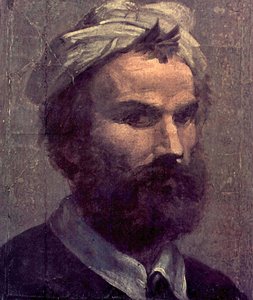
domenico di pace beccafumi
1486 - 1551 , Italy
Quick Facts
- Artistic Movement Or Style: Mannerism, Renaissance
- Artists Or Movements Influenced By This Artist: ['Mannerism']
- Artists Who Influenced This Artist:
- Raphael
- Michelangelo
- Date Of Birth: c. 1486
- Date Of Death: May 18, 1551
- Full Name: Domenico di Pace Beccafumi
- Nationality: Italian
- Notable Artworks:
- Trinity Triptych
- The Annunciation
- Transit of the Virgin
- Continence of Scipio
- Place Of Birth: Montaperto, Italy

