

 Preview
 Send
Send Share
Share
 Details

 Download
 Similars
 X-Ray
X-Ray Diaporama
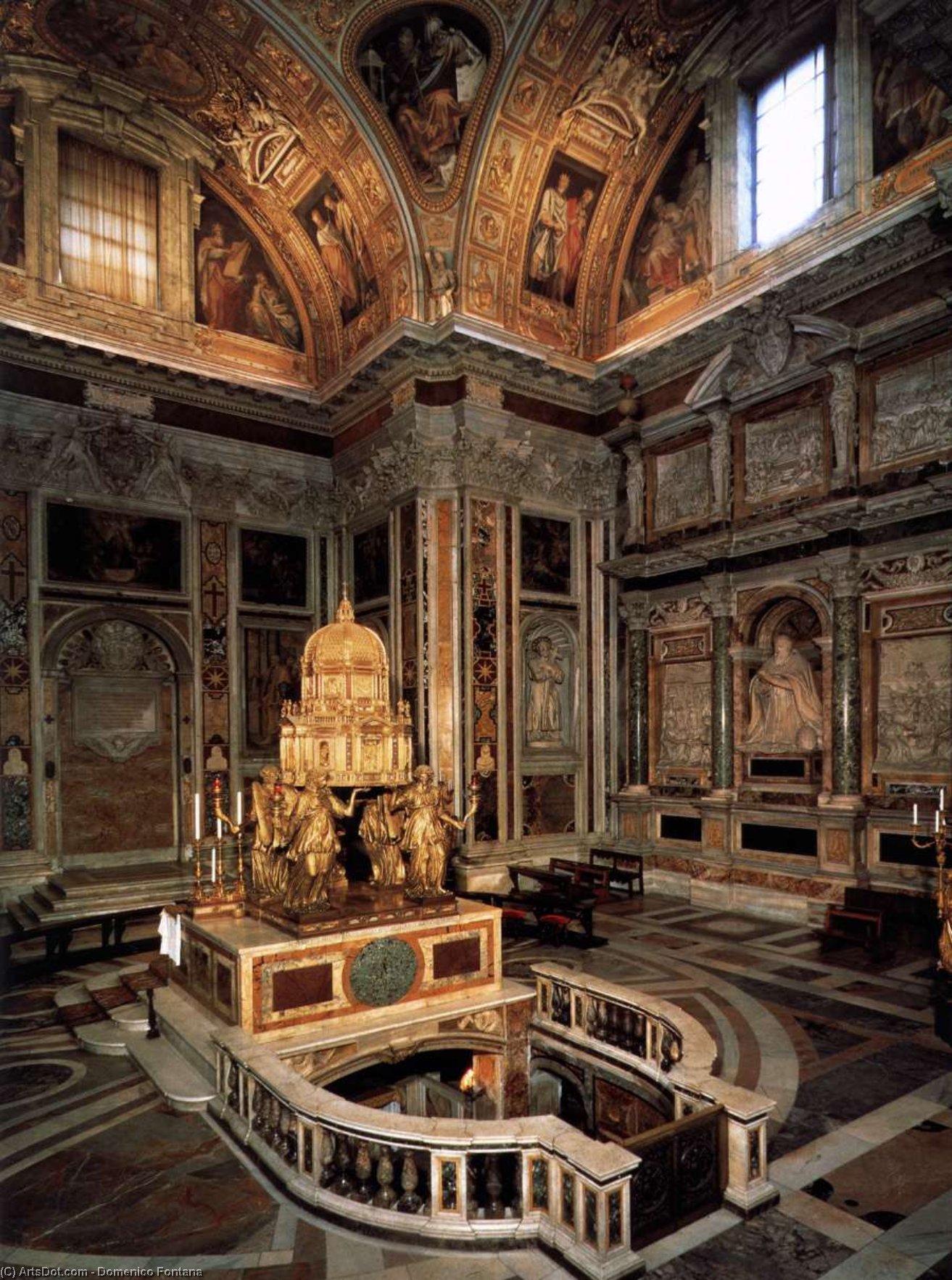
View of the Sistine Chapel


 Read More
Purchase a high-resolution, enhanced digital image, far superior to the online preview.
Each file is meticulously prepared by our in-house specialists using advanced tools and expert manual retouching. We ensure every image has exceptional clarity, precise color accuracy, and fine detail.
The final file is delivered via email within 72 hours, optimized for immediate use in professional, editorial, and print environments. This is the same quality trusted by top-tier design studios, publishers, and galleries.
Digital Image
Download a high-resolution file for personal display, printing, and creative projects. ( Buy Print Buy Hand Made Painting)
Included in Every Digital Image Order
Expert Digital Delivery, Guaranteed
When you choose ArtsDot.com, you're not just getting an image - you're receiving a professionally enhanced digital artwork, crafted with precision and backed by a satisfaction guarantee. Here's everything that comes with your order, automatically:

Fast Email Delivery
Your high-resolution digital image file will be emailed to you within 72 hours of ordering - ready for immediate use.

AI-Enhanced Digital File
Your artwork is professionally optimized using advanced AI tools and manual editing, ensuring maximum detail, clarity, and color accuracy.

Free Lifetime Re-Delivery
Accidentally deleted or lost your file? No worries - we'll resend it to you anytime, free of charge.

No Import Fees - Ever
Enjoy your artwork instantly with zero customs, duties, or delivery fees - digital downloads are always tax-free.

Color Accuracy Guarantee
We ensure your digital image reflects the original colors as closely as possible using professional tools and color management.

60-Day Satisfaction Guarantee
If you're not satisfied with your digital image, we'll revise it or refund 100% within 60 days - no questions asked.

100% Money-Back Guarantee
Not satisfied? Get a full refund within 60 days of receiving your digital file - no questions asked.

Bulk Order Discounts
Buy 3 images, save 10% - Buy 5, save 15% - Buy 10+, save 20%. Great for creative projects, galleries, and agencies.
Related Artworks








Artist Biography
Domenico Fontana: Architect of Rome’s Grand Vision
Domenico Fontana, a name often overshadowed by the titans of the High Renaissance, stands as a pivotal figure in 16th-century Italian architecture and engineering. Born in Melide, a small village nestled on the shores of Lake Lugano in Switzerland – a region then caught between Swiss cantons and Italy – in 1543, Fontana’s life was one of relentless innovation and service to the Papal States. He wasn't merely an architect; he was a master builder, a surveyor, a hydraulic engineer, and a key player in shaping the visual landscape of Rome and beyond. His legacy isn’t found in flamboyant palaces or instantly recognizable facades, but rather in the subtle yet profound impact he had on the city’s infrastructure and monumental projects – from the awe-inspiring Vatican obelisk to the intricate fountains that graced its squares.
Fontana's early career began humbly, as a plasterer and mason. This foundational experience instilled within him an understanding of materials and construction techniques that would later prove invaluable. He honed his skills in Rome before the death of Michelangelo, immersing himself in the architectural principles of the past while simultaneously embracing new approaches. His initial commissions were modest – designing villas for wealthy patrons like Cardinal Montalto – but these early projects laid the groundwork for a career defined by ambition and technical mastery. Crucially, Fontana’s meticulous approach to surveying and measurement, combined with his practical engineering skills, allowed him to tackle increasingly complex challenges.
The Engineering of Grandeur: The Vatican Obelisk
Fontana's most celebrated achievement – and arguably the defining moment of his career – was the relocation of the colossal Vatican obelisk in 1586. This wasn’t simply moving a massive stone monument; it was an audacious feat of engineering that pushed the boundaries of what was considered possible at the time. The obelisk, brought from Egypt centuries earlier, stood precariously close to St. Peter's Basilica, casting a significant shadow on the burgeoning square. Pope Sixtus V commissioned Fontana to relocate the monument, and the task presented an extraordinary logistical puzzle.
Fontana’s plan involved constructing a massive scaffolding system – a marvel of timber and rope technology – capable of lifting the 320-ton obelisk onto a wheeled gurney. The operation required the coordinated efforts of over 800 men, hundreds of horses, and an intricate network of pulleys and levers. The sheer scale of the undertaking demanded meticulous planning and unwavering precision. Fontana documented the entire process in his detailed treatise, *Della trasportatione dell’obelisco vaticano* (On the Transportation of the Vatican Obelisk), a testament to his engineering prowess and organizational skills. The success of this project cemented Fontana's reputation as a visionary engineer and a key figure in shaping the urban fabric of Rome.
Fountains and Civic Pride: A Watery Legacy
Beyond the obelisk, Fontana’s influence is particularly evident in Rome’s magnificent fountains. He was commissioned to design several prominent water features, each reflecting his understanding of both aesthetics and hydraulic engineering. The *Fontana dell'Acqua Felice* (Fountain of Moses), built for Pope Sixtus V, stands as a prime example. This monumental fountain, located near Largo Santa Susanna, is not merely a decorative element; it’s a sophisticated piece of urban infrastructure that serves as the terminus of the Acqua Felice aqueduct. The fountain's iconography – featuring statues of Moses and other biblical figures – served to reinforce the Pope’s authority and connect Rome’s water supply with divine providence.
Fontana’s designs for fountains weren’t simply about providing water; they were about creating public spaces that enhanced civic pride. He skillfully integrated these features into the city's layout, transforming previously neglected areas into vibrant centers of activity. His work demonstrates a keen awareness of the interplay between architecture, engineering, and social function – a hallmark of his approach to all his projects.
Later Years and Architectural Contributions
Following Sixtus V’s death, Fontana continued to serve successive Popes, adapting his skills to the evolving needs of the Papal court. He played a significant role in the reconstruction of St. Peter's Basilica, contributing to the design of its dome and interior spaces. He also oversaw architectural projects at the Lateran Palace and the Quirinal Palace, applying his signature style – characterized by restrained elegance and structural integrity – to these grand civic buildings. Despite his continued success, Fontana faced increasing criticism for his perceived lack of imagination and adherence to established conventions. He was ultimately dismissed from his position as Architect of St. Peter’s in 1607, a testament to the complex political dynamics of the Papal court.
Domenico Fontana died in Naples in 1607, leaving behind a legacy that extends far beyond any single monument or project. He was a true Renaissance man – an architect, engineer, surveyor, and innovator who profoundly shaped the visual and infrastructural landscape of Rome and left an indelible mark on Italian history.

domenico fontana
1543 - 1607 , Switzerland
Quick Facts
- Artistic Movement Or Style: Late Renaissance
- Artists Or Movements Influenced By This Artist: ['Renaissance architecture']
- Artists Who Influenced This Artist: ['Jacopo Barozzi da Vignola']
- Date Of Birth: 1543
- Date Of Death: 1607
- Full Name: Domenico Fontana
- Nationality: Italian
- Notable Artworks:
- Fontana dell'Acqua Felice
- Vatican obelisk
- Lateran Palace
- Place Of Birth: Melide, Switzerland

