

 Preview
 Send
Send Share
Share
 Details

 Download
 Similars
 X-Ray
X-Ray Diaporama
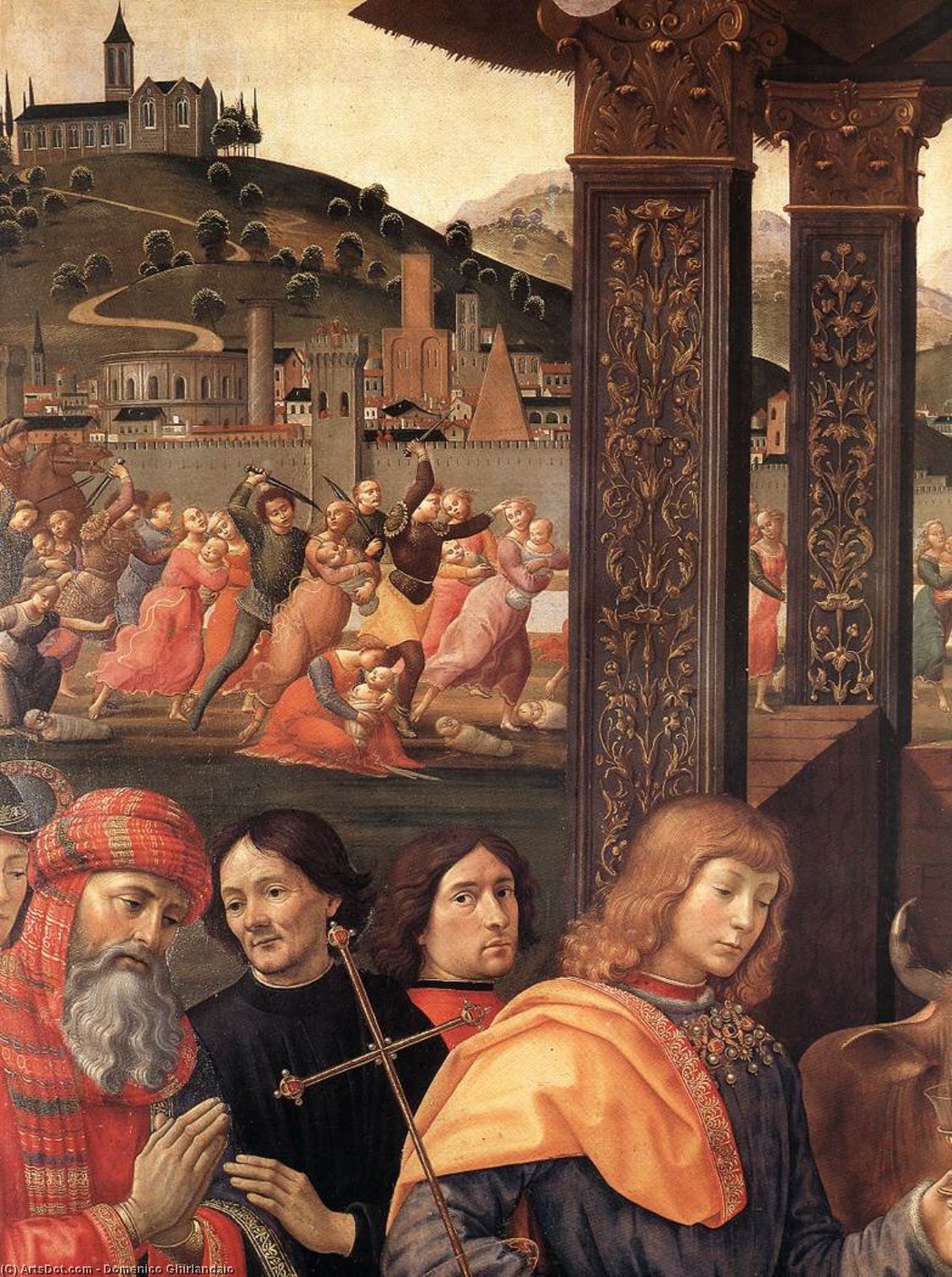
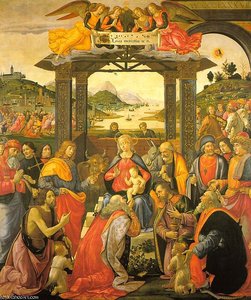
Adoration of the Magi (detail)


 Read More
Purchase a high-resolution, enhanced digital image, far superior to the online preview.
Each file is meticulously prepared by our in-house specialists using advanced tools and expert manual retouching. We ensure every image has exceptional clarity, precise color accuracy, and fine detail.
The final file is delivered via email within 72 hours, optimized for immediate use in professional, editorial, and print environments. This is the same quality trusted by top-tier design studios, publishers, and galleries.
Digital Image
Download a high-resolution file for personal display, printing, and creative projects. ( Buy Print Buy Hand Made Painting)
Included in Every Digital Image Order
Expert Digital Delivery, Guaranteed
When you choose ArtsDot.com, you're not just getting an image - you're receiving a professionally enhanced digital artwork, crafted with precision and backed by a satisfaction guarantee. Here's everything that comes with your order, automatically:

Fast Email Delivery
Your high-resolution digital image file will be emailed to you within 72 hours of ordering - ready for immediate use.

AI-Enhanced Digital File
Your artwork is professionally optimized using advanced AI tools and manual editing, ensuring maximum detail, clarity, and color accuracy.

Free Lifetime Re-Delivery
Accidentally deleted or lost your file? No worries - we'll resend it to you anytime, free of charge.

No Import Fees - Ever
Enjoy your artwork instantly with zero customs, duties, or delivery fees - digital downloads are always tax-free.

Color Accuracy Guarantee
We ensure your digital image reflects the original colors as closely as possible using professional tools and color management.

60-Day Satisfaction Guarantee
If you're not satisfied with your digital image, we'll revise it or refund 100% within 60 days - no questions asked.

100% Money-Back Guarantee
Not satisfied? Get a full refund within 60 days of receiving your digital file - no questions asked.

Bulk Order Discounts
Buy 3 images, save 10% - Buy 5, save 15% - Buy 10+, save 20%. Great for creative projects, galleries, and agencies.
A Florentine Masterpiece: Exploring Domenico Ghirlandaio’s “Adoration of the Magi”
The Spedale degli Innocenti in Florence stands as a testament to Renaissance patronage and artistic ambition, housing one of Domenico Ghirlandaio's most celebrated works – "Adoration of the Magi." Painted in 1488, this monumental tempera on wood panel transcends mere depiction; it embodies the spirit of its time and continues to captivate viewers centuries later. Examining its intricate details reveals not only Ghirlandaio’s exceptional skill but also a profound understanding of religious iconography and humanist ideals.The Scene Unfolds: Composition and Narrative
Ghirlandaio meticulously crafted a scene brimming with narrative complexity. At the heart of the composition are three figures – the Magi – reverently kneeling before the infant Jesus Christ, cradled by Mary. This depiction aligns perfectly with biblical accounts of the Epiphany, commemorating the arrival of the Wise Men bearing gifts to honor the newborn King. The arrangement is carefully balanced, drawing the eye upwards towards Christ and downwards towards Mary’s serene gaze. Surrounding them are bustling figures representing Florentine citizens, adding a vibrant layer of realism to the spiritual drama. Ghirlandaio skillfully utilizes perspective—though rudimentary by modern standards—to create depth and convey the grandeur of the Spedale's chapel space.Technique and Style: Renaissance Precision
Ghirlandaio’s mastery lies in his masterful application of tempera paint on wood panel, a technique favored during the High Renaissance. Tempera pigments – consisting of finely ground pigment mixed with egg yolk – produce luminous colors and remarkable durability. The artist employed meticulous layering techniques, building up translucent glazes to achieve subtle gradations of tone and texture. This painstaking process allowed for unparalleled precision in capturing anatomical detail and conveying emotional nuance—particularly evident in the expressions of Mary and Jesus. Ghirlandaio’s style reflects the humanist influence prevalent during his era, prioritizing naturalism alongside spiritual contemplation. He skillfully captures the human form with grace and accuracy, mirroring the Renaissance fascination with classical ideals of beauty and proportion.Symbolism: Layers of Meaning Beyond Faith
“Adoration of the Magi” is replete with symbolic references that enrich its theological significance. The Magi’s opulent robes—red, blue, and green—represent royalty and divine authority, symbolizing the universality of Christ's kingship. The gifts they bring – frankincense, myrrh, and gold – symbolize spiritual enlightenment, sacrificial atonement, and earthly riches respectively. Mary’s posture exudes maternal piety and humility, embodying the Virgin Mother’s role as intermediary between God and humanity. Furthermore, the cityscape backdrop serves as a reminder of Florence itself—a city striving for artistic excellence and civic pride under Lorenzo de Medici's rule. Ghirlandaio subtly elevates the scene beyond a simple retelling of scripture, inviting viewers to contemplate themes of faith, humility, and divine grace.Emotional Resonance: A Window into Renaissance Spirituality
The painting’s enduring appeal stems from its ability to evoke profound emotional responses. The serene expressions of Mary and Jesus convey tenderness and compassion—a palpable connection between mother and child that transcends time. The solemn reverence displayed by the Magi underscores the importance of piety and devotion. Ghirlandaio's masterful use of light and shadow enhances the dramatic impact, creating a visual experience that is both aesthetically pleasing and spiritually uplifting. Viewing “Adoration of the Magi” offers a glimpse into the Renaissance worldview—a belief in human potential coupled with unwavering faith—leaving an indelible impression on anyone who contemplates its beauty and complexity.Related Artworks
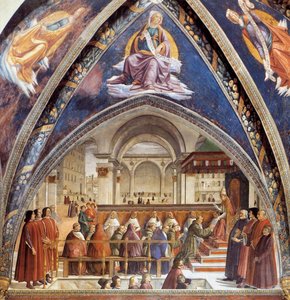
![Legend Of St Francis - [21] - Apparition To Fra Agostino And To Bishop Guido Of Arezzo — Giotto Di Bondone, Proto-renaissance](/media/artworks/images-thumb/8a/06/8a0632ef03ba49f12919faa78718a88b.jpg)
Artist Biography
A Florentine Garland: The Life and Art of Domenico Ghirlandaio
Domenico di Tommaso Curradi di Doffo Bigordi, known to history as Domenico Ghirlandaio, emerged from the vibrant artistic landscape of Florence in 1449. His very nickname, “Il Ghirlandaio” – the garland-maker – speaks volumes about his origins and early influences. It wasn’t a reference to floral arrangements but rather to the exquisite, jewel-like headdresses crafted by his father, a goldsmith, that adorned Florentine women of the era. This familial connection to craftsmanship instilled in young Domenico an appreciation for detail, precision, and the beauty of ornamentation – qualities that would profoundly shape his artistic vision. Initially apprenticed to his father, learning the intricacies of metalwork, he soon transitioned to painting under Alesso Baldovinetti, absorbing the techniques of fresco and mosaic that defined Florentine art. Some scholars also suggest a formative period with Andrea del Verrocchio, placing him amongst a generation of masters who would redefine Renaissance aesthetics.Bridging the Sacred and the Secular
Ghirlandaio’s artistic prowess lay in his remarkable ability to seamlessly blend religious narrative with contemporary life. He didn't populate biblical scenes with idealized figures from antiquity; instead, he populated them with recognizable Florentines – merchants, townsfolk, even members of the patron families themselves. This innovative approach brought a startling realism and immediacy to his work, grounding the sacred in the everyday world. His workshop, a bustling hub of creativity, included not only his brothers Davide and Benedetto but also his brother-in-law Sebastiano Mainardi and, most famously, the young Michelangelo Buonarroti. The sheer efficiency and productivity of this studio allowed Ghirlandaio to undertake large-scale commissions that cemented his reputation as one of Florence’s leading artists. Notable examples include the stunning fresco cycles in the Sassetti Chapel of Santa Trinita (1482-1485), a vibrant tapestry of biblical stories interwoven with scenes of Florentine commerce and society, and the *Apotheosis of St. Zenobius* in the Palazzo Vecchio, showcasing his mastery of perspective and composition.Rome and the Sistine Chapel
The pinnacle of Ghirlandaio’s career arrived in 1481 with a summons to Rome from Pope Sixtus IV. The pontiff sought to assemble a team of Florence's most talented artists – including Botticelli, Perugino, and Rossetti – to decorate the walls of the newly constructed Sistine Chapel. Ghirlandaio’s contribution was *The Vocation of the Apostles*, a dynamic scene depicting Christ calling Peter and Andrew to follow him. While overshadowed by Michelangelo’s later ceiling frescoes, Ghirlandaio's work in the chapel demonstrates his skill in narrative storytelling and his ability to create compelling compositions filled with expressive figures. It also provided a crucial learning experience for the young Michelangelo, who observed Ghirlandaio’s techniques firsthand, absorbing lessons that would inform his own artistic development.Legacy of Realism and Influence
Domenico Ghirlandaio's untimely death in 1494 at the age of forty-five cut short a promising career, but his impact on Renaissance art was profound. He left behind a legacy not only through his numerous frescoes and paintings but also through the artists he trained, most notably Michelangelo. His emphasis on realism, his ability to portray contemporary life within religious contexts, and his masterful use of color and composition influenced generations of painters. While perhaps less celebrated than some of his contemporaries like Leonardo da Vinci or Raphael, Ghirlandaio’s work offers a unique window into the world of Renaissance Florence – a world where faith, commerce, and artistic innovation converged to create an era of unparalleled cultural achievement. His paintings remain as vibrant testaments to his skill, offering viewers a glimpse into the lives and beliefs of those who lived centuries ago.Notable Works
- St. Jerome in His Study (1480): A companion piece to Botticelli’s *Saint Augustine*, showcasing Ghirlandaio's skill with fresco and attention to detail.
- The Last Supper (Ognissanti, 1480): A groundbreaking work that influenced later depictions of this iconic scene, including Leonardo da Vinci’s masterpiece.
- Frescoes in the Sassetti Chapel (Santa Trinita, 1482-1485): A comprehensive cycle illustrating the life of St. Francis, celebrated for its realistic portrayal of Florentine society.
- The Vocation of the Apostles (Sistine Chapel, 1483): A significant contribution to one of the world’s most iconic artistic spaces.
- Adoration of the Magi (Uffizi Gallery, 1487): A vibrant and detailed depiction showcasing Ghirlandaio's mastery of composition and color.
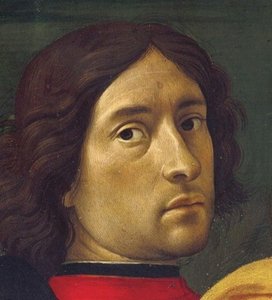
Domenico Ghirlandaio
1449 - 1494 , Italy
Quick Facts
- Artistic Movement Or Style: Early Renaissance
- Artists Or Movements Influenced By This Artist:
- Michelangelo
- Ridolfo Ghirlandaio
- Artists Who Influenced This Artist:
- Alesso Baldovinetti
- Andrea del Verrocchio
- Date Of Birth: 1449
- Date Of Death: 1494
- Full Name: Domenico di Tommaso Curradi
- Nationality: Italian
- Notable Artworks:
- St. Jerome in his Study
- The Last Supper
- Vocation of Apostles
- Adoration Shepherds
- Place Of Birth: Florence, Italy

