

 Preview
 Send
Send Share
Share
 Details

 Download
 Similars
 X-Ray
X-Ray Diaporama
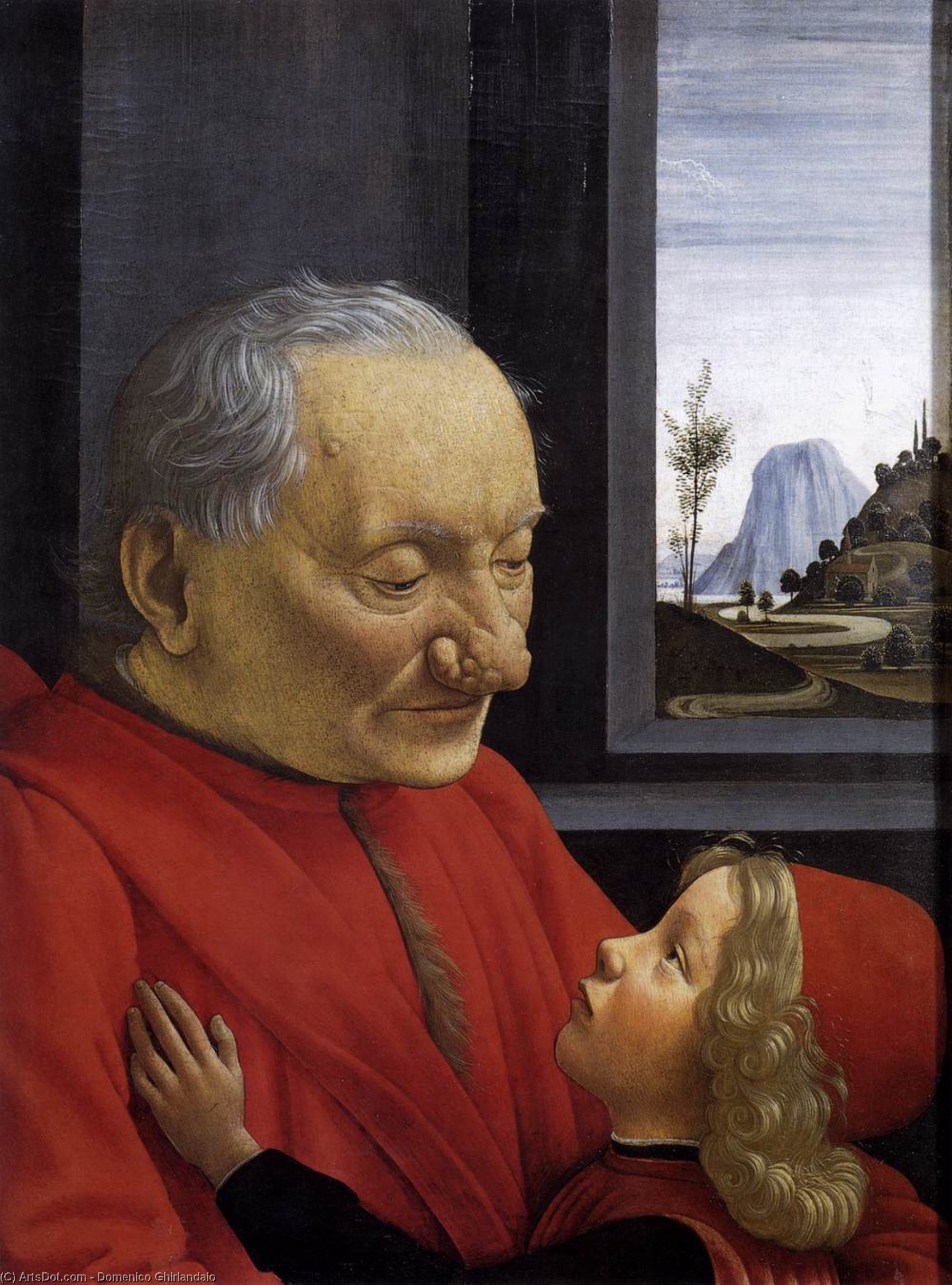
An Old Man and His Grandson
 Acrylic
- WallArt
- Early Renaissance
 1490
1490 62.0 x 46.0 cm
 The Louvre
 Read More
Purchase a high-resolution, enhanced digital image, far superior to the online preview.
Each file is meticulously prepared by our in-house specialists using advanced tools and expert manual retouching. We ensure every image has exceptional clarity, precise color accuracy, and fine detail.
The final file is delivered via email within 72 hours, optimized for immediate use in professional, editorial, and print environments. This is the same quality trusted by top-tier design studios, publishers, and galleries.
Digital Image
Download a high-resolution file for personal display, printing, and creative projects. ( Buy Print Buy Hand Made Painting)
Included in Every Digital Image Order
Expert Digital Delivery, Guaranteed
When you choose ArtsDot.com, you're not just getting an image - you're receiving a professionally enhanced digital artwork, crafted with precision and backed by a satisfaction guarantee. Here's everything that comes with your order, automatically:

Fast Email Delivery
Your high-resolution digital image file will be emailed to you within 72 hours of ordering - ready for immediate use.

AI-Enhanced Digital File
Your artwork is professionally optimized using advanced AI tools and manual editing, ensuring maximum detail, clarity, and color accuracy.

Free Lifetime Re-Delivery
Accidentally deleted or lost your file? No worries - we'll resend it to you anytime, free of charge.

No Import Fees - Ever
Enjoy your artwork instantly with zero customs, duties, or delivery fees - digital downloads are always tax-free.

Color Accuracy Guarantee
We ensure your digital image reflects the original colors as closely as possible using professional tools and color management.

60-Day Satisfaction Guarantee
If you're not satisfied with your digital image, we'll revise it or refund 100% within 60 days - no questions asked.

100% Money-Back Guarantee
Not satisfied? Get a full refund within 60 days of receiving your digital file - no questions asked.

Bulk Order Discounts
Buy 3 images, save 10% - Buy 5, save 15% - Buy 10+, save 20%. Great for creative projects, galleries, and agencies.
Collectible Description
A Tender Embrace Across Time: Domenico Ghirlandaio’s “An Old Man and His Grandson”
Domenico Ghirlandaio's "An Old Man and His Grandson," painted around 1490, is more than just a portrait; it’s a poignant meditation on familial love, generational connection, and the quiet dignity of aging. This remarkably intimate work, currently residing in the Louvre Museum, offers a rare glimpse into the heart of Renaissance Florence – a world brimming with artistic innovation yet deeply rooted in traditional values. The painting immediately draws the viewer in with its deceptively simple composition: an elderly man, distinguished by a prominent nose and clad in rich red robes, tenderly holds his young grandson before him. Both figures gaze intently at something beyond the frame, perhaps a window offering a view of the bustling city or a cherished object within the room, inviting us to participate in their shared moment of quiet contemplation.The Artist’s Hand and Florentine Style
Ghirlandaio was a pivotal figure in the Florentine art scene during the High Renaissance, inheriting and expanding upon the techniques he learned from masters like Alesso Baldovinetti and, potentially, Andrea del Verrocchio. His style is characterized by a remarkable realism – a departure from the stylized depictions of earlier periods – combined with an astute understanding of human psychology. Notice the meticulous detail in the rendering of the old man’s face: the wrinkles etched into his skin, the subtle nuances of expression conveying wisdom and perhaps a touch of melancholy. Ghirlandaio's use of *tempera* on poplar panel lends the painting a luminous quality, enhancing the vibrancy of the colors and creating a sense of immediacy. The background landscape, rendered with a degree of atmospheric perspective, subtly anchors the scene within its Florentine setting, hinting at the world beyond the domestic interior.Symbolism and the Human Condition
Beyond its technical brilliance, “An Old Man and His Grandson” is rich in symbolic meaning. The red clothing worn by both figures – a color associated with nobility and passion – suggests a connection to the family’s social standing while simultaneously emphasizing their shared affection. The prominent nose of the old man, often interpreted as a mark of character or even a sign of wisdom, becomes a deliberate focal point, inviting us to consider the value of experience and longevity. The act of holding the grandson is not merely a gesture of physical care; it represents the passing down of knowledge, values, and traditions from one generation to the next. The averted gaze towards an unseen object adds another layer of intrigue – perhaps a memory, a shared joy, or simply a quiet appreciation for the present moment.A Window into the 15th Century
Dating back to 1490, this painting provides invaluable insight into the social and cultural landscape of Renaissance Florence. Portraits during this period were often commissioned by wealthy families as both commemorative works and displays of their status. However, Ghirlandaio’s depiction transcends mere vanity; it captures a genuine emotional connection between two individuals – a grandfather and his grandson – that resonated deeply with viewers at the time and continues to resonate today. The inclusion of the landscape beyond the window suggests an awareness of the wider world, yet the focus remains firmly on the intimate relationship within the domestic sphere. The painting’s provenance is somewhat enigmatic, having been rejected by the Kaiser Friedrich Museum in Berlin due to damage sustained over centuries, highlighting the fragility and enduring power of art across time.Bringing “An Old Man and His Grandson” Home
ArtsDot offers meticulously crafted hand-painted reproductions of Domenico Ghirlandaio’s "An Old Man and His Grandson," allowing you to experience the beauty and emotional depth of this iconic masterpiece in your own home. Our skilled artists replicate the original's nuanced details, vibrant colors, and atmospheric quality with unparalleled precision. Whether you are an art collector, a design enthusiast, or simply someone seeking a timeless work of art to inspire reflection, our reproductions provide a stunning and authentic representation of this treasured Renaissance portrait. Explore our range of sizes and framing options to find the perfect addition to your collection – a tangible reminder of the enduring power of family love and human connection.Related Artworks
Artist Biography
A Florentine Garland: The Life and Art of Domenico Ghirlandaio
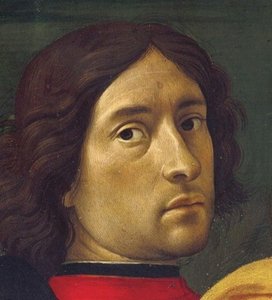
Domenico di Tommaso Curradi di Doffo Bigordi, known to history as Domenico Ghirlandaio, emerged from the vibrant artistic landscape of Florence in 1449. His very nickname, “Il Ghirlandaio” – the garland-maker – speaks volumes about his origins and early influences. It wasn’t a reference to floral arrangements but rather to the exquisite, jewel-like headdresses crafted by his father, a goldsmith, that adorned Florentine women of the era. This familial connection to craftsmanship instilled in young Domenico an appreciation for detail, precision, and the beauty of ornamentation – qualities that would profoundly shape his artistic vision. Initially apprenticed to his father, learning the intricacies of metalwork, he soon transitioned to painting under Alesso Baldovinetti, absorbing the techniques of fresco and mosaic that defined Florentine art. Some scholars also suggest a formative period with Andrea del Verrocchio, placing him amongst a generation of masters who would redefine Renaissance aesthetics.Bridging the Sacred and the Secular
Ghirlandaio’s artistic prowess lay in his remarkable ability to seamlessly blend religious narrative with contemporary life. He didn't populate biblical scenes with idealized figures from antiquity; instead, he populated them with recognizable Florentines – merchants, townsfolk, even members of the patron families themselves. This innovative approach brought a startling realism and immediacy to his work, grounding the sacred in the everyday world. His workshop, a bustling hub of creativity, included not only his brothers Davide and Benedetto but also his brother-in-law Sebastiano Mainardi and, most famously, the young Michelangelo Buonarroti. The sheer efficiency and productivity of this studio allowed Ghirlandaio to undertake large-scale commissions that cemented his reputation as one of Florence’s leading artists. Notable examples include the stunning fresco cycles in the Sassetti Chapel of Santa Trinita (1482-1485), a vibrant tapestry of biblical stories interwoven with scenes of Florentine commerce and society, and the *Apotheosis of St. Zenobius* in the Palazzo Vecchio, showcasing his mastery of perspective and composition.Rome and the Sistine Chapel
The pinnacle of Ghirlandaio’s career arrived in 1481 with a summons to Rome from Pope Sixtus IV. The pontiff sought to assemble a team of Florence's most talented artists – including Botticelli, Perugino, and Rossetti – to decorate the walls of the newly constructed Sistine Chapel. Ghirlandaio’s contribution was *The Vocation of the Apostles*, a dynamic scene depicting Christ calling Peter and Andrew to follow him. While overshadowed by Michelangelo’s later ceiling frescoes, Ghirlandaio's work in the chapel demonstrates his skill in narrative storytelling and his ability to create compelling compositions filled with expressive figures. It also provided a crucial learning experience for the young Michelangelo, who observed Ghirlandaio’s techniques firsthand, absorbing lessons that would inform his own artistic development.Legacy of Realism and Influence
Domenico Ghirlandaio's untimely death in 1494 at the age of forty-five cut short a promising career, but his impact on Renaissance art was profound. He left behind a legacy not only through his numerous frescoes and paintings but also through the artists he trained, most notably Michelangelo. His emphasis on realism, his ability to portray contemporary life within religious contexts, and his masterful use of color and composition influenced generations of painters. While perhaps less celebrated than some of his contemporaries like Leonardo da Vinci or Raphael, Ghirlandaio’s work offers a unique window into the world of Renaissance Florence – a world where faith, commerce, and artistic innovation converged to create an era of unparalleled cultural achievement. His paintings remain as vibrant testaments to his skill, offering viewers a glimpse into the lives and beliefs of those who lived centuries ago.Notable Works
- St. Jerome in His Study (1480): A companion piece to Botticelli’s *Saint Augustine*, showcasing Ghirlandaio's skill with fresco and attention to detail.
- The Last Supper (Ognissanti, 1480): A groundbreaking work that influenced later depictions of this iconic scene, including Leonardo da Vinci’s masterpiece.
- Frescoes in the Sassetti Chapel (Santa Trinita, 1482-1485): A comprehensive cycle illustrating the life of St. Francis, celebrated for its realistic portrayal of Florentine society.
- The Vocation of the Apostles (Sistine Chapel, 1483): A significant contribution to one of the world’s most iconic artistic spaces.
- Adoration of the Magi (Uffizi Gallery, 1487): A vibrant and detailed depiction showcasing Ghirlandaio's mastery of composition and color.
Domenico Ghirlandaio
1449 - 1494 , Italy
Quick Facts
- Artistic Movement Or Style: Early Renaissance
- Artists Or Movements Influenced By This Artist:
- Michelangelo
- Ridolfo Ghirlandaio
- Artists Who Influenced This Artist:
- Alesso Baldovinetti
- Andrea del Verrocchio
- Date Of Birth: 1449
- Date Of Death: 1494
- Full Name: Domenico di Tommaso Curradi
- Nationality: Italian
- Notable Artworks:
- St. Jerome in his Study
- The Last Supper
- Vocation of Apostles
- Adoration Shepherds
- Place Of Birth: Florence, Italy

