

 Preview
 Send
Send Share
Share
 Details

 Download
 Similars
 X-Ray
X-Ray Diaporama
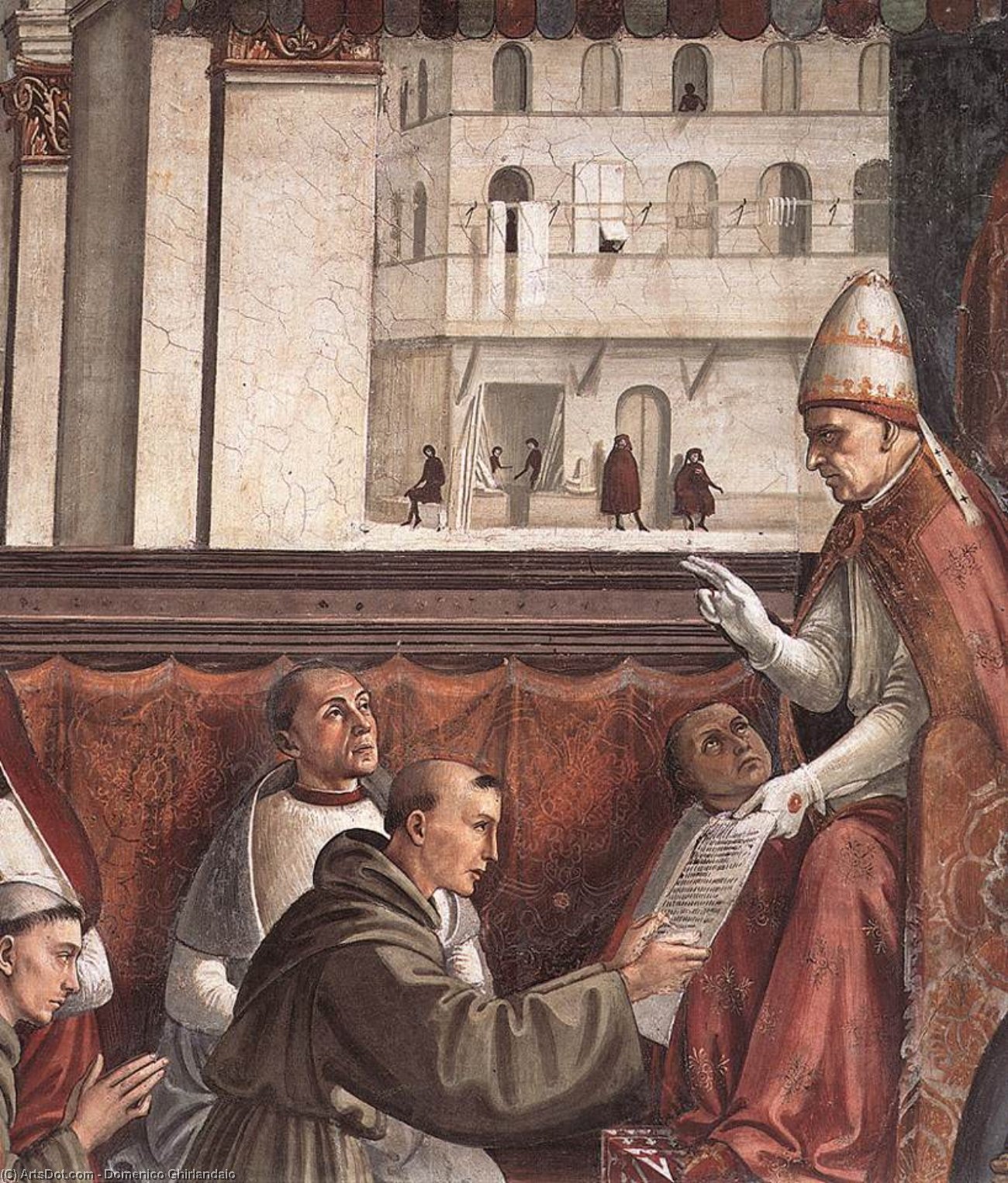
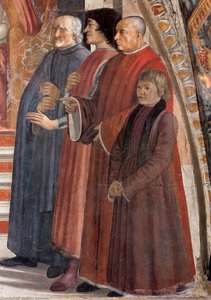
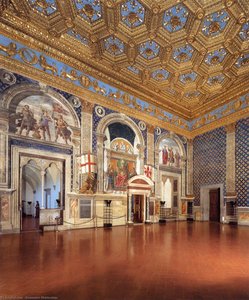
Confirmation of the Rule (detail)


 Read More
Purchase a high-resolution, enhanced digital image, far superior to the online preview.
Each file is meticulously prepared by our in-house specialists using advanced tools and expert manual retouching. We ensure every image has exceptional clarity, precise color accuracy, and fine detail.
The final file is delivered via email within 72 hours, optimized for immediate use in professional, editorial, and print environments. This is the same quality trusted by top-tier design studios, publishers, and galleries.
Digital Image
Download a high-resolution file for personal display, printing, and creative projects. ( Buy Print Buy Hand Made Painting)
Included in Every Digital Image Order
Expert Digital Delivery, Guaranteed
When you choose ArtsDot.com, you're not just getting an image - you're receiving a professionally enhanced digital artwork, crafted with precision and backed by a satisfaction guarantee. Here's everything that comes with your order, automatically:

Fast Email Delivery
Your high-resolution digital image file will be emailed to you within 72 hours of ordering - ready for immediate use.

AI-Enhanced Digital File
Your artwork is professionally optimized using advanced AI tools and manual editing, ensuring maximum detail, clarity, and color accuracy.

Free Lifetime Re-Delivery
Accidentally deleted or lost your file? No worries - we'll resend it to you anytime, free of charge.

No Import Fees - Ever
Enjoy your artwork instantly with zero customs, duties, or delivery fees - digital downloads are always tax-free.

Color Accuracy Guarantee
We ensure your digital image reflects the original colors as closely as possible using professional tools and color management.

60-Day Satisfaction Guarantee
If you're not satisfied with your digital image, we'll revise it or refund 100% within 60 days - no questions asked.

100% Money-Back Guarantee
Not satisfied? Get a full refund within 60 days of receiving your digital file - no questions asked.

Bulk Order Discounts
Buy 3 images, save 10% - Buy 5, save 15% - Buy 10+, save 20%. Great for creative projects, galleries, and agencies.
A Moment of Authority: Unveiling Ghirlandaio’s “Confirmation of the Rule”
Domenico Ghirlandaio's "Confirmation of the Rule," a fresco fragment housed within the Sassetti Chapel in the Palazzo Vecchio, Florence, is more than just a depiction of a religious ceremony; it’s a meticulously crafted tableau vivant of Renaissance Florence itself. Completed between 1483 and 1486, this intimate scene captures a pivotal moment – the formal confirmation of the Franciscan Rule by Bishop Lorenzo de' Medici – yet simultaneously offers a remarkably candid glimpse into the city’s social fabric and artistic ambitions. The painting isn’t grand in scale, measuring just over two meters high, but its impact is profound, radiating an aura of civic pride and humanist intellect.
Ghirlandaio, a master of *disegno* – drawing and design – employed his signature technique of meticulous detail and illusionistic space. The fresco’s vibrant colors, achieved through the layering of thin glazes over a prepared plaster ground, immediately draw the eye. Note the subtle variations in tone within the drapery, the delicate rendering of facial features, and the precise positioning of each figure. This painstaking approach wasn't merely decorative; it was integral to Ghirlandaio’s commitment to realism, reflecting the burgeoning interest in naturalism that characterized the early Renaissance. The use of *sfumato*, a technique pioneered by Leonardo da Vinci, subtly softens outlines and creates an atmospheric haze, lending the scene a sense of depth and immediacy.
The Figures: A Portrait of Florentine Society
At the heart of the composition stands Bishop Lorenzo de' Medici, identifiable by his distinctive red robes – a symbol of his authority and wealth. He dominates the scene with an air of serene command, gesturing towards the kneeling figures below. These aren’t idealized saints or biblical characters; they are recognizable members of Florentine society: Angelo Poliziano, a prominent humanist scholar and poet; Lorenzo de' Medici’s sons, Giuliano, Piero, and Giovanni; and even the young Leonardo da Vinci himself, identifiable by his youthful features and attentive gaze. Ghirlandaio cleverly integrated these figures into the religious narrative, transforming a formal ceremony into a vibrant portrait of Florence at its zenith.
The inclusion of contemporary Florentines within a sacred scene was a deliberate artistic choice, reflecting the humanist ideals that were gaining traction during this period. Ghirlandaio wasn’t simply documenting an event; he was celebrating the city's intellectual and cultural flourishing. The figures are arranged in a carefully orchestrated composition, each contributing to the overall sense of order and harmony. Observe how Ghirlandaio uses perspective – subtly employing linear perspective to create the illusion of depth – to draw the viewer into the scene.
Symbolism and Context: A Window into Renaissance Florence
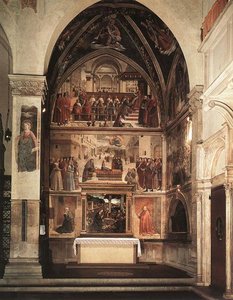
Beyond its immediate depiction of the Confirmation ceremony, “Confirmation of the Rule” is rich in symbolic meaning. The presence of Poliziano, a leading figure in the Florentine humanist movement, underscores the importance of classical learning and philosophy within the city’s intellectual life. The setting itself – a richly decorated chapel adorned with frescoes by other artists – speaks to the artistic patronage that fueled Florence's cultural renaissance. The painting also subtly references the Medici family’s power and influence, positioning them as protectors of both faith and reason.
Furthermore, Ghirlandaio’s decision to include a detailed depiction of the Piazza della Signoria – Florence’s main public square – is particularly noteworthy. This inclusion wasn't merely decorative; it served as a subtle assertion of Florentine civic pride, demonstrating the city’s importance within the broader European landscape. The fresco stands as a testament to Ghirlandaio’s skill and his deep understanding of both religious iconography and Florentine society.
A Legacy of Detail: Reproductions and Appreciation
Reproductions of “Confirmation of the Rule” offer art enthusiasts a remarkable opportunity to experience the artistry and historical significance of this captivating fresco. The meticulous detail, vibrant colors, and compelling composition continue to resonate with viewers today. Whether displayed in a private residence or a museum setting, a high-quality reproduction serves as a beautiful reminder of Florence’s golden age – an era defined by artistic innovation, humanist ideals, and the enduring legacy of Domenico Ghirlandaio.
Related Artworks
![Stanze Vaticane - La Disputa (detail) [09] — Raphael, High Renaissance](/media/artworks/images-thumb/cf/87/cf87e0e575c275c51f4ec6782924187c.jpg)

Artist Biography
A Florentine Garland: The Life and Art of Domenico Ghirlandaio
Domenico di Tommaso Curradi di Doffo Bigordi, known to history as Domenico Ghirlandaio, emerged from the vibrant artistic landscape of Florence in 1449. His very nickname, “Il Ghirlandaio” – the garland-maker – speaks volumes about his origins and early influences. It wasn’t a reference to floral arrangements but rather to the exquisite, jewel-like headdresses crafted by his father, a goldsmith, that adorned Florentine women of the era. This familial connection to craftsmanship instilled in young Domenico an appreciation for detail, precision, and the beauty of ornamentation – qualities that would profoundly shape his artistic vision. Initially apprenticed to his father, learning the intricacies of metalwork, he soon transitioned to painting under Alesso Baldovinetti, absorbing the techniques of fresco and mosaic that defined Florentine art. Some scholars also suggest a formative period with Andrea del Verrocchio, placing him amongst a generation of masters who would redefine Renaissance aesthetics.Bridging the Sacred and the Secular
Ghirlandaio’s artistic prowess lay in his remarkable ability to seamlessly blend religious narrative with contemporary life. He didn't populate biblical scenes with idealized figures from antiquity; instead, he populated them with recognizable Florentines – merchants, townsfolk, even members of the patron families themselves. This innovative approach brought a startling realism and immediacy to his work, grounding the sacred in the everyday world. His workshop, a bustling hub of creativity, included not only his brothers Davide and Benedetto but also his brother-in-law Sebastiano Mainardi and, most famously, the young Michelangelo Buonarroti. The sheer efficiency and productivity of this studio allowed Ghirlandaio to undertake large-scale commissions that cemented his reputation as one of Florence’s leading artists. Notable examples include the stunning fresco cycles in the Sassetti Chapel of Santa Trinita (1482-1485), a vibrant tapestry of biblical stories interwoven with scenes of Florentine commerce and society, and the *Apotheosis of St. Zenobius* in the Palazzo Vecchio, showcasing his mastery of perspective and composition.Rome and the Sistine Chapel
The pinnacle of Ghirlandaio’s career arrived in 1481 with a summons to Rome from Pope Sixtus IV. The pontiff sought to assemble a team of Florence's most talented artists – including Botticelli, Perugino, and Rossetti – to decorate the walls of the newly constructed Sistine Chapel. Ghirlandaio’s contribution was *The Vocation of the Apostles*, a dynamic scene depicting Christ calling Peter and Andrew to follow him. While overshadowed by Michelangelo’s later ceiling frescoes, Ghirlandaio's work in the chapel demonstrates his skill in narrative storytelling and his ability to create compelling compositions filled with expressive figures. It also provided a crucial learning experience for the young Michelangelo, who observed Ghirlandaio’s techniques firsthand, absorbing lessons that would inform his own artistic development.Legacy of Realism and Influence
Domenico Ghirlandaio's untimely death in 1494 at the age of forty-five cut short a promising career, but his impact on Renaissance art was profound. He left behind a legacy not only through his numerous frescoes and paintings but also through the artists he trained, most notably Michelangelo. His emphasis on realism, his ability to portray contemporary life within religious contexts, and his masterful use of color and composition influenced generations of painters. While perhaps less celebrated than some of his contemporaries like Leonardo da Vinci or Raphael, Ghirlandaio’s work offers a unique window into the world of Renaissance Florence – a world where faith, commerce, and artistic innovation converged to create an era of unparalleled cultural achievement. His paintings remain as vibrant testaments to his skill, offering viewers a glimpse into the lives and beliefs of those who lived centuries ago.Notable Works
- St. Jerome in His Study (1480): A companion piece to Botticelli’s *Saint Augustine*, showcasing Ghirlandaio's skill with fresco and attention to detail.
- The Last Supper (Ognissanti, 1480): A groundbreaking work that influenced later depictions of this iconic scene, including Leonardo da Vinci’s masterpiece.
- Frescoes in the Sassetti Chapel (Santa Trinita, 1482-1485): A comprehensive cycle illustrating the life of St. Francis, celebrated for its realistic portrayal of Florentine society.
- The Vocation of the Apostles (Sistine Chapel, 1483): A significant contribution to one of the world’s most iconic artistic spaces.
- Adoration of the Magi (Uffizi Gallery, 1487): A vibrant and detailed depiction showcasing Ghirlandaio's mastery of composition and color.
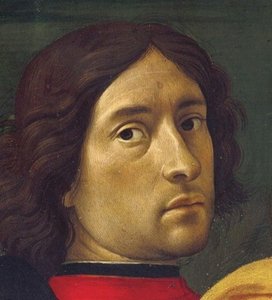
Domenico Ghirlandaio
1449 - 1494 , Italy
Quick Facts
- Artistic Movement Or Style: Early Renaissance
- Artists Or Movements Influenced By This Artist:
- Michelangelo
- Ridolfo Ghirlandaio
- Artists Who Influenced This Artist:
- Alesso Baldovinetti
- Andrea del Verrocchio
- Date Of Birth: 1449
- Date Of Death: 1494
- Full Name: Domenico di Tommaso Curradi
- Nationality: Italian
- Notable Artworks:
- St. Jerome in his Study
- The Last Supper
- Vocation of Apostles
- Adoration Shepherds
- Place Of Birth: Florence, Italy

