 Send
Send Share
Share
 Details

 Download
 Similars
 Diaporama
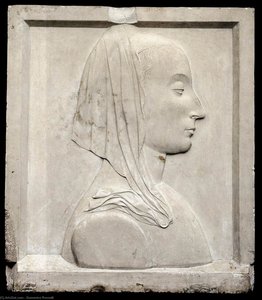
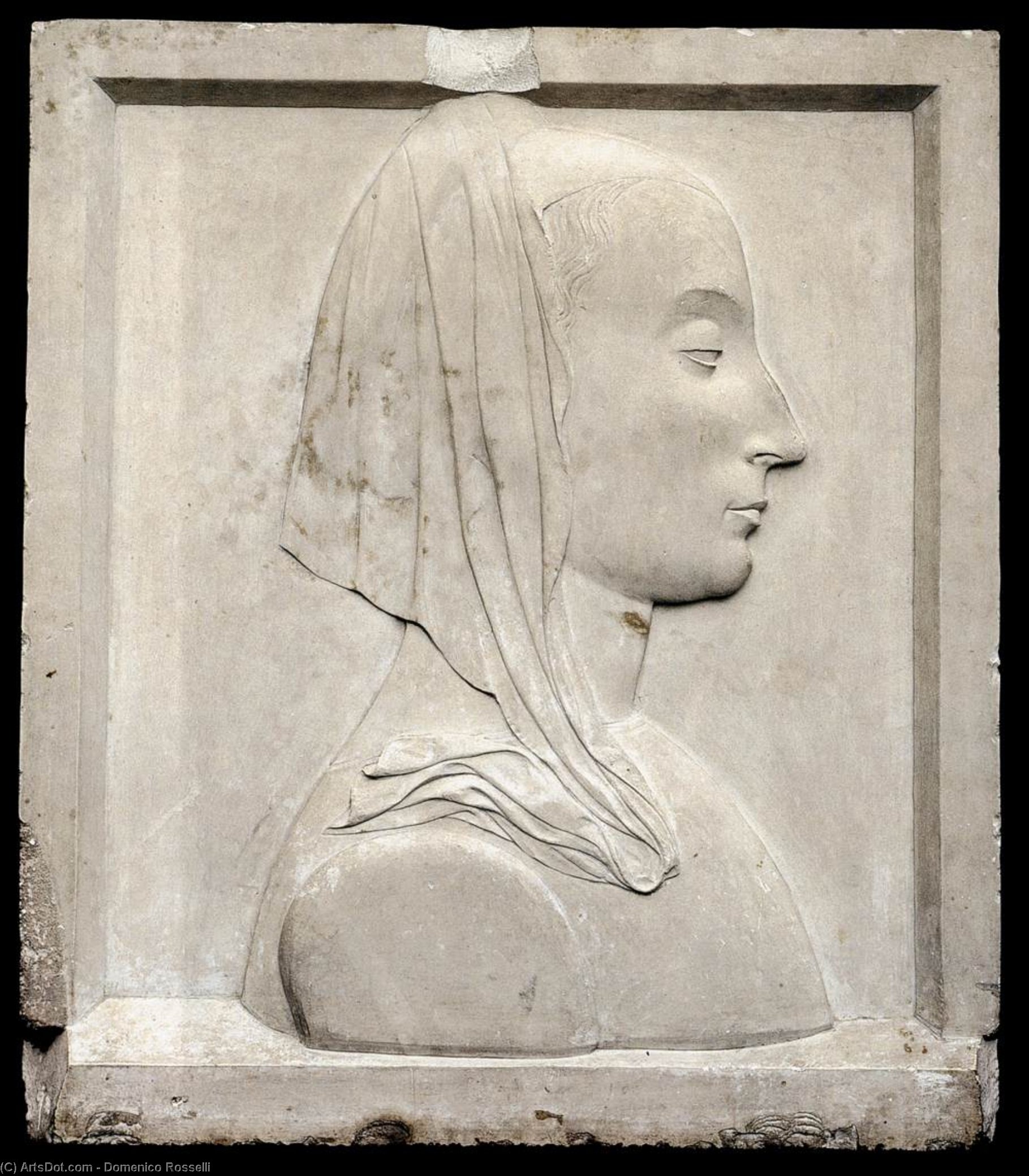
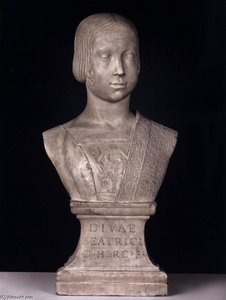
Portrait of Battista Sforza
 Stone
Stone- Sculpture
- Renaissance
 1472
1472- Renaissance
 45.0 x 39.0 cm
 Musei Civici
 Read More
Giclée / Art Print
Museum-quality giclée or canvas print with fast production and flexible finish options. ( Buy Hand Made Painting Buy Image)




































Pick from our preset sizes that match the artwork's original proportions.

You may enter your own dimensions to fit a specific frame or space. If your selected size does not match the original image's proportions, we will either crop the artwork or extend the image with a mirrored or solid-fill edge. A digital mockup will be sent for your approval before production begins.
Please note that the on-screen preview does not reflect the actual cropping or extension. Only the mockup will accurately show the final composition.
While custom sizes are available, we recommend selecting a dimension from the predefined list to preserve the original proportions.
Worldwide Delivery () in 2 weeks instead of standard 4/5 weeks. (3 September)

Free Worldwide Express Shipping

High-Quality Linen Canvas

Full Shipping Insurance

Customs Tax Refund Guarantee

True Color Matching Guarantee

60-Day Return Policy (Defects Only)

100% Money-Back Guarantee

Bulk Discount Offer
 Glass option is only available in size under 110 CM

Portrait of Battista Sforza
Giclée / Art Print
Reproduction Size
-


Total Price
$ 63
A Timeless Encounter with Renaissance Grace
In the quiet corridors of the Musei Civici in Pesaro, there exists a moment frozen in stone—a profound encounter with the past through Domenico Rosselli’s Portrait of Battista Sforza. Created in 1472, this exquisite work transcends its medium to offer a window into the soul of the Italian Quattrocento. The portrait captures Battista Sforza, the esteemed wife of Federico da Montefeltro, not merely as a figure of political importance, but as a living presence. As one gazes upon her, there is an immediate sense of intimacy; her gaze, directed slightly downward, suggests a contemplative modesty, inviting the viewer into a private world of quiet dignity and Renaissance refinement.
The artistry of Rosselli shines through in the meticulous way he manipulates the stone to mimic the softness of skin and the intricate textures of hair. Though the medium is heavy and enduring, the execution feels remarkably light and fluid. The sculptor’s mastery allows the contours of the face to catch the light, creating a play of shadow and brilliance that breathes life into the cold surface. This delicate balance between the permanence of stone and the ephemeral nature of a human expression creates an emotional resonance that is both haunting and beautiful, making it a piece that commands attention in any curated collection.
The Mastery of Form and Historical Splendor
To understand this portrait is to understand the artistic heartbeat of 15th-century Italy. Domenico Rosselli, a sculptor and painter whose influence reached the very heights of the Sistine Chapel, brings his characteristic Florentine precision to this work. The technique employed here is a testament to the Renaissance obsession with realism and classical ideals. Every fine line and subtle indentation in the stone serves a purpose, contributing to a sense of anatomical accuracy that was revolutionary for its time. The weathered patina of the piece today only adds to its historical gravity, acting as a visible timeline of the centuries it has survived.
For the discerning collector or interior designer, the Portrait of Battista Sforza offers more than just aesthetic pleasure; it provides a sense of historical continuity. The neutral tones and classical composition make it an incredibly versatile masterpiece for sophisticated environments. Whether placed in a sunlit gallery or a moody, library-style study, the sculpture’s presence anchors a room with an aura of timeless elegance. It is a piece that does not merely decorate a space but elevates it, transforming a modern interior into a sanctuary of culture and classical beauty.
An Enduring Legacy for the Modern Collector
Owning or displaying a high-quality reproduction of such a significant work allows one to participate in the enduring legacy of the Renaissance. The Portrait of Battista Sforza serves as a bridge between the monumental achievements of the past and the refined tastes of the present. It embodies the virtues of the era—strength, grace, and intellectual depth. As an object of art, it continues to inspire awe, reminding us that true beauty, captured through skilled hands and profound vision, is indeed immortal.
Related Artworks

Artist Biography
Domenico Rosselli: Florentine Painter of Light and Glory
Domenico Rosselli (c. 1439 – 1498) remains a figure shrouded in scholarly debate, yet undeniably one of the most influential artists of the Quattrocento—the flowering of Renaissance art in Florence. Despite fragmentary biographical details, his legacy rests firmly upon monumental frescoes adorning Urbino’s Ducal Palace and the Sistine Chapel, cementing his place as a pivotal voice within the artistic landscape of his time. The precise origins of Rosselli's life are elusive; records indicate he was born in Pistoia, Italy, though definitive information about his early years is scarce. He apprenticed under Neri di Bicci, a prominent Florentine sculptor and painter who instilled in him foundational skills—a meticulous attention to detail and an understanding of classical ideals—that would permeate Rosselli’s subsequent artistic endeavors.
Early Career & Urbino: Rosselli's formative years were spent honing his craft in Florence, where he collaborated with Bernardo di Stefano Rosselli, his cousin, furthering the family’s artistic tradition. His breakthrough came with commissions for Santissima Annunziata, culminating in a breathtaking depiction of Saints Barbara, Matthias and John the Baptist—a testament to his burgeoning mastery of color and composition. However, it was Urbino that truly propelled him to fame. Under Federico da Montefeltro's patronage, Rosselli undertook an ambitious project transforming the Ducal Palace into a visual spectacle. The Sala degli Angeli, specifically, houses his masterpiece: the Angel Fireplace—a breathtaking panorama of angelic figures ascending towards heaven, illuminated by radiant gold leaf and imbued with an ethereal luminescence that embodies the humanist spirit of the era.
The Sculptor's Touch and Renaissance Mastery
While often celebrated for his painterly brilliance, Rosselli’s identity as a sculptor adds a profound dimension to his artistic output. His ability to manipulate stone with the delicacy of a brush is perhaps most evident in his Portrait of Battista Sforza. Created in 1472, this exquisite work transcends its medium to offer a window into the soul of the Italian Quattrocento. The portrait captures Battista Sforza, the esteemed wife of Federico da Montefeltro, not merely as a figure of political importance, but as a living presence. As one gazes upon her, there is an immediate sense of intimacy; her gaze, directed slightly downward, suggests a contemplative modesty, inviting the viewer into a private world of quiet dignity and Renaissance refinement.
The artistry of Rosselli shines through in the meticulous way he manipulates the stone to mimic the softness of skin and the intricate textures of hair. Though the medium is heavy and enduring, the execution feels remarkably light and fluid. The sculptor’s mastery allows the contours of the face to catch the light, creating a play of shadow and brilliance that breathes life into the cold surface. This delicate balance between the permanence of stone and the ephemeral nature of human expression creates an emotional resonance that is both haunting and beautiful.
A Legacy in the Sistine Chapel
Rosselli’s involvement in the Sistine Chapel project represents a pinnacle of artistic ambition and innovation. Summoned by Pope Sixtus IV in 1481, alongside luminaries such as Botticelli and Perugino, Rosselli contributed to one of the most significant decorative programs in Western history. His work within these sacred walls reflects the height of Florentine precision and the Renaissance obsession with realism and classical ideals. Every fine line and subtle indentation serves a purpose, contributing to a sense of anatomical accuracy that was revolutionary for its time.
The historical significance of Domenico Rosselli lies in his ability to bridge the gap between the decorative traditions of the mid-15th century and the profound humanism of the high Renaissance. His contributions to the following areas define his enduring importance:
- Architectural Integration: His skill in creating friezes, sculpted doorways, and decorative fireplaces that transformed physical spaces into narrative wonders.
- Humanist Expression: The infusion of spiritual light and classical grace into both religious iconography and secular portraiture.
- Technical Versatility: A rare mastery over both the fluid medium of fresco and the enduring permanence of marble and stone.
Though some scholars have occasionally identified him as the Master of the Marble Madonnas, his true identity remains a tapestry of brilliant, yet partially obscured, artistic triumphs that continue to inspire awe in the halls of the world's greatest museums.
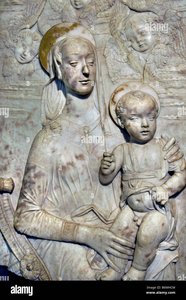
domenico rosselli
1439 - 1498 , Italy
Quick Facts
- Artistic Movement Or Style: Quattrocento
- Artists Or Movements Influenced By This Artist: ['Sandro Botticelli']
- Artists Who Influenced This Artist: ['Neri di Bicci']
- Date Of Birth: c. 1439
- Date Of Death: 1507
- Full Name: Cosimo Rosselli
- Nationality: Italian
- Notable Artworks:
- Madonna by Domenico Rosselli
- Chapel of the Holy Blood frescoes
- Place Of Birth: Florence, Italy
Related Articles

Bronze Sculptures That Defined Art History | ArtsDot
Journey through art history with our Top 10 bronze sculptures! Explore masterpieces by Rodin, Michelangelo & more. Discover stories behind iconic statues and find museum-quality reproductions for your home decor at ArtsDot.com.

The Enduring Form: Exploring Themes & Techniques in Sculpture Across Historical Periods
Explore the rich history of sculpture from ancient masterpieces to contemporary innovations. Discover key techniques, influential artists & investment potential for discerning art collectors.
The Enduring Form: Sculpture Across History, Technique & Emotional Resonance
Explore the rich history of sculpture with ArtsDot. Discover key techniques, influential artists & investment potential for discerning collectors. Expert insights into valuing and collecting timeless masterpieces.

Bronze Age to Modern Masters: 10 Sculptures That Redefined Art | ArtsDot
Journey through art history with 10 legendary bronze sculptures – from Michelangelo's David to Rodin’s Thinker. Explore the stories, techniques & timeless beauty of these masterpieces. Find museum-quality reproductions & elevate your home decor on ArtsDot.com.
The Enduring Allure of Marble in Art History: From Classical Sculpture to Modern Abstraction
Explore the captivating history of marble sculpture from ancient Greece to modern art. Discover renowned artists like Canova & Michelangelo, carving techniques, and investment insights at ArtsDot.