

 Preview
 Send
Send Share
Share
 Details

 Download
 Similars
 X-Ray
X-Ray Diaporama
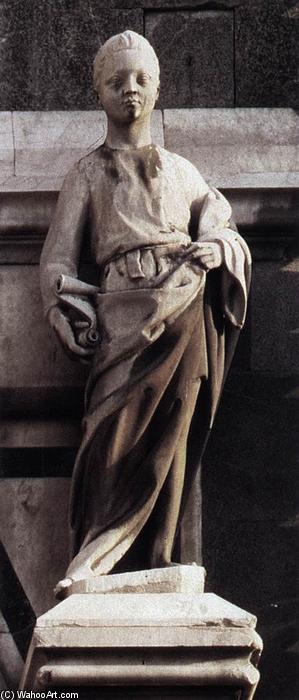
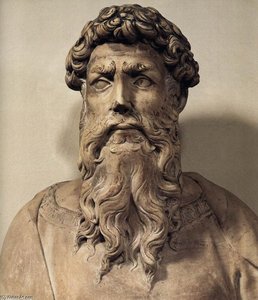
Prophet (left of the Porta della Mandorla)


 Read More
Purchase a high-resolution, enhanced digital image, far superior to the online preview.
Each file is meticulously prepared by our in-house specialists using advanced tools and expert manual retouching. We ensure every image has exceptional clarity, precise color accuracy, and fine detail.
The final file is delivered via email within 72 hours, optimized for immediate use in professional, editorial, and print environments. This is the same quality trusted by top-tier design studios, publishers, and galleries.
Digital Image
Download a high-resolution file for personal display, printing, and creative projects. ( Buy Print Buy Hand Made Painting)
Included in Every Digital Image Order
Expert Digital Delivery, Guaranteed
When you choose ArtsDot.com, you're not just getting an image - you're receiving a professionally enhanced digital artwork, crafted with precision and backed by a satisfaction guarantee. Here's everything that comes with your order, automatically:

Fast Email Delivery
Your high-resolution digital image file will be emailed to you within 72 hours of ordering - ready for immediate use.

AI-Enhanced Digital File
Your artwork is professionally optimized using advanced AI tools and manual editing, ensuring maximum detail, clarity, and color accuracy.

Free Lifetime Re-Delivery
Accidentally deleted or lost your file? No worries - we'll resend it to you anytime, free of charge.

No Import Fees - Ever
Enjoy your artwork instantly with zero customs, duties, or delivery fees - digital downloads are always tax-free.

Color Accuracy Guarantee
We ensure your digital image reflects the original colors as closely as possible using professional tools and color management.

60-Day Satisfaction Guarantee
If you're not satisfied with your digital image, we'll revise it or refund 100% within 60 days - no questions asked.

100% Money-Back Guarantee
Not satisfied? Get a full refund within 60 days of receiving your digital file - no questions asked.

Bulk Order Discounts
Buy 3 images, save 10% - Buy 5, save 15% - Buy 10+, save 20%. Great for creative projects, galleries, and agencies.
Collectible Description
A Vision of Prophecy: Donatello’s Prophet from Florence
Donatello's "Prophet (left of the Porta della Mandorla)," a marble sculpture created between 1406 and 1408, stands as a pivotal work in the transition from the late Gothic to the burgeoning Renaissance style. More than just a depiction of a biblical figure, it’s a profound exploration of human form, spiritual aspiration, and the nascent humanist ideals that would define the era. Originally intended for the north doors of Florence Cathedral – the famed “Porta della Mandorla” – this sculpture immediately captivated viewers with its startling realism and psychological depth, setting a new standard for portraiture in sculpture.
The piece itself is remarkably intimate; standing at just over 128 centimeters (50 ¼ inches) tall, it’s designed to be viewed up close, inviting contemplation. The figure, identified as a prophet – though his precise identity remains debated by scholars – is rendered with an unprecedented level of naturalism for the time. Donatello masterfully captures the subtle nuances of age and experience in the subject's face, conveying a sense of wisdom and solemnity. The drapery, meticulously carved to suggest both weight and movement, adds another layer of visual interest, highlighting the sculptor’s technical prowess.
Renaissance Innovation: Form and Humanism
Donatello’s approach to sculpture during this period marked a significant departure from the stylized conventions of the preceding Gothic era. He drew heavily on his study of classical antiquity – particularly Greek and Roman sculpture – incorporating elements of proportion, anatomy, and contrapposto (the arrangement of figures in a dynamic pose) into his work. This is most evident in the prophet’s stance: he stands with one leg slightly advanced, creating a subtle shift in weight that lends him an air of dignified composure. The face itself, exhibiting a remarkable degree of realism, reflects a growing interest in human emotion and individual character – hallmarks of the humanist movement gaining momentum throughout Florence.
Furthermore, Donatello’s use of marble was revolutionary. He employed a technique known as “white ground,” where he carved directly into the pale surface of the stone, revealing the underlying color and texture. This created a luminous effect that enhanced the sculpture's natural beauty and contributed to its overall sense of realism. The choice of white marble itself held symbolic significance; it represented purity, spirituality, and divine grace – qualities closely associated with the prophet figure.
Symbolism and Context: A Doorway to Faith
The "Prophet (left of the Porta della Mandorla)" wasn’t simply a standalone sculpture; it was part of a larger decorative program intended to adorn the cathedral's north doors. The entire portal was designed as a visual narrative, depicting scenes from the Bible and culminating in a central image of the Virgin Mary with Christ – the “Mandorla” (almond) itself. The prophet figure, positioned on the left side of this composition, likely represents one of the Old Testament prophets who foretold the coming of Jesus Christ. The scroll he holds further reinforces this interpretation, symbolizing divine revelation and prophecy.
Considering its placement within the cathedral’s architecture, the sculpture served as a powerful visual reminder of faith and spiritual aspiration for the citizens of Florence. The choice to depict a prophet – a messenger of God – underscored the importance of religious belief in Florentine society during this period. The work's enduring appeal lies not only in its artistic merit but also in its ability to evoke a sense of timelessness and profound contemplation.
A Legacy of Innovation
Donatello’s “Prophet (left of the Porta della Mandorla)” remains one of the most celebrated works of the Early Renaissance. It exemplifies his innovative approach to sculpture, blending classical ideals with a distinctly humanistic sensibility. The sculpture's influence can be seen in the work of subsequent generations of artists, who continued to draw inspiration from Donatello’s mastery of form, anatomy, and psychological expression. Reproductions of this iconic piece continue to captivate audiences today, offering a glimpse into the artistic genius of one of Florence’s greatest sculptors.
Related Artworks
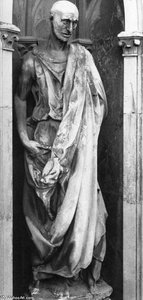
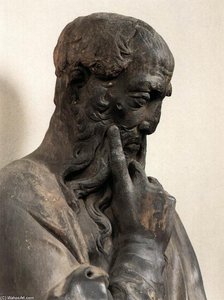
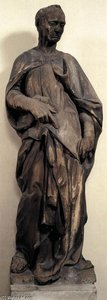
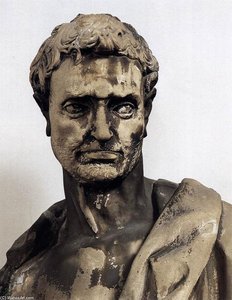
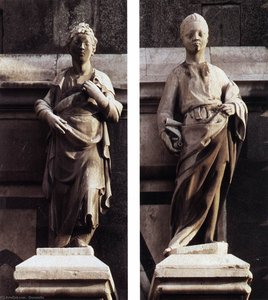
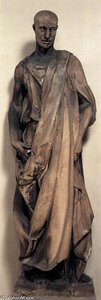
Artist Biography
early life and career
donato di niccolò di betto bardi, known as donatello, was born in florence, italy around 1386. he studied classical sculpture, which heavily influenced his development of an early renaissance style. this new approach to art and culture would eventually become the hallmark of the florentine renaissance.key works and innovations
donatello's most famous work, david, was the first freestanding nude male sculpture since antiquity. commissioned by the medici family, it showcased his innovative style and technical expertise. other notable works include:- st. louis of toulouse (now in the museum of the basilica di santa croce), which featured a classical frame designed by donatello.
- the sacrifice of isaac, created for the campanile of santa maria del fiore in florence, characterized by strong portrait details.
- crucifix (1425) for santa croce, which portrayed christ in a moment of agony.
artistic style and legacy
donatello's style can be divided into broad phases, beginning with the development of expressiveness and classical monumentality. his work was not immediately accepted by the community but eventually became the most popular, influencing other italian courts and european artists. key art movements:personal life and working style
donatello was known for being amiable and well-liked, but poor at the business side of his career. he tended to accept more commissions than he could handle, often completing works late or handing them over to other sculptors. notable artworks and artists:- leonardo da vinci: annunciation (detail)
- amico aspertini: statua di pan/leone che azzanna un cavallo
- michelangelo buonarroti: tondo pitt
museums and art collections:
- museo della collegiata (empoli, italy): a hidden gem of the renaissance, featuring works by francesco botticini and raffaello botticini.
- the early italian renaissance art movement
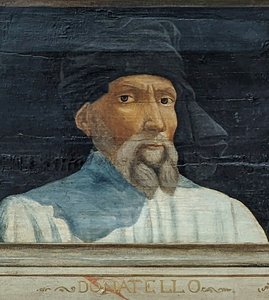
Donatello
1386 - 1466 , Italy
Quick Facts
- Artistic Movement Or Style: Early Renaissance
- Artists Or Movements Influenced By This Artist:
- Italian Renaissance
- Early Renaissance
- Florentine Renaissance
- Artists Who Influenced This Artist: ['Classical sculpture']
- Date Of Birth: c. 1386
- Date Of Death: 1466
- Full Name: Donatello di Niccolò
- Nationality: Italian
- Notable Artworks:
- David
- St. Louis of Toulouse
- Sacrifice of Isaac
- Crucifix
- Place Of Birth: Florence, Italy

