 Preview
 Send
Send Share
Share
 Details

 Download
 Similars
 X-Ray
X-Ray Diaporama
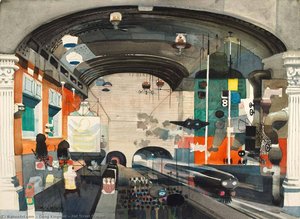
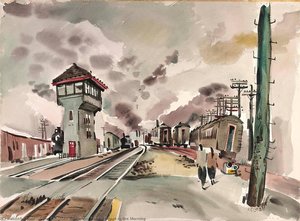
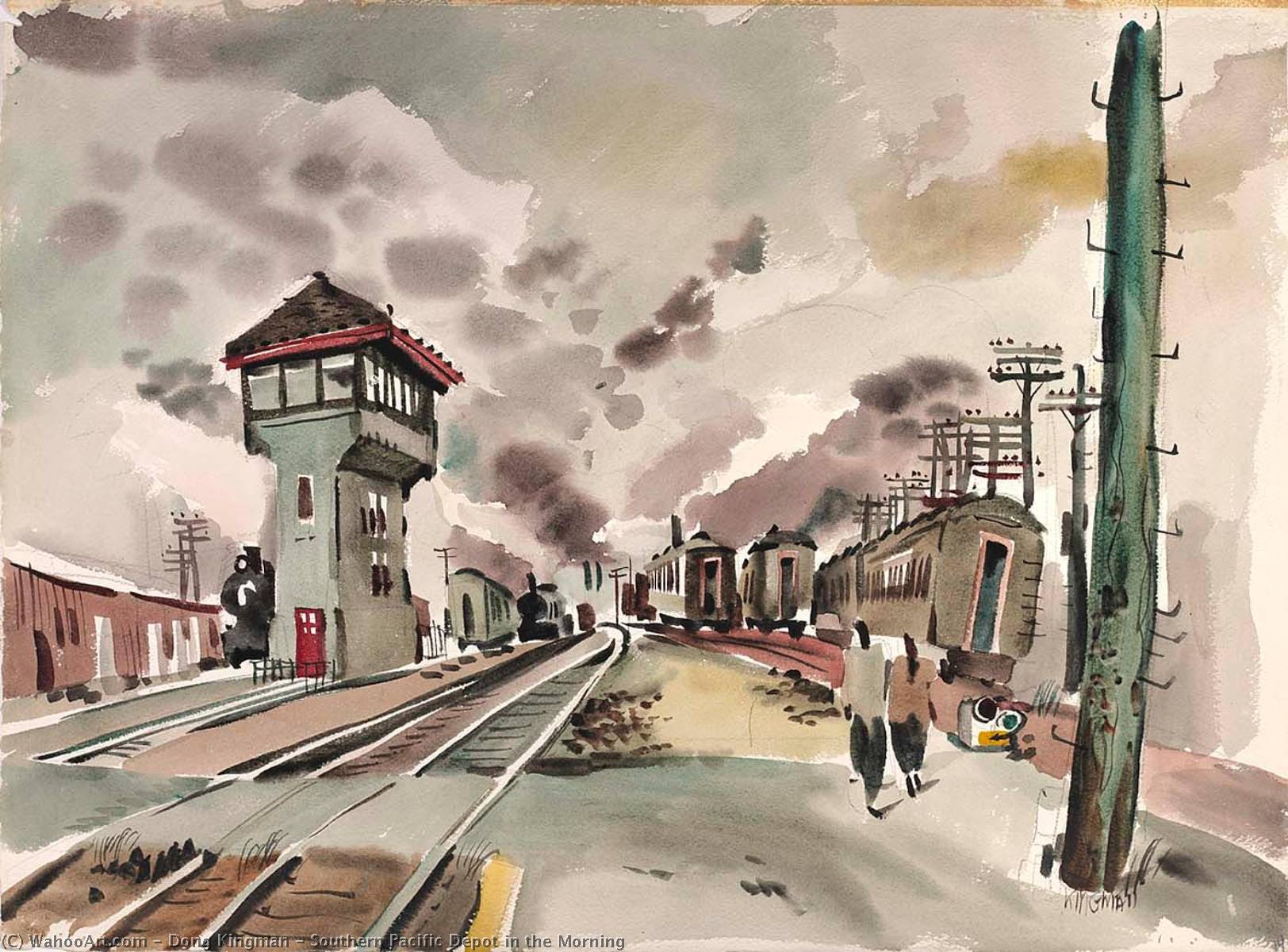
Southern Pacific Depot in the Morning
 1940
1940 51.0 x 66.0 cm
 Read More
Hand Made Oil Reproduction
Hand-painted oil on canvas in your size and frame, made to order by our artists. ( Buy Print Buy Image)




































Pick from our preset sizes that match the artwork's original proportions.

You may enter your own dimensions to fit a specific frame or space. If your selected size does not match the original image's proportions, we will either crop the artwork or extend the painting with additional hand-painted elements. A digital mockup will be sent for your approval before production begins.
Please note that the on-screen preview does not reflect the actual cropping or extension. Only the mockup will accurately show the final composition.
While custom sizes are available, we recommend selecting a dimension from the predefined list to preserve the original proportions.
After order, ArtsDot.com team will email client for instructions and provide a mockup preview
Worldwide Delivery () in 3/4 weeks instead of standard 5 weeks. (29 August). No compromise on quality.

Free Worldwide Express Shipping

High-Quality Linen Canvas

Full Shipping Insurance

Customs Tax Refund Guarantee

True Color Matching Guarantee

60-Day Return Policy (Defects Only)

100% Money-Back Guarantee

Bulk Discount Offer
 Glass option is only available in size under 110 CM

Southern Pacific Depot in the Morning
Reproduction Medium
Reproduction Size
-


Total Price
$ 263
Related Artworks









Artist Biography
A Symphony of Light and Line: The Legacy of Dong Kingman
To gaze upon a watercolor by Dong Kingman is to witness a vibrant dialogue between two worlds. A master of the California Style School, Kingman possessed the rare ability to translate the bustling energy of urban life and the serene majesty of the American West into fluid, luminous compositions. His work does not merely sit upon the paper; it breathes with a rhythmic vitality, capturing the fleeting essence of a moment through a sophisticated synthesis of Eastern calligraphic precision and Western Impressionist light. Born Dong Moy Shu in Oakland, California, his life was a journey of cultural integration, moving from the ancestral echoes of Hong Kong back to the golden landscapes of his American home, ultimately creating a visual language that felt both intimately personal and universally evocative.
The foundations of Kingman’s artistry were laid in the vibrant atmosphere of his youth in Hong Kong. It was here, under the tutelage of masters like Szeto Wai, that he first encountered the disciplined beauty of Chinese calligraphy and traditional landscape painting. These early lessons instilled in him a profound respect for the economy of line—the idea that a single, confident stroke could convey immense weight or delicate movement. This Eastern sensibility became the heartbeat of his technique. When he returned to the United States, this heritage met the burgeoning influences of Western modernism. His studies at Yale and his exposure to the works of Impressionist legends like Monet allowed him to marry the structural elegance of the East with a fascination for the atmospheric effects of light and color that defined the West.
The California Style and the Art of Spontaneity
As Kingman emerged as a pivotal figure in the mid-20th century, he became a leading voice in the California Style School. This movement sought to celebrate the unique topography and light of the American West, moving away from the rigid photographic realism of previous eras toward something far more expressive. Kingman’s approach was characterized by a deliberate avoidance of meticulous, stifling detail. Instead, he embraced a looser, more spontaneous brushwork that prioritized the impression of a scene over its literal documentation. He mastered the art of layering translucent washes of watercolor, creating depths of color that seemed to glow from within, much like the sun-drenched coastlines and bustling depots he so loved to paint.
His subject matter was as diverse as his technique. Kingman had an uncanny eye for the drama found in the everyday:
- Urban Landscapes: He captured the rhythmic chaos of city streets, bridges, and transit hubs with a graphic energy that felt almost cinematic.
- Coastal Vistas: His depictions of the California coastline utilized soft, bleeding edges to evoke the mist and salt spray of the Pacific.
- Architectural Marvels: From massive bridges to humble train stations, he treated man-made structures with a poetic reverence, finding beauty in their industrial geometry.
A Lasting Impression on American Art
The significance of Dong Kingman extends far beyond the borders of California. His career was marked by widespread critical acclaim, earning him a place in some of the most prestigious institutions in the world. His works are not merely decorations but historical documents that capture the spirit of an era. The presence of his paintings in collections such as the Metropolitan Museum of Art, the Art Institute of Chicago, and the National Gallery of Art serves as a testament to his enduring impact on the American canon.
Beyond the canvas, Kingman’s versatility even touched the glamour of the Hollywood film industry through his graphic design work, proving that his eye for composition was as effective in motion and design as it was in watercolor. He remains a bridge between cultures—a painter who took the ink-and-brush traditions of his ancestors and infused them with the sunlight and scale of the American dream. Today, we remember him not just as a watercolorist, but as a visionary who taught us how to see the world through a lens of color, movement, and boundless light.
Quick Facts
- Artistic Movement Or Style: California Style School
- Artists Or Movements Influenced By This Artist: ['American Watercolor']
- Artists Who Influenced This Artist:
- George Stout
- Maurice Sendak
- Date Of Birth: March 31, 1911
- Date Of Death: May 12, 2000
- Full Name: Dong Kingman
- Nationality: Chinese American
- Notable Artworks:
- Nut Street Station
- Southern Pacific Depot in the Morning
- Coastline, California
- Place Of Birth: Shanghai, China