

 Send
Send Share
Share
 Details

 Download
 Similars
 Diaporama
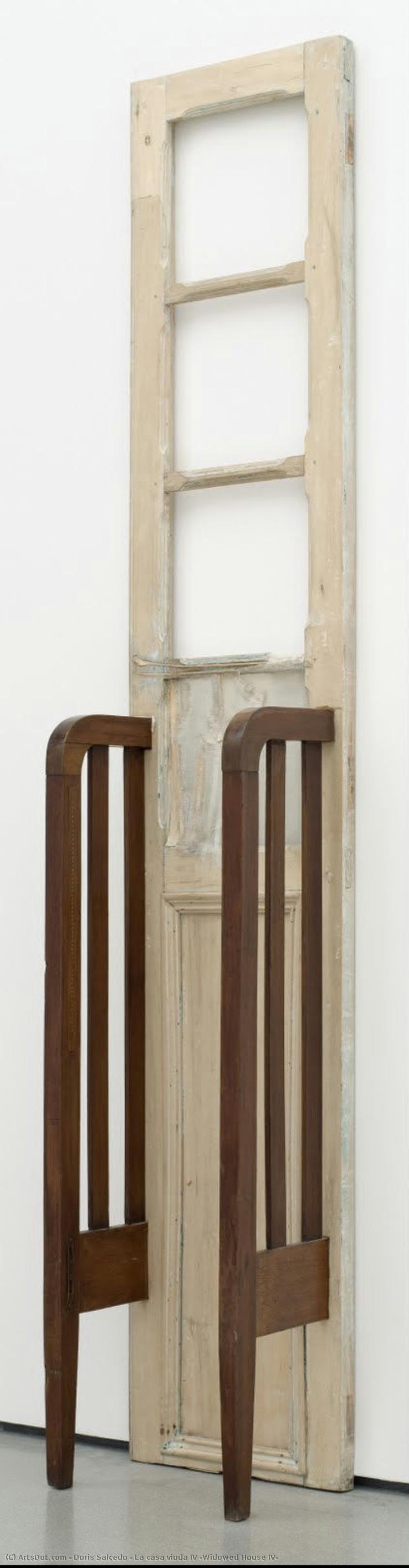
La casa viuda IV (Widowed House IV)
 Sculpture
- Sculpture
- Contemporary Sculpture
 1994
1994 59.0 x 33.0 cm
 MOMA - Museum of Modern Art
 Read More
Purchase a high-resolution, enhanced digital image, far superior to the online preview.
Each file is meticulously prepared by our in-house specialists using advanced tools and expert manual retouching. We ensure every image has exceptional clarity, precise color accuracy, and fine detail.
The final file is delivered via email within 72 hours, optimized for immediate use in professional, editorial, and print environments. This is the same quality trusted by top-tier design studios, publishers, and galleries.
Digital Image
Download a high-resolution file for personal display, printing, and creative projects. ( Buy Print Buy Hand Made Painting)
Included in Every Digital Image Order
Expert Digital Delivery, Guaranteed
When you choose ArtsDot.com, you're not just getting an image - you're receiving a professionally enhanced digital artwork, crafted with precision and backed by a satisfaction guarantee. Here's everything that comes with your order, automatically:

Fast Email Delivery
Your high-resolution digital image file will be emailed to you within 72 hours of ordering - ready for immediate use.

AI-Enhanced Digital File
Your artwork is professionally optimized using advanced AI tools and manual editing, ensuring maximum detail, clarity, and color accuracy.

Free Lifetime Re-Delivery
Accidentally deleted or lost your file? No worries - we'll resend it to you anytime, free of charge.

No Import Fees - Ever
Enjoy your artwork instantly with zero customs, duties, or delivery fees - digital downloads are always tax-free.

Color Accuracy Guarantee
We ensure your digital image reflects the original colors as closely as possible using professional tools and color management.

60-Day Satisfaction Guarantee
If you're not satisfied with your digital image, we'll revise it or refund 100% within 60 days - no questions asked.

100% Money-Back Guarantee
Not satisfied? Get a full refund within 60 days of receiving your digital file - no questions asked.

Bulk Order Discounts
Buy 3 images, save 10% - Buy 5, save 15% - Buy 10+, save 20%. Great for creative projects, galleries, and agencies.
Collectible Description
The Weight of Absence: Introducing Doris Salcedo’s “La Casa Viuda IV”
Doris Salcedo's "La Casa Viuda IV" (Widowed House IV), a monumental sculpture created in 1994, isn’t merely an artwork; it’s a visceral embodiment of loss and the enduring scars left by conflict. Born in Bogota, Colombia, during a period of intense political upheaval – a time when her father disappeared amidst the violence of the armed struggle – Salcedo's artistic trajectory is inextricably linked to themes of displacement, memory, and the profound silence that follows trauma. This particular piece, part of a larger series exploring the concept of “widowed houses,” transcends simple representation; it’s an invitation to confront uncomfortable truths about human suffering and the fragmented nature of identity.
A Structure of Memory: Form and Technique
The sculpture itself is deceptively simple in its construction. Salcedo utilizes a meticulously crafted wooden ladder, leaning against a wall, the very foundation of this evocative space. Upon this precarious perch rests a bed – not a luxurious one, but a stark, functional form constructed from wood and fabric. The deliberate austerity of the materials—raw timber, unadorned linen—contrasts sharply with the implied domesticity of the scene. This juxtaposition immediately establishes a sense of unease, suggesting a home stripped bare, reduced to its essential components. The ladder’s angle, slightly off-kilter, contributes to this feeling of instability and vulnerability. Salcedo's technique is characterized by an almost surgical precision; each element is carefully considered, contributing to the overall impact with quiet intensity.
Echoes of Colombia: Historical Context and Symbolism
To fully appreciate “La Casa Viuda IV,” it’s crucial to understand its roots within the turbulent history of Colombia. The late 1980s and early 1990s witnessed a brutal civil war, marked by disappearances, massacres, and widespread violence against civilians. Salcedo's work directly responds to this context, referencing the countless homes shattered and families torn apart. The ladder represents not just a means of access but also a fragile connection—a precarious pathway between life and death, presence and absence. The bed symbolizes the remnants of domesticity, a space for mourning and remembrance. The very act of placing a bed atop a leaning ladder speaks volumes about the disruption of everyday routines and the imposition of violence upon the sanctity of the home.
Beyond Representation: An Emotional Resonance
Unlike many artists who attempt to directly depict the horrors of conflict, Salcedo avoids overt symbolism. Instead, she creates an atmosphere of profound sadness and quiet contemplation. “La Casa Viuda IV” doesn’t scream its message; it whispers it through the careful arrangement of materials and the subtle suggestion of loss. The sculpture invites viewers to project their own experiences of grief and trauma onto the scene, fostering a deeply personal connection. It's a reminder that violence leaves indelible marks—not just on physical landscapes but also on the collective psyche. The piece’s enduring power lies in its ability to evoke a sense of vulnerability and empathy, prompting us to confront the uncomfortable realities of human suffering and the long-lasting consequences of conflict. Its stark simplicity belies a complex emotional landscape, making it a truly unforgettable work of art.
Related Artworks

Artist Biography
Doris Salcedo: Sculpting Absence and Bearing Witness
Born in the vibrant yet turbulent landscape of Bogota, Colombia, in 1958, Doris Salcedo has emerged as one of the most profound voices in contemporary sculpture. Her work does not merely represent history; it inhabits the hollow spaces left behind by tragedy. To encounter a Salcedo installation is to confront the visceral reality of loss, displacement, and the enduring scars of political violence. Her practice is deeply rooted in her personal connection to the Colombian conflict, particularly the haunting disappearance of her father, an experience that instilled in her a lifelong sensitivity to the themes of absence and the fragility of human existence.
Salcedo’s artistic evolution is marked by a transition from exploring individual vulnerability to addressing collective trauma. Influenced by the raw, organic textures of artists such as Louise Bourgeois and Eva Hesse, she developed a language that speaks through the weight of silence. Her early explorations into sculptural forms mirrored the instability of a society in flux, yet it was her unique ability to manipulate the mundane that truly defined her mastery. She does not seek to create monuments of glory, but rather memorials of grief, turning the gaze toward those who have been erased from the historical record.
The Alchemy of the Everyday: Material and Symbolism
What distinguishes Salcedo from her contemporaries is her profound engagement with the material world. She possesses a singular ability to transform commonplace, domestic objects into potent symbols of mourning. By utilizing items such as wooden furniture, clothing, concrete slabs, and even rose petals, she bridges the gap between the private sphere of the home and the public sphere of political upheaval. Her technique involves a deliberate disruption of the object's original function, often through:
- Perforations and Incisions: Creating wounds within solid materials to mirror the physical and psychological trauma inflicted by violence.
- Encapsulation: Using substances like concrete or wax to trap objects, effectively freezing a moment of loss in time.
- Repurposing: Taking items with deep personal histories, such as worn shoes or old clothing, and recontextualizing them within larger, often overwhelming, installations.
In works like Atrabiliarios, Salcedo uses repurposed shoes encased in niches of drywall, creating a haunting dialogue between the traces of human presence and the cold, impenetrable barrier of the wall. This method forces the viewer to acknowledge the individual lives that have been disrupted, turning the act of looking into an act of remembrance.
A Legacy of Memory and Human Rights
The historical significance of Doris Salcedo lies in her ability to make the invisible visible. Her sculptures serve as a form of "counter-monumentality," resisting the urge to celebrate power and instead focusing on the quiet, persistent ache of those left behind. Through pieces such as La Casa Viuda IV, she evokes the profound sense of displacement felt by millions during Colombia’s period of intense conflict, turning wooden structures into meditations on the loss of home and identity.
Her achievements extend far beyond the gallery walls, as her work has become a vital component of the global conversation regarding human rights and social justice. By elevating the debris of daily life to the level of high art, she ensures that the victims of political violence are not forgotten by history. Salcedo’s legacy is one of profound empathy, reminding us that while violence may attempt to erase individuals, the traces they leave behind—in the objects they touched and the spaces they inhabited—remain as indelible witnesses to their existence.
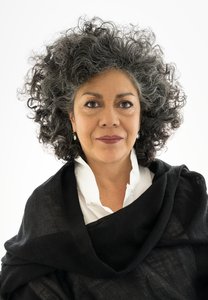
Doris Salcedo
1958 - , Colombia
Quick Facts
- Artistic Movement Or Style: Contemporary Sculpture
- Artists Or Movements Influenced By This Artist: ['']
- Artists Who Influenced This Artist: ['']
- Date Of Birth: 1958
- Full Name: Doris Salcedo
- Nationality: Colombian
- Notable Artworks:
- años de la pérdida
- La casa viuda IV
- Atrabiliarios
- Place Of Birth: Bogota, Colombia

