

 Preview
 Send
Send Share
Share
 Details

 Download
 Similars
 X-Ray
X-Ray Diaporama
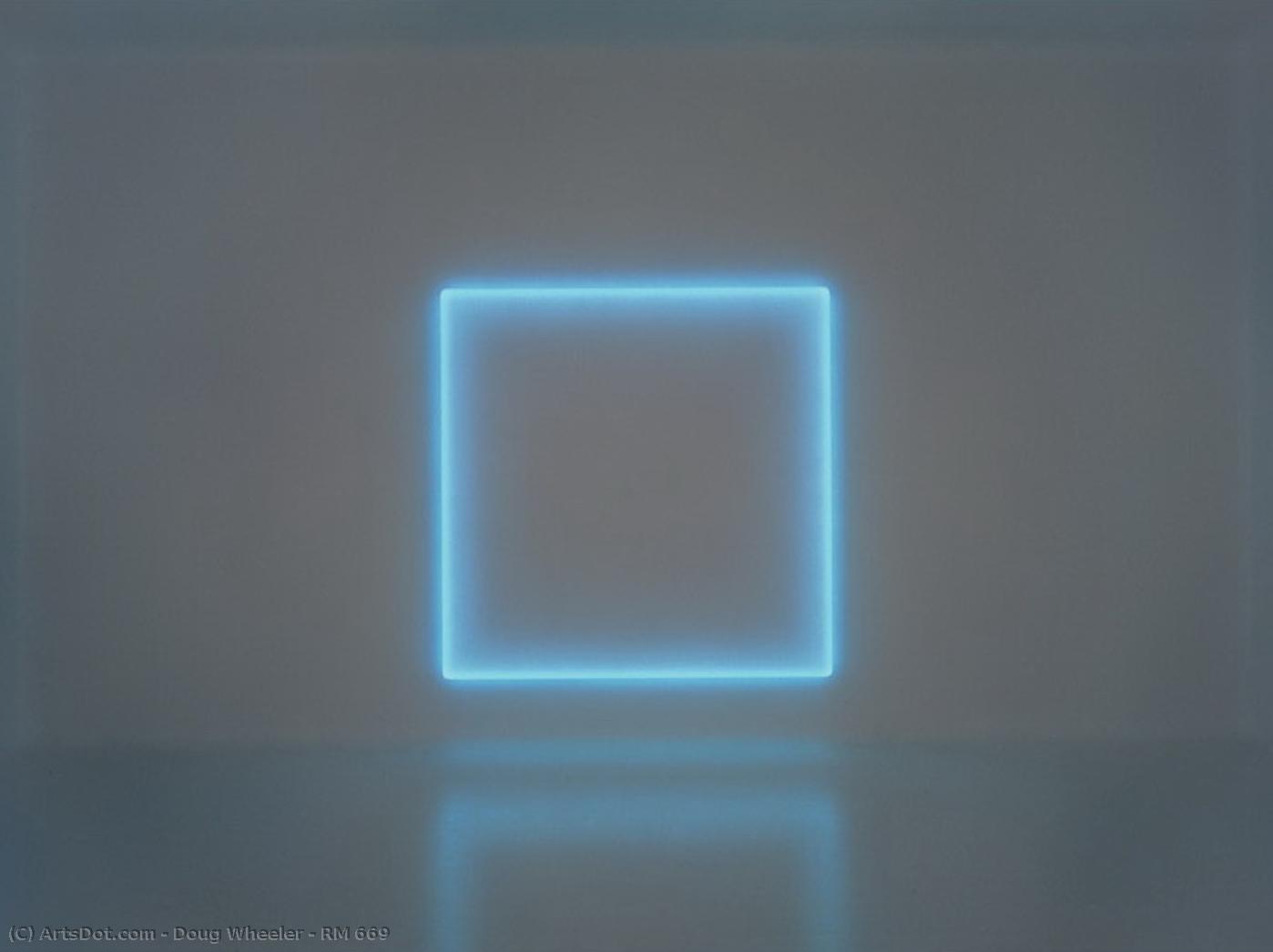
RM 669


 Read More
Purchase a high-resolution, enhanced digital image, far superior to the online preview.
Each file is meticulously prepared by our in-house specialists using advanced tools and expert manual retouching. We ensure every image has exceptional clarity, precise color accuracy, and fine detail.
The final file is delivered via email within 72 hours, optimized for immediate use in professional, editorial, and print environments. This is the same quality trusted by top-tier design studios, publishers, and galleries.
Digital Image
Download a high-resolution file for personal display, printing, and creative projects. ( Buy Print Buy Hand Made Painting)
Included in Every Digital Image Order
Expert Digital Delivery, Guaranteed
When you choose ArtsDot.com, you're not just getting an image - you're receiving a professionally enhanced digital artwork, crafted with precision and backed by a satisfaction guarantee. Here's everything that comes with your order, automatically:

Fast Email Delivery
Your high-resolution digital image file will be emailed to you within 72 hours of ordering - ready for immediate use.

AI-Enhanced Digital File
Your artwork is professionally optimized using advanced AI tools and manual editing, ensuring maximum detail, clarity, and color accuracy.

Free Lifetime Re-Delivery
Accidentally deleted or lost your file? No worries - we'll resend it to you anytime, free of charge.

No Import Fees - Ever
Enjoy your artwork instantly with zero customs, duties, or delivery fees - digital downloads are always tax-free.

Color Accuracy Guarantee
We ensure your digital image reflects the original colors as closely as possible using professional tools and color management.

100-Day Satisfaction Guarantee
If you're not satisfied with your digital image, we'll revise it or refund 100% within 100 days - no questions asked.

100% Money-Back Guarantee
Not satisfied? Get a full refund within 100 days of receiving your digital file - no questions asked.

Bulk Order Discounts
Buy 3 images, save 10% - Buy 5, save 15% - Buy 10+, save 20%. Great for creative projects, galleries, and agencies.
Related Artworks

Artist Biography
Doug Wheeler: Architect of Silence and Infinite Space
Doug Wheeler’s art isn't simply about seeing; it’s about experiencing. Born in the stark, expansive landscapes of rural Arizona in 1939, his early life—defined by the vastness of the desert sky and the quiet solitude of a small mining town—became the foundational element of an artistic vision dedicated to exploring the relationship between light, space, and perception. This inherent connection to scale and emptiness would profoundly shape his career, leading him to become one of the most influential figures in the “Light and Space” movement that emerged in Southern California during the 1960s – a period marked by experimentation with materials, architecture, and the very nature of visual experience.
Wheeler’s artistic journey began not with paintbrushes but with airplanes. Growing up surrounded by his pilot father's flying career instilled within him an acute awareness of spatial relationships, aerial perspectives, and the subtle shifts in light across vast distances. This fascination translated into a deep interest in architecture, which he pursued at the Chouinard Art Institute (now CalArts) in Los Angeles. It was here that he began to move beyond traditional painting, experimenting with materials like spray paint – initially using them to create diffused, almost ethereal environments—that ultimately led him to his breakthrough: the creation of absolute light installations. These early works, such as “Environmental Light” (1969), were revolutionary for their time, transforming gallery spaces into immersive experiences that challenged viewers’ sense of reality and spatial awareness. The installation utilized a single row of daylight neon light embedded within a viewing aperture, effectively dissolving the boundaries between the artwork and the surrounding space.
The Language of Encasements and Infinite Chambers
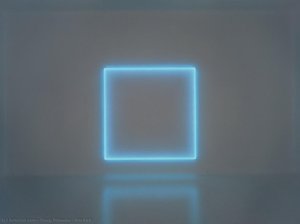
A defining characteristic of Wheeler's work is his exploration of “encasements”— slender, monochrome plastic squares containing embedded neon lights. These pieces, often installed in pristine white rooms with precisely coved corners, create a subtle yet powerful illusion of depth and infinity. The light emanating from the edges of the encasement seems to stretch endlessly into the surrounding space, blurring the distinction between the artwork and its environment. This technique, developed throughout the 1970s, became a signature element of his practice, representing a deliberate attempt to strip away visual distractions and focus the viewer’s attention on the fundamental elements of light and form.
Perhaps Wheeler's most ambitious and critically acclaimed project is “PSAD: Synthetic Desert III” (2017), an installation at the Guggenheim Museum in New York. The museum was transformed into a hermetically sealed, soundproof chamber—effectively isolating it from the external world. Within this space, visitors experienced a profound sense of silence and emptiness, accompanied by a subtle shift in light that mimicked the transition between dawn and dusk. This work, rooted in drawings conceived in 1971, demonstrated Wheeler’s ability to manipulate architecture and sensory perception to create an intensely evocative and contemplative experience. The installation was lauded for its ability to evoke a sense of both vastness and intimacy, prompting viewers to confront their own perceptions of space and time.
Influences and Artistic Legacy
Wheeler's work is deeply influenced by Minimalism, Zen Buddhism, and the writings of philosophers like Immanuel Kant. He shares with Minimalist artists a commitment to reducing art to its essential components—light, form, and space—while simultaneously drawing on Eastern philosophies that emphasize the importance of meditation and direct experience. The concept of “pure sensation,” central to both Minimalism and Zen, is reflected in Wheeler’s installations, which aim to create environments that bypass intellectual analysis and engage the viewer directly with their senses.
Doug Wheeler's legacy extends far beyond his individual creations. He played a pivotal role in shaping the Light and Space movement, alongside artists like Robert Irwin and James Turrell, and he continues to inspire contemporary artists working across various media. His work challenges viewers to reconsider their relationship with space, light, and perception—to question the boundaries of reality and embrace the potential for transformative experience. His influence can be seen in the proliferation of immersive installations and sensory environments that have become increasingly prevalent in contemporary art and architecture, solidifying his position as a visionary pioneer.
Recent Developments and Continuing Exploration
In 2024, Wheeler presented “DN ND WD 180 EN - NY 24,” a new installation at David Zwirner Gallery in New York. This work further explored the perceptual possibilities of light and space, creating an environment that evokes the sensation of entering an infinite void. The piece demonstrates Wheeler’s ongoing commitment to pushing the boundaries of sensory experience and challenging viewers' understanding of reality. His continued experimentation with architecture, lighting, and sound suggests a lifelong dedication to exploring the fundamental elements of perception and their profound impact on human consciousness.
doug wheeler
United States of America
Quick Facts
- Artistic Movement Or Style: Light and Space
- Artists Or Movements Influenced By This Artist:
- Larry Bell
- Minimalism
- Artists Who Influenced This Artist:
- Robert Irwin
- James Turrell
- Date Of Birth: December 29, 1939
- Full Name: Doug Wheeler
- Nationality: American
- Notable Artworks:
- PSAD Synthetic Desert III
- Rotational Horizontal Work
- Place Of Birth: Globe, Arizona, USA