 Preview
 Send
Send Share
Share
 Details

 Download
 Similars
 X-Ray
X-Ray Diaporama
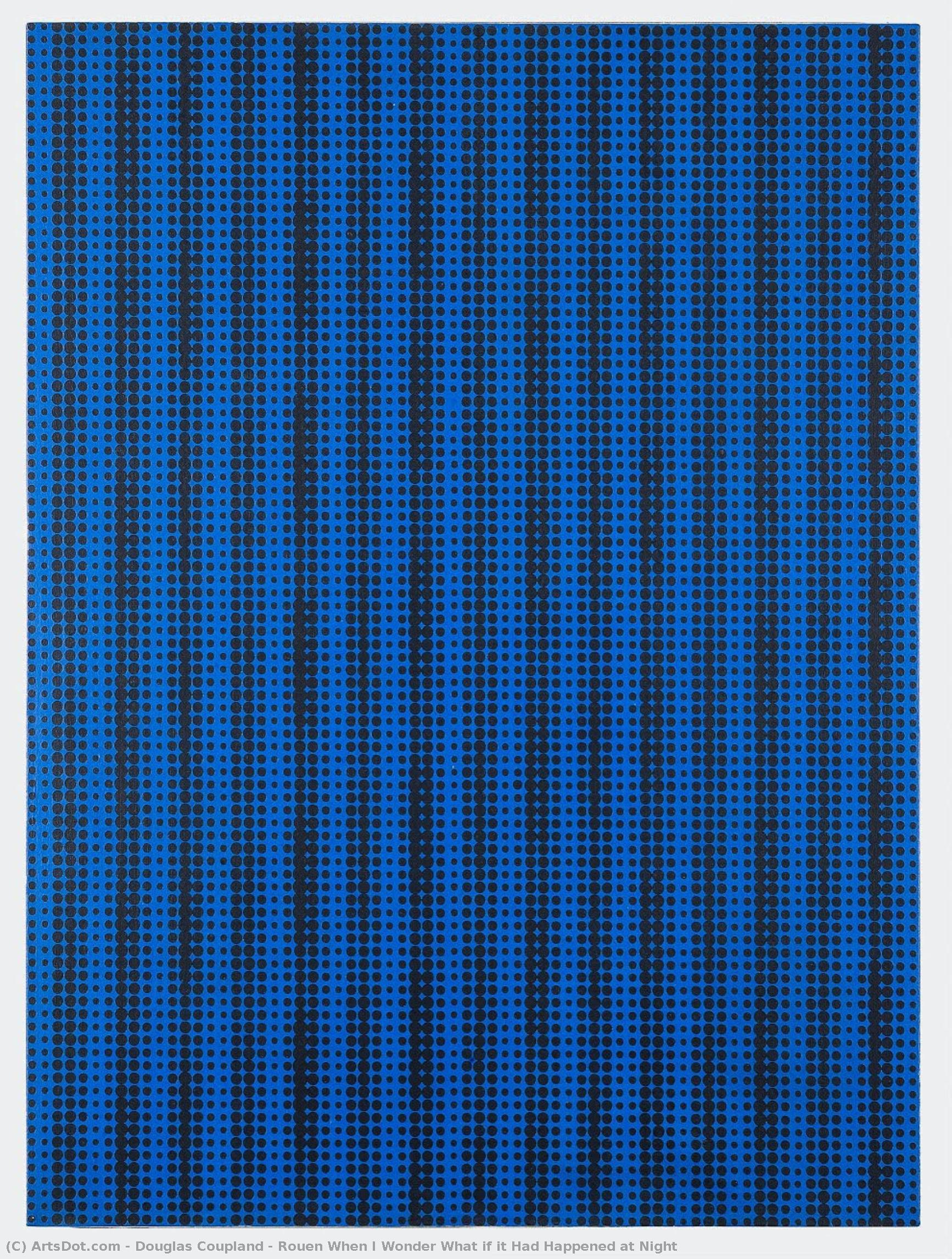
Rouen When I Wonder What if it Had Happened at Night
 Acrylic On Canvas
- WallArt
- Contemporary Realism
 76.0 x 101.0 cm
 Vancouver Art Gallery
 Read More
Hand Made Oil Reproduction
Hand-painted oil on canvas in your size and frame, made to order by our artists. ( Buy Print Buy Image)




P118B $10

P118H $10

P118W $10

P438Z $10

P508JH $12

P508YH $12

P805H $10

P805Z $10

P919BZ $10

P919G $10

P919XJ $10

P959ZH $10

P968JZ $12

W106C $8

W218G $10

W218JH $8

W218Y $10

W307PJ $10

W316G $10

W316PJ $8

W316Y $10

W398PJ $8

W4111J $10

W500HY $15

W500JH $15

W692G $12

W849H $8

W940BG $15

W953PJ $8




Pick from our preset sizes that match the artwork's original proportions.

You may enter your own dimensions to fit a specific frame or space. If your selected size does not match the original image's proportions, we will either crop the artwork or extend the painting with additional hand-painted elements. A digital mockup will be sent for your approval before production begins.
Please note that the on-screen preview does not reflect the actual cropping or extension. Only the mockup will accurately show the final composition.
While custom sizes are available, we recommend selecting a dimension from the predefined list to preserve the original proportions.
After order, ArtsDot.com team will email client for instructions and provide a mockup preview
Worldwide Delivery () in 3/4 weeks instead of standard 5 weeks. (24 August). No compromise on quality.

Free Worldwide Express Shipping

High-Quality Linen Canvas

Full Shipping Insurance

Customs Tax Refund Guarantee

True Color Matching Guarantee

60-Day Return Policy (Defects Only)

100% Money-Back Guarantee

Bulk Discount Offer
 Glass option is only available in size under 110 CM

Rouen When I Wonder What if it Had Happened at Night
Reproduction Medium
Reproduction Size
-


Total Price
$ 263
Artwork Description
The Echo of Rouen: Coupland’s Spectral Cathedral
Douglas Coupland's “Rouen When I Wonder What if it Had Happened at Night” isn’t merely a painting; it’s an invitation to linger in the liminal space between memory and speculation. This arresting work, created in 2014 using acrylic on canvas, immediately draws the eye with its cool palette of blues and whites – a deliberate departure from Monet's vibrant depictions of Rouen Cathedral. Coupland isn’t attempting to replicate the Impressionist master’s luminous captures; instead, he employs a fragmented, almost ghostly approach, suggesting a cathedral not as it *was*, but as it might have been, haunted by an unspoken question: “What if?” The painting feels less like a historical record and more like a dream – a fleeting impression of a sacred space filtered through the anxieties and uncertainties of contemporary experience.
A Dialogue with History and Technique
Coupland’s process is deliberately layered, echoing the artistic lineage he engages with. The painting's foundation lies in Monet’s extensive series of Rouen Cathedral paintings, a project that explored the subtle shifts in light and atmosphere across different times of day. Coupland, however, builds upon this tradition by introducing elements of abstraction and digital manipulation – a nod to his broader practice as a visual artist working with QR codes and other technologies. The scattered white dots, reminiscent of a starfield or perhaps even glitching pixels, disrupt the solidity of the cathedral’s façade, hinting at the instability of perception and the fragmented nature of memory. The technique itself is deceptively simple: broad brushstrokes create a sense of texture and depth, while careful layering of blues suggests both distance and an underlying melancholy. The canvas isn't rendered with photographic precision; it’s imbued with a deliberate ambiguity that invites the viewer to actively participate in constructing meaning.
Symbolism and the Weight of ‘What If?’
The title, “Rouen When I Wonder What if it Had Happened at Night,” is crucial to understanding the painting’s emotional core. It immediately establishes a sense of unease and contemplation. The cathedral itself – a symbol of faith, permanence, and timelessness – becomes vulnerable to this hypothetical alteration. Coupland isn't suggesting a catastrophic event; rather, he’s exploring the fragility of belief, the potential for doubt, and the unsettling realization that even the most enduring structures are subject to change and decay. The darkness implied by “night” contrasts sharply with the light-drenched depictions of Monet, intensifying the feeling of loss and uncertainty. The painting can be interpreted as a meditation on mortality, regret, or simply the inherent ambiguity of human experience – questions that have resonated throughout art history.
Beyond Reproduction: A Portal to Reflection
While high-quality reproductions offer a tangible connection to Coupland’s vision, it's important to recognize that the painting’s power resides in its original context and the questions it raises. The subtle shifts in color, the fragmented composition, and the evocative title all contribute to an experience that transcends mere visual representation. Consider how this piece might complement a space – perhaps a study or library where contemplation is valued, or a gallery showcasing works exploring themes of memory and time. The painting’s spectral quality lends itself particularly well to environments with soft lighting, allowing its subtle nuances to emerge fully. Ultimately, “Rouen When I Wonder What if it Had Happened at Night” isn't just a beautiful image; it’s an invitation to engage in a profound dialogue about the nature of reality and the enduring power of human imagination.
Related Artworks
Artist Biography
A Cartographer of Contemporary Culture: The Life and Art of Douglas Coupland
Douglas Coupland emerged onto the cultural landscape in the early 1990s, not simply as a novelist, but as a diagnostician of an era. Born on December 30, 1961, on a Canadian military base in Baden-Söllingen, Germany, his upbringing was one of constant relocation, eventually settling in Vancouver, Canada – a city that would profoundly shape his artistic sensibility. This early experience instilled within him a keen observer’s eye, attuned to the subtle shifts and anxieties of modern life. While initially pursuing sculpture at Emily Carr College of Art and Design, Coupland found his true calling not in molding physical forms but in articulating the intangible textures of contemporary existence through words, and later, through a fascinating blend of visual art and digital technology. He wasn’t merely reflecting culture; he was naming it, giving voice to the unspoken feelings of a generation adrift in a rapidly accelerating world.From Generation X to Visual Commentary
Coupland's breakthrough arrived with the publication of Generation X: Tales for an Accelerated Culture in 1991. The novel wasn’t just a literary success; it was a cultural phenomenon, coining a term that instantly resonated with millions grappling with identity and purpose in the shadow of post-industrial society. Terms like “McJob” entered the lexicon, becoming shorthand for the precariousness and alienation of work in the late 20th century. But Coupland’s ambition extended far beyond simply labeling a generation. He was interested in exploring the psychological landscape of a world saturated with media, consumerism, and technological change. This exploration didn't end with literature. He seamlessly transitioned into visual art, driven by a desire to express his ideas through different mediums. His artistic practice is remarkably diverse, encompassing painting, sculpture, photography, and design – all unified by a consistent thematic thread: an interrogation of modern life. He has authored 13 novels, two short story collections, seven non-fiction books, and numerous screenplays for film and television, demonstrating his prolific creativity.The Language of QR Codes and the Weight of Loss
Coupland’s visual art is characterized by a unique blend of abstraction, pop culture references, and technological innovation. Perhaps most notably, he has become known for his series incorporating QR codes into paintings. These aren't merely decorative elements; they are portals to hidden layers of meaning, inviting viewers to actively engage with the artwork through their smartphones. Scanning these codes reveals concise commentaries, adding another dimension to the visual experience – a testament to Coupland’s fascination with the intersection of art and technology. Beyond this innovative technique, his work often grapples with profound themes of loss and mortality. The Dead Grads Series, for example, is a poignant tribute to young lives tragically cut short, each painting bearing titles like “Gun,” “Car Crash,” and “Overdose” – stark reminders of the fragility of life and the enduring impact of grief. Silver Boogeyman, a striking piece that reveals the face of Osama bin Laden when viewed through a smartphone screen, exemplifies his ability to provoke thought and challenge perceptions, forcing viewers to confront uncomfortable truths about the post-9/11 world.Sculptural Statements and National Identity
Coupland’s artistic vision extends beyond two-dimensional canvases into the realm of sculpture. The Ice Storm, a monumental steel structure, stands as a powerful reflection on Canadian identity and vulnerability. The sculpture's form evokes both strength and fragility, mirroring the complexities of the nation’s history and its relationship to the natural world. His mixed media collages, such as God, demonstrate his mastery of layering techniques and graphic design skills, incorporating symbolic elements like “Lord Jim” and a geometric ‘D’ to create visually arresting compositions that invite multiple interpretations. These works are not simply aesthetic objects; they are intellectual puzzles, demanding active engagement from the viewer. His work has been showcased in prestigious venues such as the Vancouver Art Gallery and the McMichael Canadian Art Collection, solidifying his position as a significant figure in contemporary art.Legacy of Observation and Innovation
Douglas Coupland’s contributions to both literature and visual art have earned him widespread recognition, including being appointed an Officer of the Order of Canada and membership in the Order of British Columbia. He remains a vital voice in Canadian arts and letters, known for his insightful observations, innovative artistic expression, and willingness to tackle complex social and cultural issues. His work continues to resonate with audiences worldwide, prompting dialogue on contemporary culture, technology, and the human condition. Coupland isn’t just an artist; he is a cultural cartographer, mapping the ever-shifting terrain of modern life with both precision and empathy. He has left an indelible mark on our understanding of ourselves and the world around us, ensuring his place as one of Canada's most important contemporary artists.- Key Themes: Generation X, digital culture, technology, loss, identity, consumerism, Canadian identity.
- Influences: Pop art, minimalism, constructivism, Japanese business science, contemporary literature.
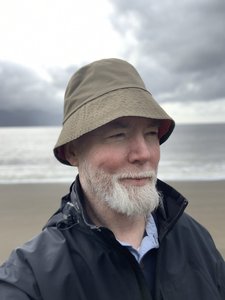
Douglas Coupland
1961 - , Canada
Quick Facts
- Artistic Movement Or Style: Pop art, Digital culture
- Date Of Birth: December 30, 1961
- Full Name: Douglas Coupland
- Nationality: Canadian
- Notable Artworks:
- God
- The Ice Storm
- Thomson No. 5
- Silver Boogeyman
- Place Of Birth: Vancouver, Canada
Related Articles

Slate Blue Masterpieces: 10 Iconic Paintings & Timeless Home Decor Ideas
Immerse yourself in the captivating world of slate blue! Explore 10 iconic paintings by Monet, Van Gogh & Renoir. Discover their stories, techniques & find museum-quality art reproductions for your home at .
The Allure of Azure: Exploring the Symbolic & Aesthetic Depths of Blue in Art History
Explore the rich history of blue in art! Discover its symbolism, from ancient pigments to modern masterpieces by Kandinsky & Seurat. Uncover the psychological impact and cultural meanings behind this captivating hue.
Acrylic on Paper: A Modern Canvas for Contemporary Expression
Explore the versatility of acrylic painting on paper! Discover expert techniques, artist insights & archival practices for creating stunning contemporary art. Learn more at ArtsDot.

Acrylic on Canvas: A Modern Masterpiece – Technique, History & Contemporary Expression
Explore the world of acrylic on canvas! Discover its history, techniques & contemporary applications with expert insights from ArtsDot. Find inspiration and elevate your art collection today.
Acrylic on Canvas: A Modern Medium for Artistic Expression
Explore the versatility of acrylic paint on canvas! This guide provides art students with expert techniques, material insights & inspiration from contemporary artists. Start creating today!