 Preview
 Send
Send Share
Share
 Details

 Download
 Similars
 X-Ray
X-Ray Diaporama
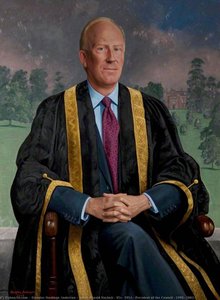
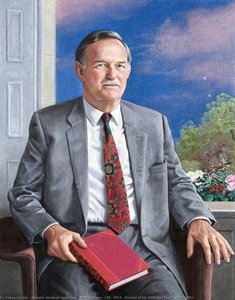
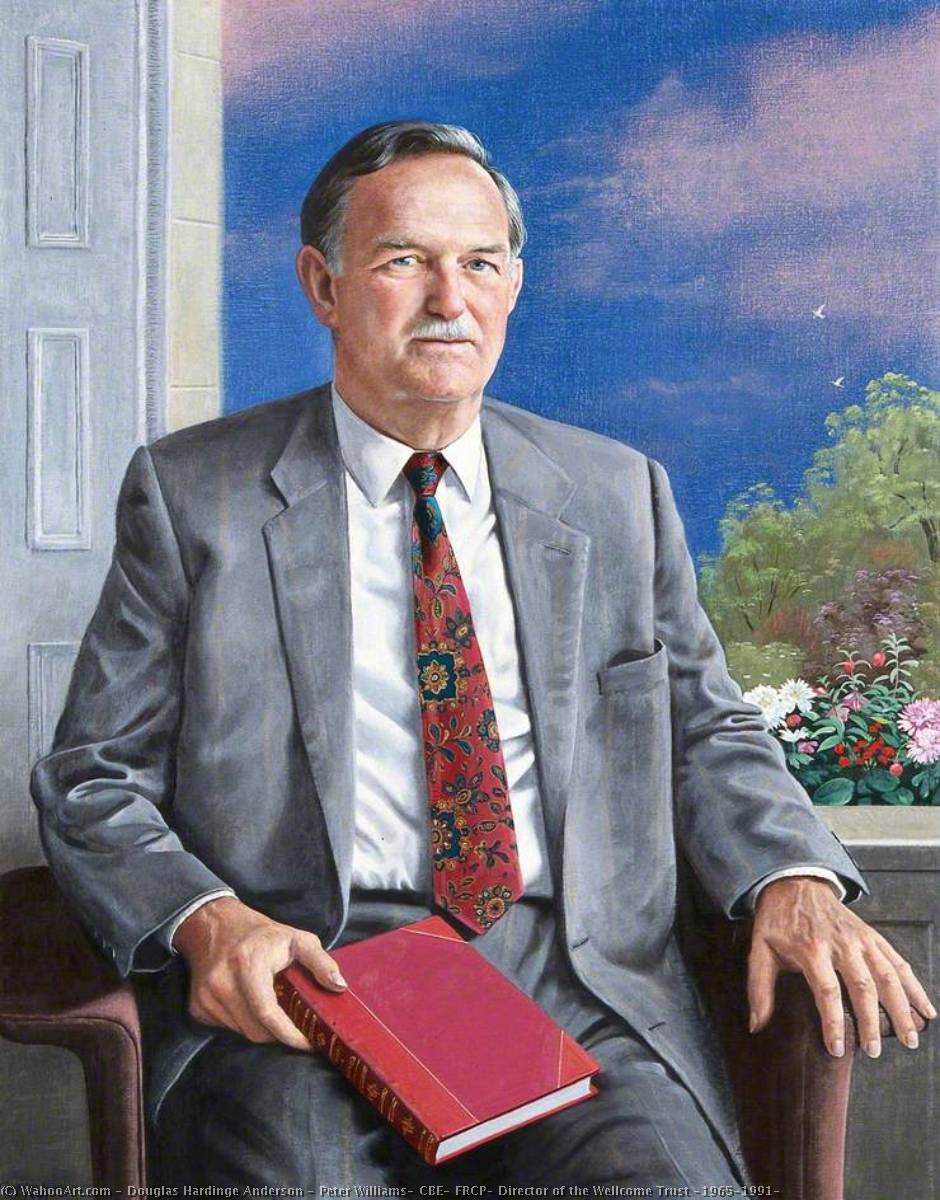
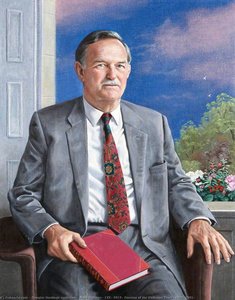
Peter Williams, CBE, FRCP, Director of the Wellcome Trust (1965–1991)
 1991
1991 90.0 x 70.0 cm
 Read More
Giclée / Art Print
Museum-quality giclée or canvas print with fast production and flexible finish options. ( Buy Hand Made Painting Buy Image)




































Pick from our preset sizes that match the artwork's original proportions.

You may enter your own dimensions to fit a specific frame or space. If your selected size does not match the original image's proportions, we will either crop the artwork or extend the image with a mirrored or solid-fill edge. A digital mockup will be sent for your approval before production begins.
Please note that the on-screen preview does not reflect the actual cropping or extension. Only the mockup will accurately show the final composition.
While custom sizes are available, we recommend selecting a dimension from the predefined list to preserve the original proportions.
Worldwide Delivery () in 2 weeks instead of standard 4/5 weeks. (29 August)

Free Worldwide Express Shipping

High-Quality Linen Canvas

Full Shipping Insurance

Customs Tax Refund Guarantee

True Color Matching Guarantee

60-Day Return Policy (Defects Only)

100% Money-Back Guarantee

Bulk Discount Offer
 Glass option is only available in size under 110 CM

Peter Williams, CBE, FRCP, Director of the Wellcome Trust (1965–1991)
Giclée / Art Print
Reproduction Size
-


Total Price
$ 63
Related Artworks









Artist Biography
The Soul Behind the Surface: The Artistry of Douglas Harding Anderson
In the grand tradition of British portraiture, few names evoke the same sense of quiet majesty and meticulous devotion as Douglas Harding Anderson. Born in 1934, Anderson emerged as a master of the human likeness, a painter whose brush did not merely trace the contours of a face but sought to unveil the very essence of his subjects. His career, spanning several decades, became a profound journey through the nuances of identity, marked by an unwavering commitment to the principles of dignified realism. To look upon an Anderson portrait is to encounter a moment frozen in time, where the weight of history and the lightness of a fleeting expression exist in perfect, luminous harmony.
The foundations of his extraordinary skill were laid during his formative years at the Chelsea School of Art, an environment that nurtured his keen eye for detail and anatomical precision. However, it was his time spent studying under the legendary Pietro Annigoni in Florence that truly refined his aesthetic vision. From this encounter with the Italian master, Anderson inherited a reverence for classical technique and a deep understanding of how light interacts with form. This period of intense study allowed him to bridge the gap between traditional academic rigor and a more modern, sensitive approach to psychological depth, ensuring that his work remained both technically flawless and emotionally resonant.
A Mastery of Light and Texture
Anderson’s technical prowess is most evident in his sophisticated use of oil on canvas. He did not simply apply paint; he sculpted with it, employing a delicate layering technique that allowed for an incredible range of tonal gradations. This method enabled him to achieve a characteristic luminosity, where skin appears to glow from within and fabrics possess a palpable, tactile quality. His stylistic sensibilities were deeply rooted in the legacies of Impressionism and Realism, drawing inspiration from the sweeping elegance of John Singer Sargent and the structured grace of Frederic Leighton. Through these influences, he mastered the art of tonal harmony, using subtle shifts in color to guide the viewer's eye across the canvas.
Beyond the mere mechanics of paint, Anderson’s work is defined by a profound empathy for his sitters. He possessed a rare ability to capture the psychological landscape of his subjects, moving past the superficiality of appearance to explore the complexities of character. His portraits are characterized by:
- Anatomical Precision: A rigorous adherence to the true structure of the human form.
- Understated Elegance: A refusal to rely on theatricality, opting instead for a refined and graceful simplicity.
- Emotional Sensitivity: The ability to convey inner states, from quiet contemplation to regal strength, through the subtle movement of an eye or the set of a jaw.
A Legacy of Royal Commissions and Historical Significance
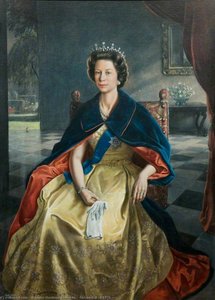
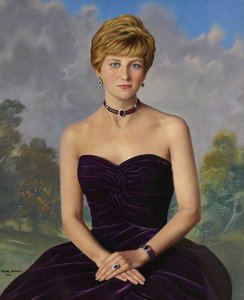
The historical significance of Douglas Harding Anderson is perhaps most visibly etched in his most celebrated commissions. His talent for capturing dignity made him the preferred choice for documenting some of the most iconic figures of the twentieth century. Most notably, his portraits of Queen Elizabeth II and Diana, Princess of Wales stand as monumental achievements in contemporary portraiture. In these works, Anderson achieved a delicate balance; he honored the immense historical weight and ceremonial grandeur of the monarchy while simultaneously capturing the intimate, human vulnerability of the individuals behind the titles.
These portraits serve as more than just historical records; they are artistic meditations on power, grace, and the passage of time. By documenting these figures with such profound respect and technical brilliance, Anderson secured his place in the lineage of great British portraitists. His legacy remains a testament to the enduring power of realism—a reminder that through careful observation and masterful technique, an artist can capture not just what a person looks like, but who they truly are.
douglas hardinge anderson
1934 -
Quick Facts
- Artistic Movement Or Style: Dignified Realism
- Artists Or Movements Influenced By This Artist: ['']
- Artists Who Influenced This Artist: ['']
- Date Of Birth: 1934
- Full Name: Douglas Harding Anderson
- Nationality: British
- Notable Artworks:
- Diana (1961–1997)
- Lord Hussey of North Bradley
- Julian Ronald Haylock