

 Preview
 Send
Send Share
Share
 Details

 Download
 Similars
 X-Ray
X-Ray Diaporama
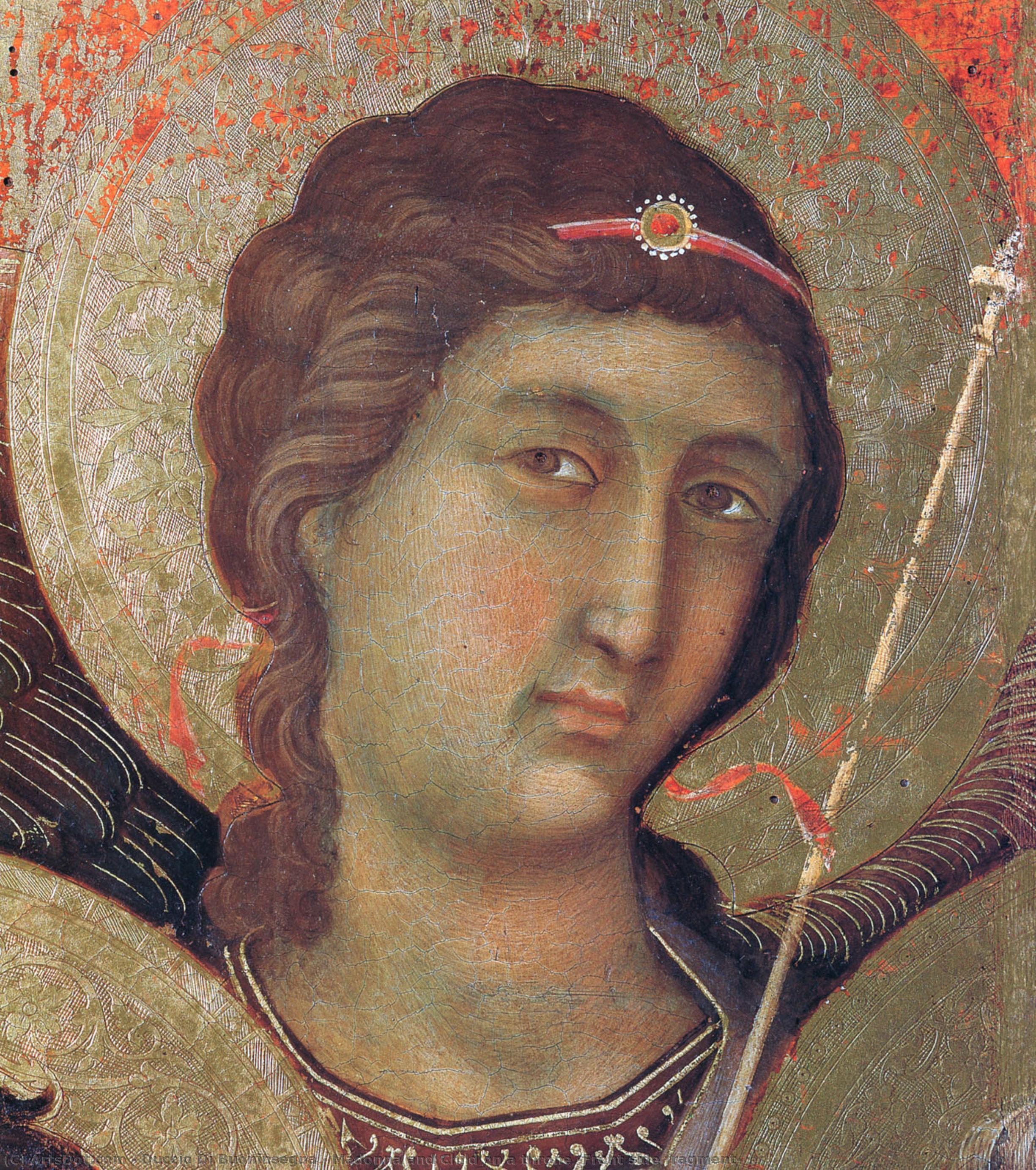
Madonna and Child on a throne (Front side fragment)


 Read More
Purchase a high-resolution, enhanced digital image, far superior to the online preview.
Each file is meticulously prepared by our in-house specialists using advanced tools and expert manual retouching. We ensure every image has exceptional clarity, precise color accuracy, and fine detail.
The final file is delivered via email within 72 hours, optimized for immediate use in professional, editorial, and print environments. This is the same quality trusted by top-tier design studios, publishers, and galleries.
Digital Image
Download a high-resolution file for personal display, printing, and creative projects. ( Buy Print Buy Hand Made Painting)
Included in Every Digital Image Order
Expert Digital Delivery, Guaranteed
When you choose ArtsDot.com, you're not just getting an image - you're receiving a professionally enhanced digital artwork, crafted with precision and backed by a satisfaction guarantee. Here's everything that comes with your order, automatically:

Fast Email Delivery
Your high-resolution digital image file will be emailed to you within 72 hours of ordering - ready for immediate use.

AI-Enhanced Digital File
Your artwork is professionally optimized using advanced AI tools and manual editing, ensuring maximum detail, clarity, and color accuracy.

Free Lifetime Re-Delivery
Accidentally deleted or lost your file? No worries - we'll resend it to you anytime, free of charge.

No Import Fees - Ever
Enjoy your artwork instantly with zero customs, duties, or delivery fees - digital downloads are always tax-free.

Color Accuracy Guarantee
We ensure your digital image reflects the original colors as closely as possible using professional tools and color management.

60-Day Satisfaction Guarantee
If you're not satisfied with your digital image, we'll revise it or refund 100% within 60 days - no questions asked.

100% Money-Back Guarantee
Not satisfied? Get a full refund within 60 days of receiving your digital file - no questions asked.

Bulk Order Discounts
Buy 3 images, save 10% - Buy 5, save 15% - Buy 10+, save 20%. Great for creative projects, galleries, and agencies.
Collectible Description
A Fragment of Divine Majesty: Duccio’s Madonna and Child (1311)
This captivating fragment offers a poignant glimpse into the devotional artistry of Duccio di Buoninsegna, one of the most important figures in early Italian Renaissance painting. Dating to 1311, this panel – originally part of a larger, now-dispersed work – showcases Duccio’s masterful ability to blend Byzantine tradition with emerging Gothic sensibilities. The surviving portion depicts the Virgin Mary enthroned with the Christ Child, flanked by symbolic weaponry.Subject and Composition
The focal point is undoubtedly the *Madonna*, rendered with a regal bearing and crowned, signifying her role as Queen of Heaven. Her long, flowing hair cascades around her shoulders, framing a face that conveys both serene dignity and a subtle undercurrent of sorrow – perhaps foreshadowing the Passion of Christ. The presence of two swords, one on either side of the figures, is particularly striking. These are not symbols of warfare but rather allusions to the *sword of justice* and the *sword of faith*, representing Mary’s intercession and protection against spiritual enemies. While a fragment, the composition suggests a once grand and elaborate throne setting, indicative of the importance and reverence afforded to this devotional image.Style and Technique
Duccio's style is immediately recognizable for its elegant linearity, rich color palette – with red dominating in this surviving section – and increasing naturalism. Though rooted in the Byzantine tradition of gold backgrounds and stylized figures, Duccio began to introduce a greater sense of volume and emotional depth. He achieved this through subtle modeling of forms and delicate shading, moving away from the flat, iconic representations prevalent earlier. The use of tempera on panel was standard for the period, allowing for precise detail and vibrant hues.Historical Context & Artistic Innovation
Created in Siena during a period of significant artistic flourishing, this fragment reflects the city’s unique position as a center of religious and cultural innovation. Duccio's work directly influenced subsequent generations of Sienese painters, including Simone Martini and Niccolò di Segna, who further developed his stylistic innovations. His masterpiece, the *Maestà* altarpiece for Siena Cathedral (1308-1311), cemented his reputation as a leading artist of his time and marked a turning point in Italian painting. This fragment likely originated from another significant commission, demonstrating Duccio’s prolific output and widespread demand.Symbolism & Emotional Resonance
Beyond the swords, the entire image is imbued with religious symbolism. The *Madonna* represents purity, compassion, and divine motherhood. Her gaze, though partially lost in this fragment, would have likely been directed towards the viewer, inviting contemplation and prayer. The red color scheme evokes both royalty and sacrifice, linking Mary to Christ’s eventual crucifixion. The overall emotional impact is one of solemnity, reverence, and a quiet strength – qualities that resonated deeply with medieval audiences and continue to captivate viewers today.For Collectors & Designers
A reproduction of this fragment offers a unique opportunity to bring a piece of early Renaissance history into your space. The rich colors and elegant composition lend themselves well to both traditional and contemporary interiors. Its devotional subject matter adds a layer of spiritual depth, while its artistic merit ensures it will be a conversation starter for years to come. Consider pairing this image with complementary works from the Sienese School or other examples of Trecento art to create a cohesive and inspiring collection.Related Artworks
Artist Biography
The Sienese Luminary: Duccio di Buoninsegna and the Dawn of a New Italian Vision
Duccio di Buoninsegna, born in Siena around 1255, stands as a pivotal figure bridging the stylistic chasm between the Byzantine world and the burgeoning artistic sensibilities of Italy. While biographical details remain frustratingly scarce—the man himself often obscured by the brilliance of his art—his impact on the Sienese School and the trajectory of Italian painting is undeniable. He emerged during a period where religious iconography was deeply entrenched, yet a yearning for greater naturalism and emotional resonance was beginning to stir within artistic circles. Duccio wasn’t merely a painter; he was an innovator who dared to infuse sacred narratives with human feeling, subtly shifting the focus from rigid formality towards a more intimate connection between the divine and the earthly realm. His early training remains somewhat mysterious, though speculation suggests possible influences ranging from Florentine masters to direct exposure to Byzantine artistry—perhaps even travels to Constantinople itself. Whatever his formative experiences, they coalesced into a unique style that would define an era.
A Synthesis of Tradition and Innovation
Duccio’s artistic development wasn't a sudden rupture with the past but rather a graceful evolution. His initial works were deeply rooted in Byzantine conventions: the lavish use of gold leaf to evoke celestial light, stylized figures possessing an ethereal quality, and a meticulous attention to religious symbolism. However, even within these established parameters, Duccio began to subtly introduce elements that foreshadowed his later innovations. He experimented with spatial arrangements, hinting at depth where flatness had previously reigned supreme. His color palettes, while still vibrant, gained a newfound subtlety and harmony. More importantly, he started imbuing his figures with a nascent sense of humanity—a gentle curve of the mouth suggesting a smile, a slight tilt of the head conveying contemplation. This wasn’t a rejection of Byzantine ideals but a refinement, an infusion of life into what had often been static representations. He skillfully blended tradition and innovation, creating a style that was both reverent and remarkably fresh.
Masterpieces of Faith and Artistry
Two works stand as testaments to Duccio’s genius: the *Rucellai Madonna* (1285) and, most famously, the *Maestà* (1308-1311). The *Rucellai Madonna*, commissioned for a chapel in Florence, marked a significant departure from conventional Byzantine iconography. Its composition, while still adhering to traditional forms, displayed a greater sense of spatial organization and a more naturalistic depiction of the Virgin Mary and Child. But it was the *Maestà*—a monumental altarpiece created for Siena Cathedral—that truly cemented Duccio’s legacy. This sprawling masterpiece comprises numerous panels depicting scenes from the life of the Virgin Mary and Christ, each one a miniature work of art in itself. The Maestà is not merely a collection of paintings; it's a visual narrative, unfolding with breathtaking detail and emotional depth. Duccio’s mastery of light and shadow, his ability to convey complex emotions through subtle gestures, and his innovative use of perspective all converge in this single, awe-inspiring work. Beyond these monumental pieces, works like *Polyptych No. 28* demonstrate his continued compositional skill and meticulous attention to detail.
A Lasting Legacy: Shaping the Future of Italian Art
Duccio di Buoninsegna’s influence extended far beyond his lifetime. He revolutionized Italian painting, paving the way for the development of the Sienese School—a distinct artistic tradition characterized by its elegance, refinement, and emotional intensity. His emphasis on naturalism, spatial depth, and human emotion directly impacted subsequent generations of artists, influencing not only those within Siena but also painters in Florence and beyond. While Giotto is often credited with initiating the Renaissance style, Duccio’s contributions were equally crucial, laying the groundwork for the artistic innovations that would define the 14th century and beyond.
- He pioneered new approaches to depicting space and perspective.
- His paintings are renowned for their vibrant and harmonious color schemes.
- He infused his figures with a sense of humanity and emotional resonance.
Despite facing financial hardships during his life, Duccio’s artistic legacy endures. His masterpieces continue to inspire awe and admiration, serving as a powerful reminder of the transformative power of art. He helped define the Trecento art movement, leaving an indelible mark on the history of Western painting. Today, his works can be found in prominent museums worldwide, offering glimpses into a world where faith, artistry, and human emotion converged with breathtaking beauty.
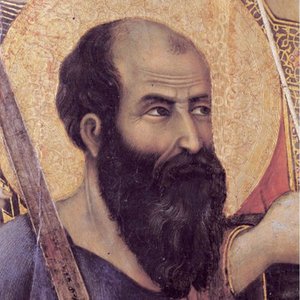
Duccio di Buoninsegna
1255 - 1319 , Italy
Quick Facts
- Artistic Movement Or Style: Gothic, Sienese School
- Artists Or Movements Influenced By This Artist:
- Sienese School
- Italian Gothic
- Artists Who Influenced This Artist: ['Byzantine art']
- Date Of Birth: c. 1255
- Date Of Death: 1319
- Full Name: Duccio di Buoninsegna
- Nationality: Italian
- Notable Artworks:
- Rucellai Madonna
- Maestà
- Polyptych No. 28
- Place Of Birth: Siena, Italy

