 Preview
 Send
Send Share
Share
 Details

 Download
 Similars
 X-Ray
X-Ray Diaporama
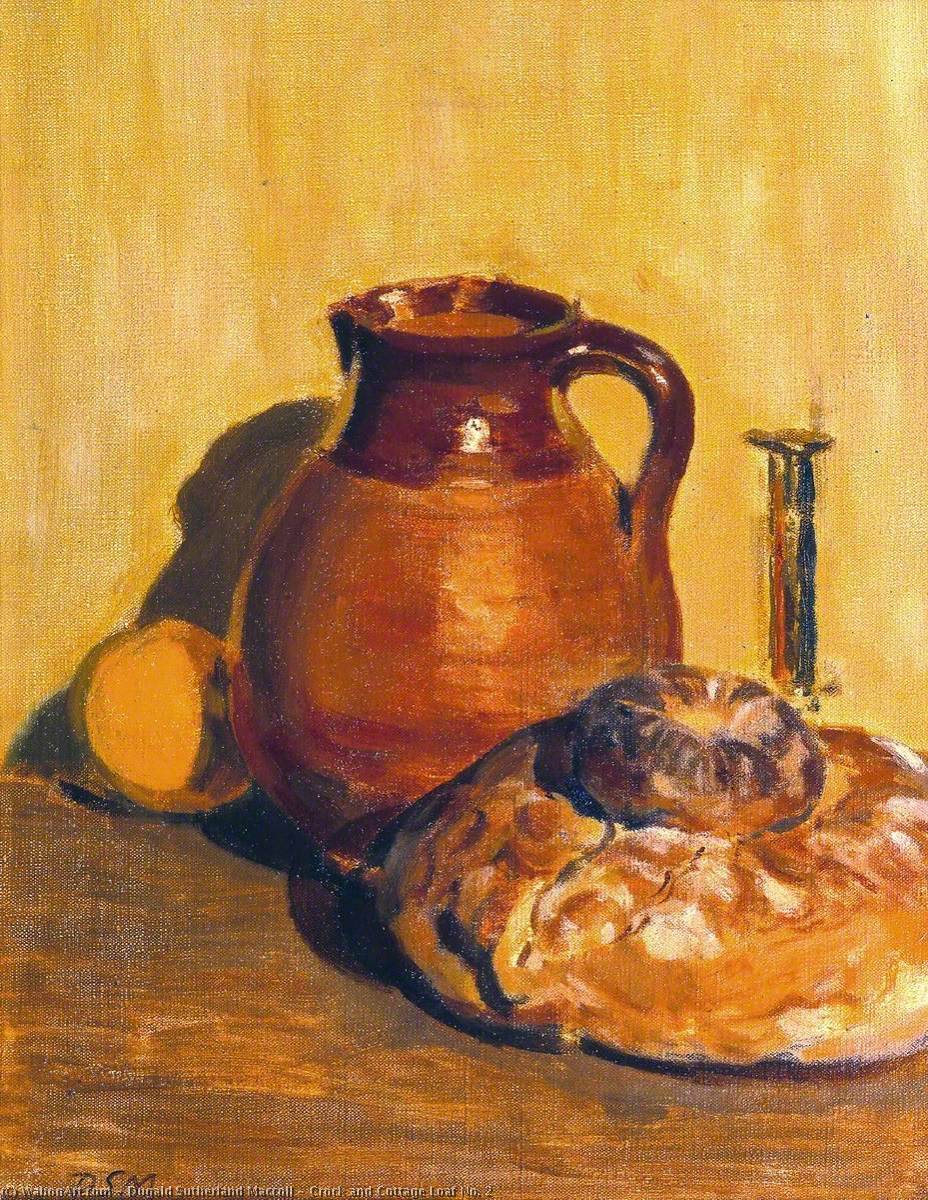
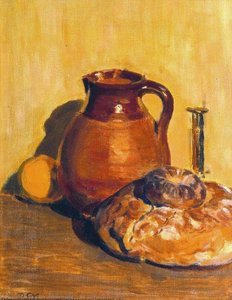
Crock and Cottage Loaf No. 2
 1931
1931 36.0 x 28.0 cm
 Read More
Giclée / Art Print
Museum-quality giclée or canvas print with fast production and flexible finish options. ( Buy Hand Made Painting Buy Image)




































Pick from our preset sizes that match the artwork's original proportions.

You may enter your own dimensions to fit a specific frame or space. If your selected size does not match the original image's proportions, we will either crop the artwork or extend the image with a mirrored or solid-fill edge. A digital mockup will be sent for your approval before production begins.
Please note that the on-screen preview does not reflect the actual cropping or extension. Only the mockup will accurately show the final composition.
While custom sizes are available, we recommend selecting a dimension from the predefined list to preserve the original proportions.
Worldwide Delivery () in 2 weeks instead of standard 4/5 weeks. (17 August)

Free Worldwide Express Shipping

High-Quality Linen Canvas

Full Shipping Insurance

Customs Tax Refund Guarantee

True Color Matching Guarantee

60-Day Return Policy (Defects Only)

100% Money-Back Guarantee

Bulk Discount Offer
 Glass option is only available in size under 110 CM

Crock and Cottage Loaf No. 2
Giclée / Art Print
Reproduction Size
-


Total Price
$ 63
Related Artworks
Artist Biography
Dugald Sutherland MacColl (1859–1948): A Pioneer of Impressionism and Artistic Advocacy
Dugald Sutherland MacColl (10 March 1859 – 21 December 1948) stands as a pivotal figure in the history of British art, recognized primarily for his unwavering championing of Impressionist aesthetics and his tireless efforts to elevate public appreciation for artistic endeavors. Born in Glasgow, Scotland, MacColl’s formative years instilled within him a profound fascination with visual arts—a passion that would propel him through a distinguished academic career culminating in degrees from the University of London and Oxford.
- Early Life & Education: MacColl's upbringing fostered an intellectual curiosity that led him to pursue studies at prestigious institutions, equipping him with foundational knowledge crucial for his subsequent artistic pursuits.
- Artistic Training: He honed his skills under the tutelage of luminaries like Alphonse Legros at Westminster School of Art and Slade School, absorbing techniques and philosophies that would shape his distinctive watercolor style.
MacColl’s journalistic career began in 1890 with a stint as art critic for *The Spectator*, followed by roles at *The Saturday Review* from 1896 to 1906 and later at *The Week-End Review*. These positions afforded him unparalleled access to artistic discourse, allowing him to articulate his convictions about Impressionism—a movement he fervently defended against prevailing academic conservatism. His influential book, *Nineteenth Century Art*, published in 1902, served as a cornerstone of Impressionist scholarship and cemented his reputation as a visionary interpreter of the era’s artistic landscape.
- Critical Voice: MacColl's uncompromising stance against stylistic rigidity challenged established conventions, advocating for a more receptive approach to innovative artistic expressions.
- Influence on Public Opinion: He skillfully navigated the cultural currents of his time, shaping public perceptions and fostering enthusiasm for Impressionist art within Britain.
MacColl’s tenure as Keeper of the Tate Gallery from 1906 to 1911 marked a transformative period in British art history—a moment when he championed groundbreaking exhibitions that showcased the brilliance of Impressionist painters like Claude Monet and Pierre-Auguste Renoir. Subsequently, his stewardship of the Wallace Collection from 1911 to 1924 continued this legacy of artistic advocacy, ensuring the preservation and dissemination of significant artworks.
- Gallery Leadership: MacColl’s leadership at Tate Gallery fostered a climate of intellectual engagement and championed ambitious presentations that broadened audiences' understanding of Impressionist art.
- Advocacy for Art Funding: He spearheaded initiatives aimed at bolstering governmental support for artistic endeavors, notably the establishment of the National Art Collections Fund in 1903—a testament to his unwavering belief in the importance of cultural enrichment.
Beyond his institutional roles, MacColl engaged actively in shaping artistic debates and promoting progressive viewpoints. Notably, he vehemently opposed the handling of funds bequeathed by Sir Francis Chantrey to the Royal Academy, arguing for a more discerning selection process—a stance that resulted in reforms within the institution. His unwavering commitment to preserving John Rennie’s Waterloo Bridge exemplifies his dedication to safeguarding architectural heritage.
- Campaigns for Artistic Integrity: MacColl tirelessly defended artistic standards and challenged decisions prioritizing commercial considerations over aesthetic merit.
- Cultural Preservation Efforts: He championed initiatives aimed at protecting historic landmarks and ensuring their accessibility to the public—demonstrating a holistic vision of cultural stewardship.
MacColl’s legacy extends beyond his artistic contributions; he served as a mentor to younger artists and writers, fostering intellectual discourse and promoting creative experimentation. His biography, *Philip Wilson Steer*, garnered acclaim for its meticulous scholarship and solidified his position as one of Britain's foremost art historians.
- Literary Accomplishments: MacColl’s writings illuminated the complexities of artistic movements and enriched the intellectual landscape of his era.
- Recognition & Awards: His work was honored with prestigious accolades, including the James Tait Black Memorial Prize for *Philip Wilson Steer*, recognizing his profound understanding of art history.
Dugald Sutherland MacColl died in London in 1948, leaving behind a rich artistic heritage and an enduring influence on British cultural discourse. A memorial exhibition at the Tate Gallery in 1950 commemorated his life’s work—a poignant reminder of his unwavering devotion to Impressionism and his steadfast advocacy for artistic excellence.
Quick Facts
- Artistic Movement Or Style: Impressionism
- Artists Or Movements Influenced By This Artist: ['Walter Stoneman']
- Artists Who Influenced This Artist:
- Alphonse Legros
- Claude Phillips
- Date Of Birth: 1859-03-10
- Full Name: Dugald Sutherland MacColl
- Nationality: Scottish
- Notable Artworks:
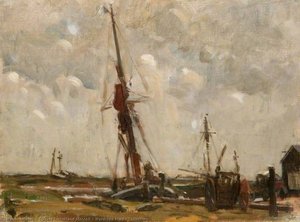
- Wardrobe Hard, Tollesbury
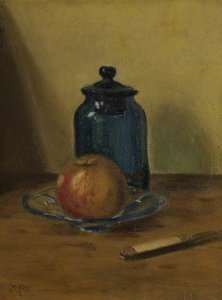
- Blue Glass and Pippin
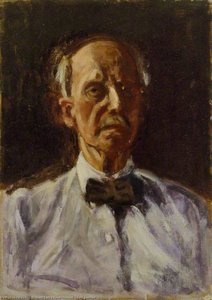
- Self portrait
- Place Of Death: London