

 Preview
 Send
Send Share
Share
 Details

 Download
 Similars
 X-Ray
X-Ray Diaporama
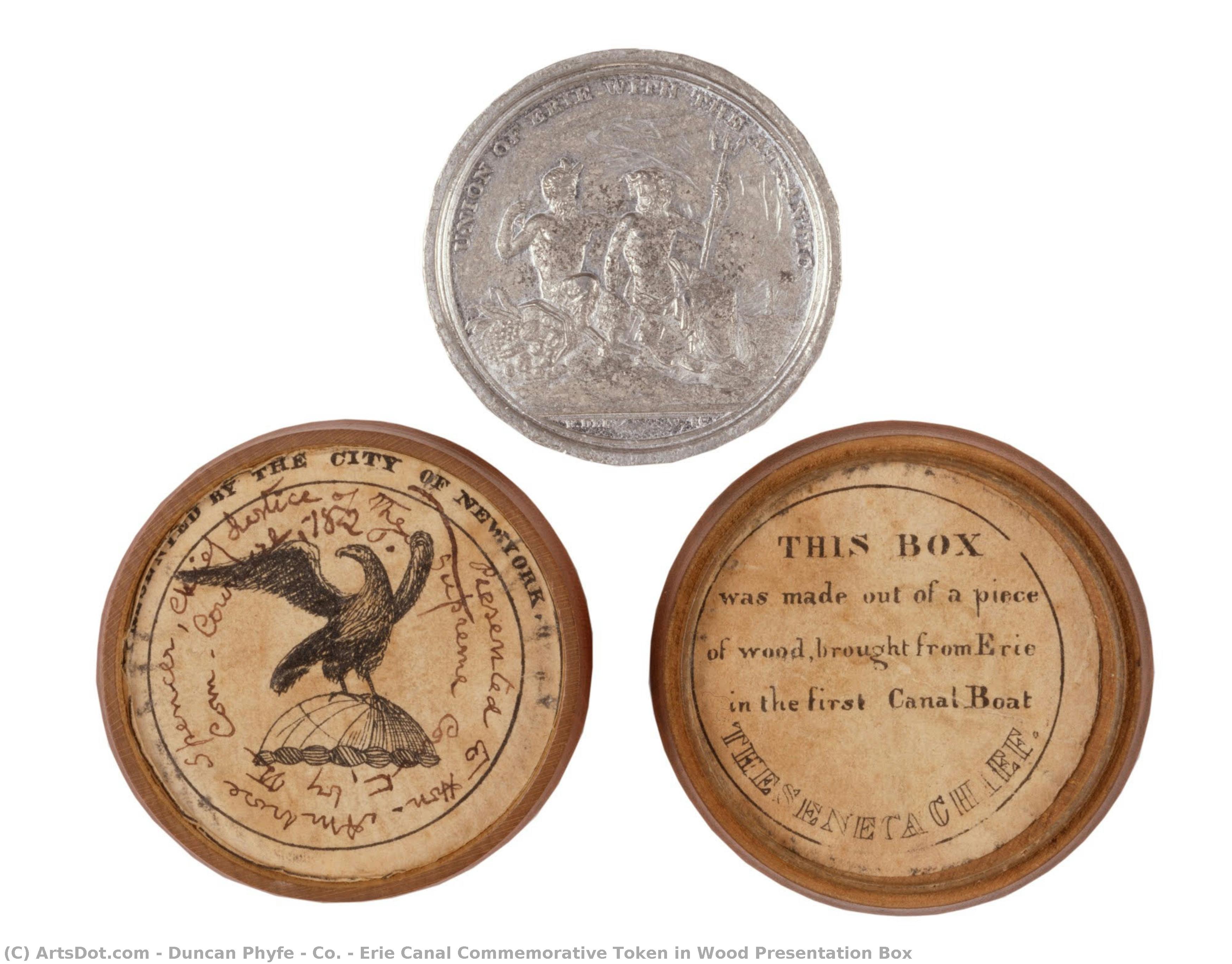
Erie Canal Commemorative Token in Wood Presentation Box

 Read More
Purchase a high-resolution, enhanced digital image, far superior to the online preview.
Each file is meticulously prepared by our in-house specialists using advanced tools and expert manual retouching. We ensure every image has exceptional clarity, precise color accuracy, and fine detail.
The final file is delivered via email within 72 hours, optimized for immediate use in professional, editorial, and print environments. This is the same quality trusted by top-tier design studios, publishers, and galleries.
Digital Image
Download a high-resolution file for personal display, printing, and creative projects. ( Buy Print Buy Hand Made Painting)
Included in Every Digital Image Order
Expert Digital Delivery, Guaranteed
When you choose ArtsDot.com, you're not just getting an image - you're receiving a professionally enhanced digital artwork, crafted with precision and backed by a satisfaction guarantee. Here's everything that comes with your order, automatically:

Fast Email Delivery
Your high-resolution digital image file will be emailed to you within 72 hours of ordering - ready for immediate use.

AI-Enhanced Digital File
Your artwork is professionally optimized using advanced AI tools and manual editing, ensuring maximum detail, clarity, and color accuracy.

Free Lifetime Re-Delivery
Accidentally deleted or lost your file? No worries - we'll resend it to you anytime, free of charge.

No Import Fees - Ever
Enjoy your artwork instantly with zero customs, duties, or delivery fees - digital downloads are always tax-free.

Color Accuracy Guarantee
We ensure your digital image reflects the original colors as closely as possible using professional tools and color management.

60-Day Satisfaction Guarantee
If you're not satisfied with your digital image, we'll revise it or refund 100% within 60 days - no questions asked.

100% Money-Back Guarantee
Not satisfied? Get a full refund within 60 days of receiving your digital file - no questions asked.

Bulk Order Discounts
Buy 3 images, save 10% - Buy 5, save 15% - Buy 10+, save 20%. Great for creative projects, galleries, and agencies.
Related Artworks




Artist Biography
Duncan Phyfe: The Architect of American Elegance
Duncan Phyfe (1768 – 1854) stands as a towering figure in the history of American furniture design, widely recognized as the most influential cabinetmaker of the first half of the 19th century. His legacy isn’t simply one of crafting beautiful objects; it's the establishment of a distinctly American style—a refined blend of European sophistication and nascent national identity. Born Duncan Fife in Glasgow, Scotland, his journey to becoming Phyfe began with an immigration to America in 1784, settling initially in Albany, New York, where he apprenticed under a local craftsman. This early foundation instilled within him the meticulous techniques of traditional Scottish furniture making – a discipline that would later inform his approach to design. However, it was his subsequent years working as a journeyman in New York City that truly shaped his artistic vision, exposing him to the burgeoning trends of Sheraton, Regency, and Directoire styles circulating throughout Europe.Early Career and Establishing a Reputation
Phyfe’s career took off in 1795 when he boldly established his own workshop on Broad Street in New York City. He quickly gained recognition for producing furniture of exceptional quality and elegance, earning the moniker “The United States Rage” – a testament to both his popularity and the fervent admiration surrounding his work. Unlike many contemporary artisans who simply replicated European designs, Phyfe possessed a remarkable ability to adapt and interpret these styles, imbuing them with an American sensibility. His early pieces were characterized by clean lines, delicate ornamentation, and a masterful use of proportion – elements that would become hallmarks of his distinctive style. He wasn’t merely copying; he was translating European aesthetics into a language suited for the tastes and aspirations of the burgeoning American elite. The demand for Phyfe's creations quickly outstripped supply, fueled by his reputation for excellence and the patronage of wealthy merchants, politicians, and social figures.Style and Influences: Neoclassicism and Beyond
Phyfe’s furniture is overwhelmingly defined by its embrace of Neoclassical design, a movement that had captivated Europe following the rediscovery of Roman antiquity. He skillfully drew inspiration from classical forms – scrolls, columns, urns, and garlands – but tempered them with an understated elegance that resonated deeply with American sensibilities. His designs were rarely overtly ornate; instead, he favored subtle detailing and a sense of restrained luxury. The choice of materials further contributed to the overall effect: mahogany, imported primarily from Central and South America, was frequently employed for its rich color and durability, often finished with a lustrous dark stain that highlighted the wood’s natural beauty. Beyond Neoclassicism, Phyfe also incorporated elements of Sheraton and Directoire styles, demonstrating his versatility and adaptability as a designer. He wasn't bound by rigid stylistic constraints but rather sought to create furniture that was both beautiful and functional – reflecting the values of prosperity and refinement that were becoming increasingly prevalent in early 19th-century America.Notable Works and Legacy
Duncan Phyfe’s influence extended far beyond his own workshop, shaping the aesthetic landscape of American interiors for decades. Several pieces stand as particularly striking examples of his artistry. The “Sailing of the Emigrant Ship” by William McTaggart, now housed at the Scottish National Gallery, showcases his ability to capture movement and drama through furniture design. Similarly, Joseph Crawhall’s "White Drake" exemplifies Phyfe's mastery of color and light, demonstrating a keen eye for detail and an understanding of how materials could be used to create visual impact. The collection held by the National Trust for Scotland at Ecclefechan offers a comprehensive overview of his work, while reproductions continue to grace homes and museums worldwide. Notably, a set of 12 mahogany lotus-back chairs, descended from Eliza Phyfe Vail’s family, was exhibited at the Metropolitan Museum of Art in 2011-12, highlighting the exceptional provenance and historical significance of these pieces. The enduring popularity of Phyfe's designs is a testament to his skill as a designer and his profound impact on American furniture history – he remains, arguably, America’s most copied Neo-classical furniture artist.Historical Significance
Duncan Phyfe’s legacy transcends mere craftsmanship; he played a crucial role in establishing an independent American style of furniture making. His success demonstrated the potential for American artisans to create designs that were both sophisticated and distinctly their own, moving beyond simple imitation of European trends. The sheer scale of his workshop – employing over 100 workmen at its peak – reflects the immense demand for his work and underscores his pivotal role in shaping the material culture of early America. His furniture became synonymous with wealth, refinement, and good taste, contributing to the development of a national identity rooted in both European tradition and American innovation. Even today, reproductions of Phyfe’s designs continue to be sought after by collectors and interior designers, ensuring that his influence endures as a cornerstone of American cultural heritage.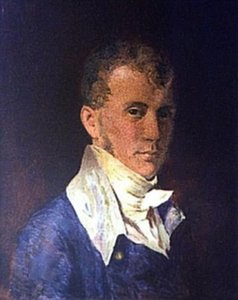
duncan phyfe & co.
1778 - 1854 , United Kingdom
Quick Facts
- Artistic Movement Or Style: Neoclassical & Empire
- Artists Or Movements Influenced By This Artist: ['American cabinetmaking']
- Artists Who Influenced This Artist:
- Thomas Sheraton
- Regency styles
- Date Of Birth: 1768
- Date Of Death: 1854
- Full Name: Duncan Phyfe
- Nationality: Scottish-American
- Notable Artworks:
- Sailing of the emigrant ship
- White drake
- Place Of Birth: Glasgow, UK

