Artist Biography
The Emergence of a Visual Language: The Life and Art of Lancur Bawono
Lancur Bawono, born in Indonesia, is an artist whose work embodies a captivating fusion of traditional Javanese aesthetics and contemporary artistic expression. While biographical details remain somewhat elusive – a deliberate choice perhaps, prioritizing the art over the persona – his journey reflects a deep immersion in the cultural heritage of his homeland coupled with a restless exploration of form, color, and symbolism. He is not an artist who readily offers personal narratives; instead, he invites viewers to engage directly with the visual poetry of his creations. Bawono’s early life was steeped in the artistic traditions of Java, surrounded by the intricate artistry of batik, wayang kulit (shadow puppetry), and gamelan music. These formative influences are not merely reflected in his work but actively woven into its very fabric. He didn't formally study art in a Western academic setting; rather, his education was one of apprenticeship, observation, and intuitive understanding within the rich artistic ecosystem of his community. This unconventional path fostered a unique sensibility, allowing him to develop a visual language that feels both ancient and strikingly modern.
The Interplay of Tradition and Innovation
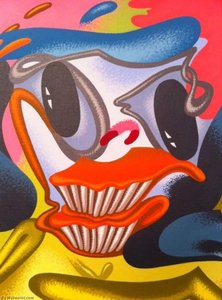
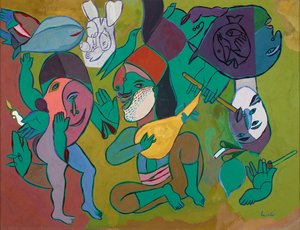
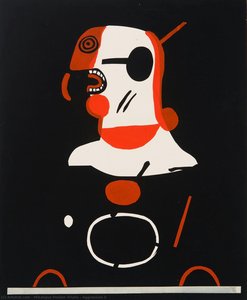
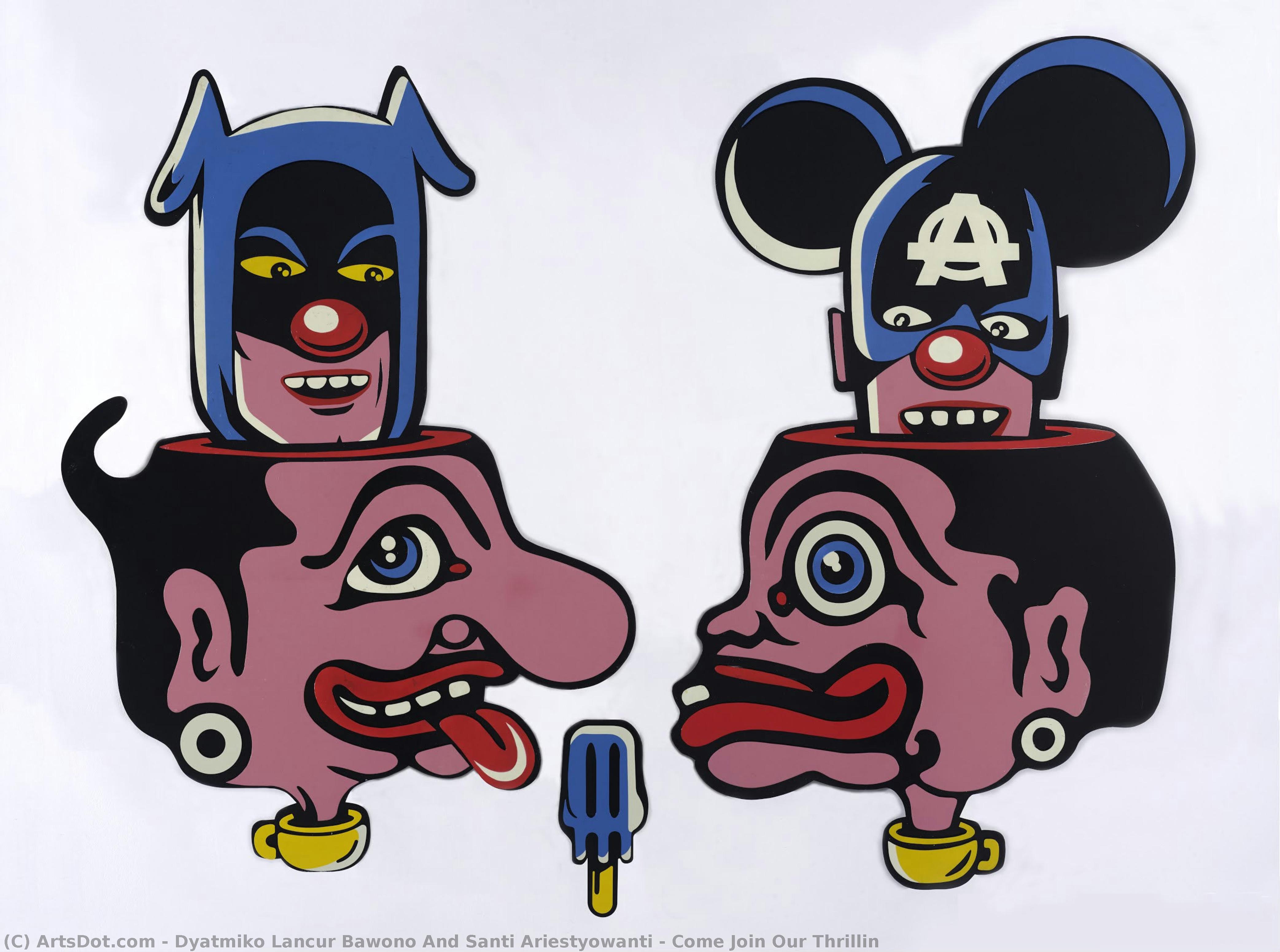
Bawono’s art is characterized by its layered complexity and evocative power. He often works with acrylic on canvas, building up surfaces through meticulous application and subtle gradations of color. His compositions frequently feature abstracted figures and organic forms that hint at narratives drawn from Javanese mythology, folklore, and spiritual beliefs. However, these are not literal depictions; instead, they are fragmented memories, emotional resonances, and symbolic representations. The influence of wayang kulit is particularly evident in the elongated silhouettes and dynamic poses of his figures, while the intricate patterns and rich color palettes echo the artistry of batik textiles. What sets Bawono apart is his ability to synthesize these traditional elements with a distinctly contemporary sensibility. He eschews rigid representation in favor of abstraction, allowing viewers to interpret the work through their own lens of experience. His use of color is masterful – often employing muted tones and earthy hues that create a sense of depth and atmosphere. There’s a meditative quality to his paintings, inviting contemplation and introspection.
Key Themes and Symbolic Language
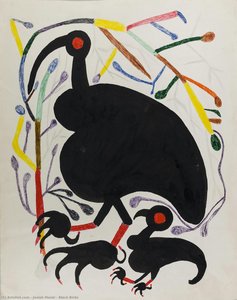
Several recurring themes permeate Bawono's oeuvre. The concept of harmony, central to Javanese philosophy, is consistently explored through balanced compositions and the interplay of contrasting elements. Figures often appear suspended in ambiguous spaces, suggesting a state of transition or spiritual awakening. Animals – particularly birds and snakes – frequently feature as symbolic motifs, representing freedom, transformation, and the cyclical nature of life. The garuda, a mythical bird-like creature revered in Indonesian culture, appears repeatedly, embodying power, protection, and connection to the divine realm. Bawono’s use of symbolism is not didactic; rather, it's layered and open-ended, inviting multiple interpretations. He doesn’t provide definitive answers but instead encourages viewers to engage with the work on a personal level, uncovering their own meanings within the intricate visual tapestry. His paintings are often described as “visual poems,” rich in metaphor and emotional resonance.
Achievements and Recognition
Despite maintaining a relatively low profile, Lancur Bawono has garnered significant recognition within the Indonesian art world and increasingly internationally. He has exhibited his work in numerous galleries and museums across Southeast Asia and beyond, captivating audiences with his unique artistic vision. While he avoids large-scale commercial exhibitions, preferring smaller, more intimate settings, his paintings are highly sought after by collectors who appreciate their depth, complexity, and spiritual resonance. His influence can be seen in the work of younger Indonesian artists who are exploring new ways to synthesize traditional aesthetics with contemporary art practices. Bawono’s achievement lies not merely in creating visually stunning works but in revitalizing a visual language rooted in Javanese culture while simultaneously pushing its boundaries.
Historical Significance and Lasting Impact
Lancur Bawono occupies a unique position within the landscape of Indonesian contemporary art. He represents a bridge between tradition and innovation, demonstrating that it is possible to honor cultural heritage without sacrificing artistic originality. In an era often dominated by Western influences, he has steadfastly remained committed to exploring the rich artistic traditions of his homeland, creating works that are deeply rooted in Javanese philosophy and spirituality. His art serves as a powerful reminder of the importance of preserving cultural identity while embracing new forms of expression. Bawono’s lasting impact will undoubtedly be felt for generations to come, inspiring artists to explore their own cultural roots and create works that resonate with authenticity and emotional depth. He is not simply an artist; he is a visual storyteller, a keeper of traditions, and a pioneer of contemporary Javanese art.


 Preview
 Send
Send Share
Share
 Details

 Download
 Similars
 X-Ray
X-Ray Diaporama
 2010
2010 210.0 x 160.0 cm
 ILHAM Gallery
 Read More
 Buy Hand Made Painting





































 Glass option is only available in size under 110 CM