 Preview
 Send
Send Share
Share
 Details

 Download
 Similars
 X-Ray
X-Ray Diaporama
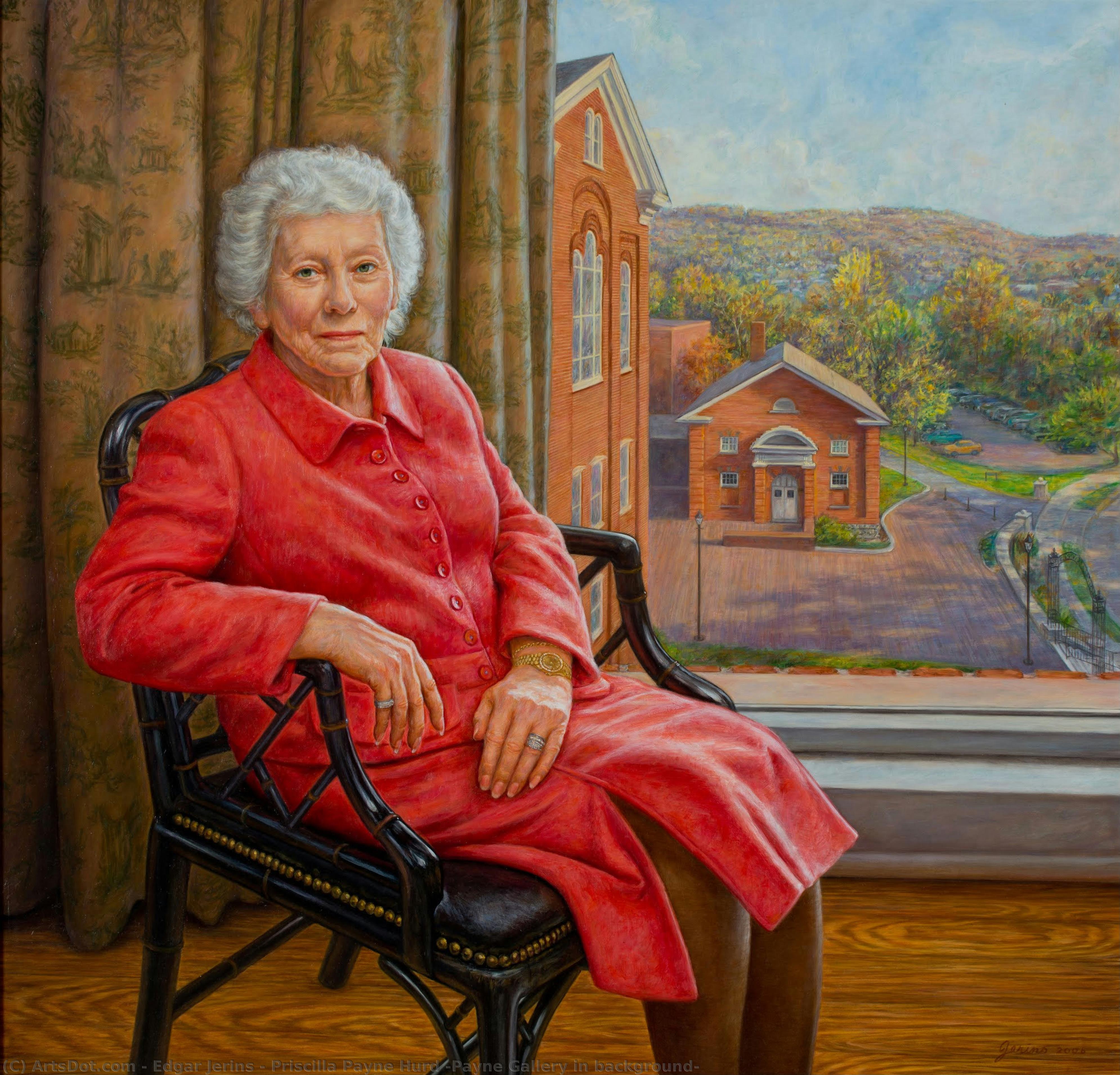
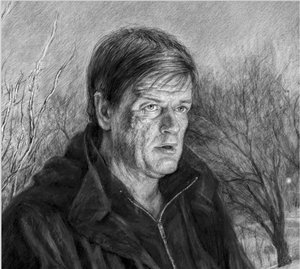
Priscilla Payne Hurd (Payne Gallery in background)


 Read More
Giclée / Art Print
Museum-quality giclée or canvas print with fast production and flexible finish options. ( Buy Hand Made Painting Buy Image)




P118B $10

P118H $10

P118W $10

P438Z $10

P508JH $12

P508YH $12

P805H $10

P805Z $10

P919BZ $10

P919G $10

P919XJ $10

P959ZH $10

P968JZ $12

W106C $8

W218G $10

W218JH $8

W218Y $10

W307PJ $10

W316G $10

W316PJ $8

W316Y $10

W398PJ $8

W4111J $10

W500HY $15

W500JH $15

W692G $12

W849H $8

W940BG $15

W953PJ $8




Pick from our preset sizes that match the artwork's original proportions.

You may enter your own dimensions to fit a specific frame or space. If your selected size does not match the original image's proportions, we will either crop the artwork or extend the image with a mirrored or solid-fill edge. A digital mockup will be sent for your approval before production begins.
Please note that the on-screen preview does not reflect the actual cropping or extension. Only the mockup will accurately show the final composition.
While custom sizes are available, we recommend selecting a dimension from the predefined list to preserve the original proportions.
Worldwide Delivery () in 2 weeks instead of standard 4/5 weeks. (16 August)

Free Worldwide Express Shipping

High-Quality Linen Canvas

Full Shipping Insurance

Customs Tax Refund Guarantee

True Color Matching Guarantee

60-Day Return Policy (Defects Only)

100% Money-Back Guarantee

Bulk Discount Offer
 Glass option is only available in size under 110 CM

Priscilla Payne Hurd (Payne Gallery in background)
Giclée / Art Print
Reproduction Size
-


Total Price
$ 63
Collectible Description
A Quiet Reflection Amidst Urban Vibrancy: Exploring Edgar Jerins’ “Priscilla Payne Hurd”
The painting "Priscilla Payne Hurd" by Edgar Jerins offers a poignant glimpse into the intersection of personal experience and artistic expression, capturing a moment of contemplative stillness against the backdrop of Moravian University's Payne Gallery. Completed in 2011, this artwork transcends mere representation; it speaks to themes of aging, memory, and connection—elements skillfully conveyed through Jerins’ distinctive visual language.- Subject Matter: At its core, the painting depicts an elderly woman seated gracefully in a chair, her hands folded calmly on her lap as she gazes out a window. This simple posture immediately establishes a sense of serenity and invites viewers to consider themes of introspection and remembrance.
- Style & Technique: Jerins employs a minimalist aesthetic—primarily utilizing bold black lines against a white canvas—a technique reminiscent of Keith Haring’s groundbreaking approach to Pop Art. The stark contrast amplifies the emotional impact, emphasizing the woman's gaze and drawing attention to the architectural setting.
- Symbolism: The woman’s gaze towards the window is laden with symbolic significance. It represents not only observation but also contemplation of past experiences and an acceptance of the passage of time. The clock on the wall reinforces this temporal dimension, prompting reflection on life's journey.
- Historical Context: Jerins’ work aligns itself with the broader artistic movement of Pop Art, which emerged in the mid-1960s as a reaction against Abstract Expressionism and championed accessibility and visual impact. Haring’s influence is palpable in Jerins’ stylistic choices—a deliberate nod to the rebellious spirit of New York City during its artistic renaissance.
Related Artworks
Artist Biography
Keith Haring: A Revolutionary Voice in Pop Art
Born on May 4, 1958, in Reading, Pennsylvania, and raised in the small town of Kutztown, Keith Allen Haring’s artistic journey began not with formal training but with a profound connection to drawing—a skill nurtured by his father, an amateur cartoonist. This early passion, coupled with influences ranging from Disney and Dr. Seuss to the raw energy of punk rock and the social commentary of artists like Jean Dubuffet and Andy Warhol, laid the foundation for a career that would irrevocably alter the landscape of American art. Haring’s rise wasn't through traditional gallery channels; instead, he emerged from the vibrant, rebellious subculture of 1980s New York City, specifically the downtown scene centered around clubs like Club 57 and the burgeoning graffiti movement.
Haring’s distinctive style—characterized by bold black lines on white backgrounds, often depicting figures in dynamic poses, animals, and symbols—was initially developed during his time as a student at the School of Visual Arts. He quickly abandoned the pursuit of commercial illustration, recognizing that his true calling lay in creating art for a wider audience. This desire led him to a revolutionary approach: he began drawing directly on the blank advertising panels lining the subway stations of New York City. These “subway drawings,” executed with chalk, became his laboratory, allowing him to experiment with form, line, and composition while simultaneously engaging with the daily lives of countless commuters. The immediacy and accessibility of this public art were crucial to Haring’s success, establishing a direct connection between artist and viewer that was unprecedented at the time.
- Early Influences: Disney, Dr. Seuss, Walt Whitman, Jean Dubuffet, Pierre Alechinsky, Andy Warhol
- Key Locations: Pittsburgh (early training), New York City (subway drawings, Club 57)
- Initial Style: Bold black lines on white backgrounds, dynamic figures and symbols
The Rise of a Pop Icon
By the mid-1980s, Haring’s work had transcended the subway system and gained widespread recognition. His first solo exhibition at the Westbeth Painters Space in 1981 marked a turning point, catapulting him into the mainstream art world. He quickly established himself as a major figure in the New York art scene, participating in prestigious events such as Documenta 7 (1982), the Whitney Biennial (1986), and the São Paulo Biennial (1988). These exhibitions showcased his versatility, encompassing large-scale murals, gallery shows, and animated films. Haring’s work was not simply aesthetically pleasing; it was deeply engaged with social and political issues.
A defining characteristic of Haring's art was its commitment to activism. He used his distinctive visual language to raise awareness about critical issues such as safe sex and AIDS, creating powerful images that challenged societal norms and promoted public health. His mural “Crack is Wack” (1986), for example, directly confronted the devastating effects of crack cocaine addiction, while his series "Tuttomondo" (1989) celebrated diversity and unity. Haring’s work became a visual shorthand for social change, resonating with audiences across generations.
- Key Exhibitions: Westbeth Painters Space (1981), Documenta 7 (1982), Whitney Biennial (1986), São Paulo Biennial (1988)
- Social Activism: “Crack is Wack,” “Tuttomondo,” advocacy for safe sex and AIDS awareness
Pop Shop and Beyond
In 1986, Haring took a bold step by opening the Pop Shop in Soho, New York—a retail space that sold his own designs on merchandise such as t-shirts, posters, and toys. This venture was more than just a commercial endeavor; it was an extension of his artistic practice, making his work accessible to a wider audience and demonstrating his belief that art should be available to everyone. The Pop Shop faced criticism from some within the art establishment, who viewed it as a dilution of Haring’s artistic integrity, but he remained steadfast in his commitment to democratizing art.
Throughout the late 1980s and early 1990s, Haring continued to create public murals around the world, from Berlin to Tokyo. He also collaborated with various institutions, including the Guggenheim Museum and the Metropolitan Museum of Art, further expanding his reach and influence. Tragically, Keith Haring’s life was cut short in February 16, 1990, at the age of 31, due to complications related to AIDS. However, his legacy endures as one of the most influential and beloved artists of the late 20th century.
- The Pop Shop: A retail space selling Haring’s designs on merchandise
- Global Murals: Public artworks created in cities around the world
A Lasting Legacy
Keith Haring's impact extends far beyond his distinctive visual style. He fundamentally shifted the boundaries of public art, demonstrating its potential to engage with social issues and connect directly with communities. His work continues to inspire artists and activists today, reminding us of the power of art to provoke thought, challenge assumptions, and promote positive change. In 2014, Haring was honored as one of the inaugural honorees in the Rainbow Honor Walk in San Francisco, a testament to his contributions to LGBTQ+ culture and his unwavering commitment to social justice. His work remains deeply relevant, serving as a vibrant reminder that art can be a force for good in the world.
The Keith Haring Foundation continues his mission by supporting arts education programs and organizations dedicated to combating AIDS. Through this foundation, Haring’s spirit lives on, ensuring that his message of hope, creativity, and social responsibility will continue to resonate for generations to come.
edgar jerins
1958 - , United States of America
Quick Facts
- Artistic Movement Or Style: Pop art, graffiti art
- Artists Or Movements Influenced By This Artist:
- Kenny Scharf
- Jean-Michel Basquiat
- Artists Who Influenced This Artist:
- Jean Dubuffet
- Pierre Alechinsky
- Andy Warhol
- Date Of Birth: May 4, 1958
- Date Of Death: February 16, 1990
- Full Name: Keith Allen Haring
- Nationality: American
- Notable Artworks:
- Crack Is Wack
- Tower
- Untitled Series
- Todos Juntos Podemos Parar el SIDA
- Place Of Birth: Reading, Pennsylvania, USA
Related Articles

White on Canvas: 10 Masterpieces & Timeless Elegance for Your Home Decor
Explore 10 iconic white paintings by Monet, Whistler & Rothko! Discover the stories behind these serene masterpieces and their impact on art history. Find museum-quality reproductions for your home decor at .

Dark Masterpieces: 10 Iconic Paintings Dominated by Black Tones |
Explore 10 iconic paintings dominated by black tones, from Rembrandt’s chiaroscuro to Goya's dark expressions. Discover the stories behind these masterpieces & find museum-quality art reproductions for your home at .

Giclée Prints: Archival Quality & Aesthetic Nuances for the Discerning Collector
Explore the world of giclée prints with ArtsDot. Learn about archival quality, aesthetic nuances & investment potential. Expert guidance for discerning art collectors seeking museum-quality reproductions and lasting value.

Monochrome Visions: Exploring the Aesthetic & Historical Significance of Black & White Photography
Explore the rich history & artistic power of black and white photography. From early techniques to iconic masters like Ansel Adams, discover why monochrome continues to captivate art lovers today. Expert insights for collectors.

The Enduring Legacy of Fine Art Prints: Technique, History & Aesthetic Impact
Explore the rich history & techniques of fine art prints. Discover investment potential, assess authenticity, and learn how to preserve your collection with expert guidance. Trusted insights for discerning collectors.