

 Preview
 Send
Send Share
Share
 Details

 Download
 Similars
 X-Ray
X-Ray Diaporama
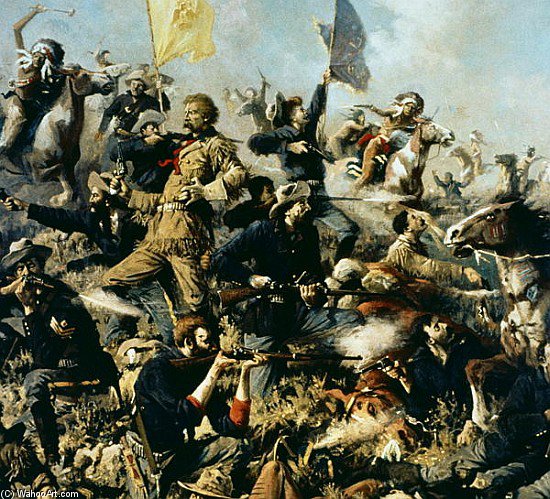
Battle Of Little Bighorn, 25th June

 Read More
Purchase a high-resolution, enhanced digital image, far superior to the online preview.
Each file is meticulously prepared by our in-house specialists using advanced tools and expert manual retouching. We ensure every image has exceptional clarity, precise color accuracy, and fine detail.
The final file is delivered via email within 72 hours, optimized for immediate use in professional, editorial, and print environments. This is the same quality trusted by top-tier design studios, publishers, and galleries.
Digital Image
Download a high-resolution file for personal display, printing, and creative projects. ( Buy Print Buy Hand Made Painting)
Included in Every Digital Image Order
Expert Digital Delivery, Guaranteed
When you choose ArtsDot.com, you're not just getting an image - you're receiving a professionally enhanced digital artwork, crafted with precision and backed by a satisfaction guarantee. Here's everything that comes with your order, automatically:

Fast Email Delivery
Your high-resolution digital image file will be emailed to you within 72 hours of ordering - ready for immediate use.

AI-Enhanced Digital File
Your artwork is professionally optimized using advanced AI tools and manual editing, ensuring maximum detail, clarity, and color accuracy.

Free Lifetime Re-Delivery
Accidentally deleted or lost your file? No worries - we'll resend it to you anytime, free of charge.

No Import Fees - Ever
Enjoy your artwork instantly with zero customs, duties, or delivery fees - digital downloads are always tax-free.

Color Accuracy Guarantee
We ensure your digital image reflects the original colors as closely as possible using professional tools and color management.

60-Day Satisfaction Guarantee
If you're not satisfied with your digital image, we'll revise it or refund 100% within 60 days - no questions asked.

100% Money-Back Guarantee
Not satisfied? Get a full refund within 60 days of receiving your digital file - no questions asked.

Bulk Order Discounts
Buy 3 images, save 10% - Buy 5, save 15% - Buy 10+, save 20%. Great for creative projects, galleries, and agencies.
Related Artworks

Artist Biography
A Life Forged on the Frontier: Edgar Samuel Paxson
Edgar Samuel Paxson, a name perhaps less familiar than some of his Western contemporaries, nevertheless carved a unique and compelling niche in American art history. Born in 1852 amidst the rolling farmlands of East Hamburg, New York, to a Quaker family, Paxson’s early life hinted at little of the rugged adventure that would define his later years. Yet, the seeds of his artistic vision were sown during this formative period – tales spun by uncles who had ventured west for the California Gold Rush, stories of encounters with Native American tribes and perilous journeys across vast landscapes, ignited a yearning within him to experience the untamed heart of America firsthand. This desire, coupled with meetings with figures like Kit Carson and Captain Jack Crawford, fueled an irrepressible restlessness that would propel him westward at the age of twenty. His early experiences as a drummer boy during the American Civil War further instilled in him a sense of duty and a fascination with historical events, elements that would later find powerful expression in his art.From Sign Painter to Frontier Chronicler
Paxson’s journey west wasn't one of immediate artistic triumph. Initially, he embraced the practical demands of frontier life, working as a ranch hand, stage driver, and scout – immersing himself completely in the world he would later depict on canvas. Settling in Deer Lodge, Montana, with his wife Laura Millicent and their growing family, Paxson initially earned a living through more conventional means, painting signs and theatrical backdrops for local productions. This period honed his technical skills, providing him with a foundation in color mixing, composition, and the accurate representation of form – all crucial elements that would later elevate his historical paintings. It was during this time that he began to seriously consider capturing the essence of the Old West on canvas, driven by a profound sense of responsibility to document its rapidly vanishing culture and dramatic events. The Spanish-American War in 1898 saw him briefly return to military service, leading Company "G" of the Butte Volunteers to battle in Manila, an experience that undoubtedly broadened his perspective and further fueled his desire to portray scenes of conflict and human resilience.The Shadow of Little Bighorn: A Defining Obsession
Paxson’s artistic legacy is inextricably linked to the Battle of Little Bighorn. He repeatedly emphasized that witnessing accounts of this pivotal event during his westward journey sparked a lifelong obsession with recreating it on canvas. Unlike many artists who approached the subject with romanticized notions or biased perspectives, Paxson embarked on an exhaustive research campaign. For years, he meticulously interviewed participants from both sides – Lakota warriors like Gall and Two Moon, as well as soldiers who had survived the battle. He painstakingly documented their accounts, creating detailed journals filled with observations about weaponry, attire, and the terrain of the battlefield. This dedication to historical accuracy is evident in his monumental painting, *Custer's Last Stand*, a work that stands apart for its attempt at objectivity and its sheer scale – measuring six by ten feet, it immerses viewers in the chaos and drama of the conflict. The painting’s impact was immediate; upon completion, Paxson toured it extensively, charging admission to allow audiences to witness his interpretation of this defining moment in American history.Murals and Legacy: Capturing Montana's Story
Beyond *Custer's Last Stand*, Paxson left an enduring mark on Montana through a series of public murals. Commissioned by the Missoula County government, these works depicted scenes from the Lewis and Clark expedition and early pioneer life, showcasing his ability to capture the spirit of exploration and settlement. Six additional murals for the Montana State Capitol building further solidified his reputation as a chronicler of state history. While often overshadowed by the more commercially successful Charles Marion Russell, Paxson’s work deserves recognition for its meticulous detail, its commitment to historical accuracy, and its unique perspective on the American West. He wasn't merely depicting cowboys and landscapes; he was striving to portray the complex interplay between cultures, the harsh realities of frontier life, and the enduring legacy of a nation forged in conflict and expansion. Edgar Samuel Paxson died in 1919, leaving behind a body of work that continues to offer valuable insights into a pivotal era in American history, reminding us of the importance of documenting—and understanding—the stories of those who shaped our nation's identity.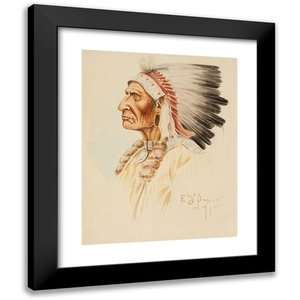
Edgar Samuel Paxson
1852 - 1919 , United States of America
Quick Facts
- Artistic Movement Or Style: Frontier painting
- Artists Who Influenced This Artist:
- Kit Carson
- Captain Jack Crawford
- Date Of Birth: April 25, 1852
- Date Of Death: November 9, 1919
- Full Name: Edgar Samuel Paxson
- Nationality: American
- Notable Artworks:
- Custer's Last Stand
- Surrender of Chief Joseph
- Place Of Birth: Hamburg, United States

