 Preview
 Send
Send Share
Share
 Details

 Download
 Similars
 X-Ray
X-Ray Diaporama
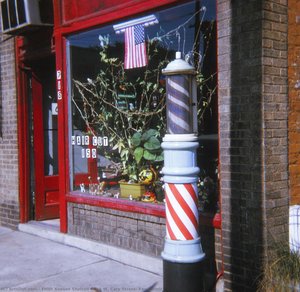
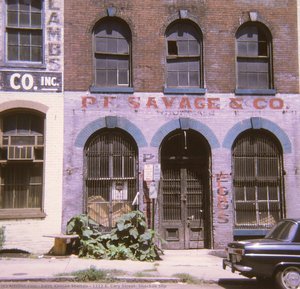
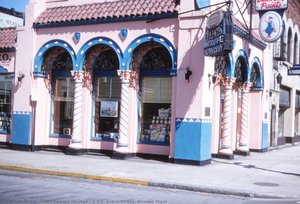
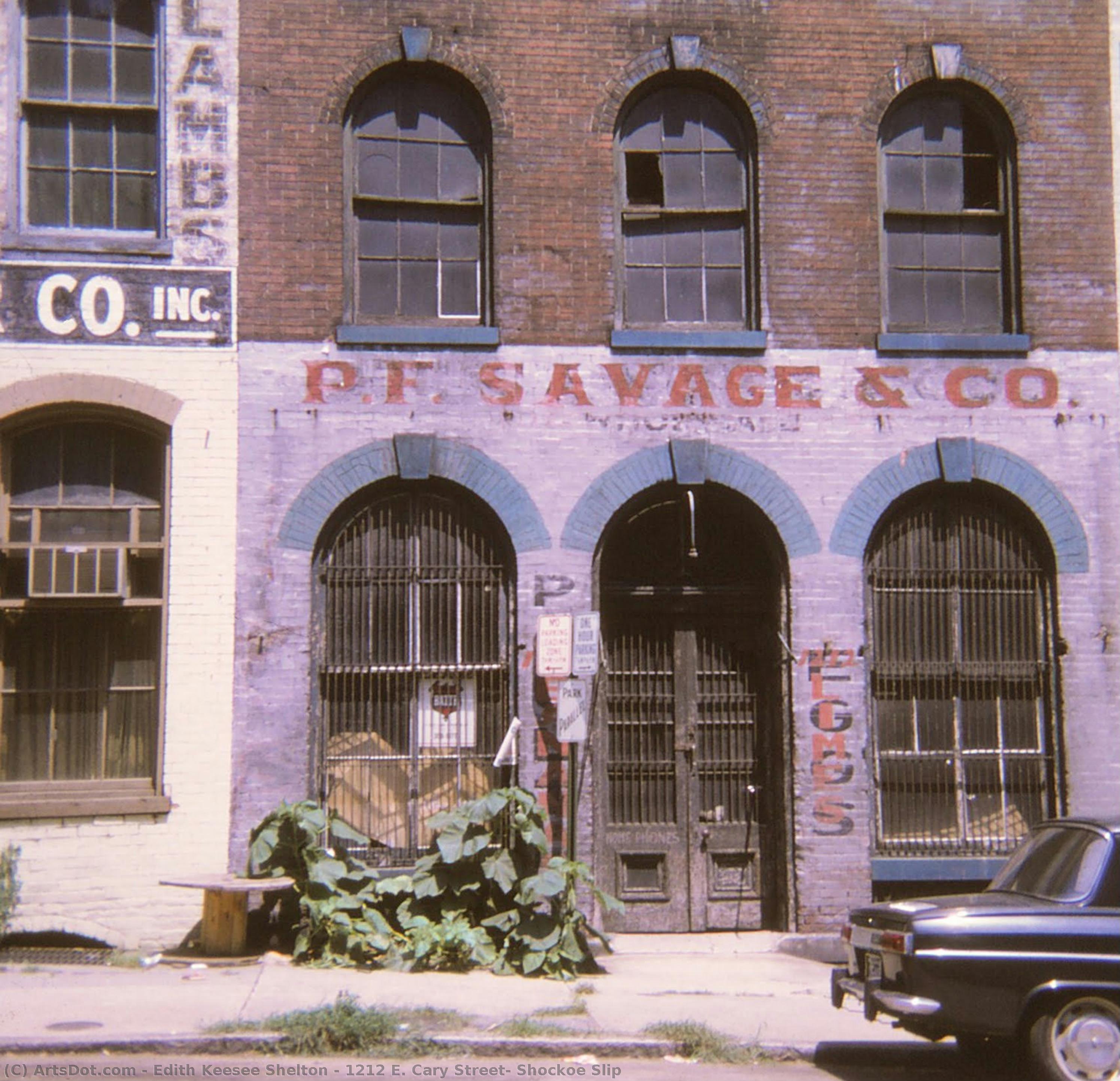
1212 E. Cary Street, Shockoe Slip

 Read More
Giclée / Art Print
Museum-quality giclée or canvas print with fast production and flexible finish options. ( Buy Hand Made Painting Buy Image)




































Pick from our preset sizes that match the artwork's original proportions.

You may enter your own dimensions to fit a specific frame or space. If your selected size does not match the original image's proportions, we will either crop the artwork or extend the image with a mirrored or solid-fill edge. A digital mockup will be sent for your approval before production begins.
Please note that the on-screen preview does not reflect the actual cropping or extension. Only the mockup will accurately show the final composition.
While custom sizes are available, we recommend selecting a dimension from the predefined list to preserve the original proportions.
Worldwide Delivery () in 2 weeks instead of standard 4/5 weeks. (20 August)

Free Worldwide Express Shipping

High-Quality Linen Canvas

Full Shipping Insurance

Customs Tax Refund Guarantee

True Color Matching Guarantee

60-Day Return Policy (Defects Only)

100% Money-Back Guarantee

Bulk Discount Offer
 Glass option is only available in size under 110 CM

1212 E. Cary Street, Shockoe Slip
Giclée / Art Print
Reproduction Size
-


Total Price
$ 63
Related Artworks


Artist Biography
The Observant Eye: The Life and Legacy of Edith Keesee Shelton
Edith Keesee Shelton emerged from the quiet, verdant landscapes of the Virginia countryside to become one of Richmond’s most poignant visual chroniclers. Born in 1895, her life was deeply rooted in the traditions of her home, yet her perspective was uniquely outward-looking, driven by an innate curiosity about the shifting tides of American society. While she may not have sought the spotlight of the formal art world, Shelton developed a profound mastery of the lens, eventually leaving behind a monumental archive of over 3,000 meticulously crafted 35mm color slides. Her work serves as a vibrant, breathing window into the soul of post-World War II Richmond, capturing a period of transition where the old world of rural tradition met the burgeoning energy of mid-century suburban expansion.
Unlike many of her contemporaries who chased the avant-garde or experimented with abstract forms, Shelton’s artistic development was characterized by a steadfast commitment to documentary realism. She was largely a self-taught artist, honing her technical skills through tireless observation and a dedicated study of light and composition. This lack of formal academic constraint allowed her to bypass the rigid conventions of the era, fostering a style that prioritized authenticity over artifice. Her process was one of patient waiting; she possessed the rare ability to find the extraordinary within the ordinary, turning a simple street corner or a parked automobile into a profound statement on the American experience.
A Symphony of Color and Light: The Technique of Documentation
The true brilliance of Shelton’s oeuvre lies in her deliberate use of 35mm color slides, a medium that allowed her to preserve the subtle nuances of the Richmond landscape with remarkable precision. In an era where much of the photographic record was captured in monochrome, Shelton’s embrace of color provided a sensory richness that brought her subjects to life. Her technique focused on capturing the true essence of light as it interacted with the textures of brick, steel, and skin, creating images that possess both a historical accuracy and a deep emotional resonance. This approach transformed her photographs from mere records into intimate portraits of a community in flux.
Her work is often defined by several key artistic elements:
- Humanist Sensibility: A focus on the quiet, unscripted moments of everyday life, celebrating the dignity of ordinary people and their environments.
- Architectural Precision: An eye for the geometric beauty found in mid-century structures, from the historic Fan District to the emerging suburban developments.
- Temporal Depth: The ability to capture the "spirit of the time," documenting the specific aesthetic of 1940s and 50s Americana, including vintage automobiles and changing streetscapes.
Historical Significance and the Preservation of Memory
The historical importance of Edith Keesee Shelton cannot be overstated. Through her lens, we are able to revisit the streets of Oregon Hill and the Fan District as they existed decades ago, witnessing the evolution of urban life through a personal and intimate perspective. Her photographs, such as the evocative 518-512 Church Street or her studies of the VCU Baptist Student Union Building, act as vital primary sources for historians and art enthusiasts alike. She did not merely take pictures; she curated a visual history of a city’s transformation.
Ultimately, Shelton’s legacy is one of unwavering dedication to truth. By rejecting the grand narratives of her time in favor of the small, the local, and the personal, she created a body of work that remains strikingly relevant. Her slides are more than just artifacts; they are emotional touchstones that allow modern viewers to connect with the nostalgia, the hope, and the quiet beauty of mid-century America. Through her meticulous documentation, the ephemeral moments of Richmond’s past have been granted a permanent and luminous immortality.
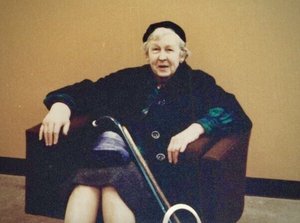
edith keesee shelton
1895 - 1989 , United States of America
Quick Facts
- Artistic Movement Or Style: Photography
- Date Of Birth: 1895
- Full Name: Edith Keesee Shelton
- Nationality: American
- Notable Artworks:
- 518-520 Church Street, Oregon Hill
- 812 Albemarle Street, Oregon Hill
- 1212 E. Cary Street, Shockoe Slip
- Place Of Birth: Richmond, United States of America