 Preview
 Send
Send Share
Share
 Details

 Download
 Similars
 X-Ray
X-Ray Diaporama
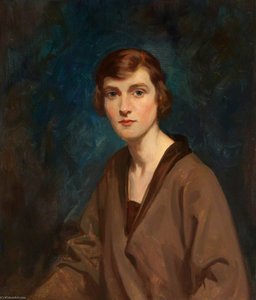
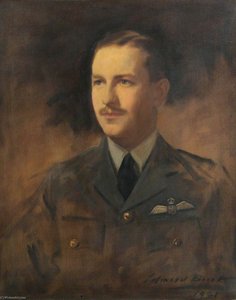
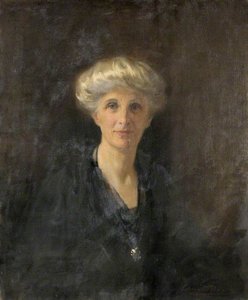
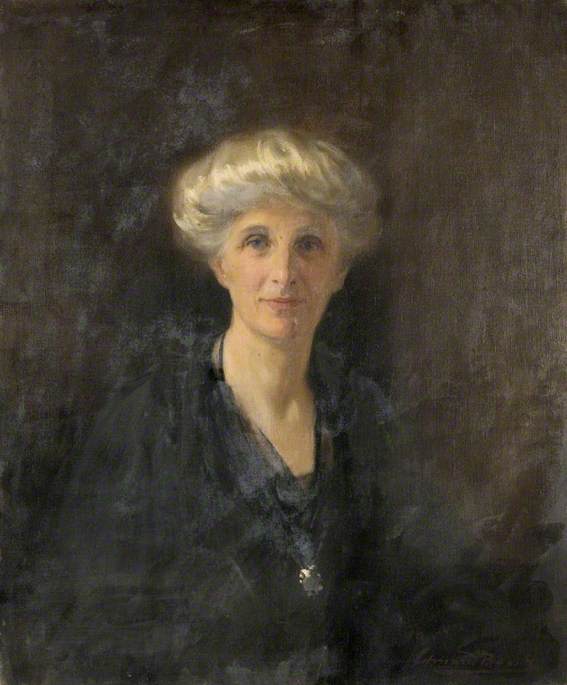
Marion L. Chrystal (b.1855)
 76.0 x 64.0 cm
 Read More
Hand Made Oil Reproduction
Hand-painted oil on canvas in your size and frame, made to order by our artists. ( Buy Print Buy Image)




































Pick from our preset sizes that match the artwork's original proportions.

You may enter your own dimensions to fit a specific frame or space. If your selected size does not match the original image's proportions, we will either crop the artwork or extend the painting with additional hand-painted elements. A digital mockup will be sent for your approval before production begins.
Please note that the on-screen preview does not reflect the actual cropping or extension. Only the mockup will accurately show the final composition.
While custom sizes are available, we recommend selecting a dimension from the predefined list to preserve the original proportions.
After order, ArtsDot.com team will email client for instructions and provide a mockup preview
Worldwide Delivery () in 3/4 weeks instead of standard 5 weeks. (20 August). No compromise on quality.

Free Worldwide Express Shipping

High-Quality Linen Canvas

Full Shipping Insurance

Customs Tax Refund Guarantee

True Color Matching Guarantee

60-Day Return Policy (Defects Only)

100% Money-Back Guarantee

Bulk Discount Offer
 Glass option is only available in size under 110 CM

Marion L. Chrystal (b.1855)
Reproduction Medium
Reproduction Size
-


Total Price
$ 263
Related Artworks
Artist Biography
Edmond Brock: Victorian Painter and Portraitist
Edmond Brock (1882–1952) stands as a quietly influential figure in British art history, primarily recognized for his meticulous depictions of golf courses and portraits capturing the dignity of aristocratic subjects. Born into a distinguished artistic lineage – son of sculptor Sir Thomas Brock—Brock’s formative years were steeped in creative tradition, shaping his artistic sensibilities and establishing him firmly within the Victorian landscape. His career spanned several decades, marked by consistent dedication to realism and an unwavering commitment to capturing nuanced expressions of character.- Early Life & Education: Born in London in 1882, Brock’s upbringing under the watchful eye of his father, Sir Thomas Brock (renowned for designing Trafalgar Square), instilled a profound appreciation for sculptural artistry and formal training. He attended Bedford School, honing his observational skills and developing an early understanding of artistic principles.
- Early Artistic Influences: Like many artists of his era, Brock absorbed the stylistic currents prevalent in Victorian Britain. The Beaux Arts movement, championed by figures like Auguste Rodin, undoubtedly exerted a considerable impact on his formative vision, emphasizing anatomical accuracy and emotive portrayal.
- Career Highlights & Notable Commissions: Brock’s professional life unfolded across several decades, punctuated by significant commissions that solidified his reputation as a portraitist of distinction. He gained acclaim for capturing the likenesses of prominent individuals—members of the Royal Family, statesmen, and wealthy industrialists—demonstrating exceptional technical prowess and artistic sensitivity.
Golf Paintings: A Distinctive Artistic Style
Brock’s fascination with golf extended beyond mere pastime; it became a central element of his artistic practice. He embarked on numerous projects documenting the sport's evolving landscape, meticulously rendering greens, bunkers, and golfers in breathtaking detail. These paintings aren’t merely representations of physical spaces but convey an atmosphere of leisure and sophistication—reflecting the values of the Victorian upper class. His technique involved careful layering of pigments to achieve a luminous quality that captured the subtle nuances of light and shadow on the golf course. The resulting images are celebrated for their precision and evocative beauty, establishing Brock as one of the foremost golfing artists of his time.- Technique & Materials: Brock favored oil paints—a medium known for its ability to produce rich colors and textural depth—allowing him to meticulously recreate the visual environment of golf courses.
- Compositional Considerations: His canvases often featured expansive vistas, incorporating elements of perspective and atmospheric haze to heighten realism and convey a sense of grandeur.
- Symbolic Significance: Beyond mere depiction, Brock’s golf paintings subtly communicated ideas about status, leisure, and the pursuit of excellence—themes deeply embedded in Victorian culture.
Portraiture: Capturing Dignity and Character
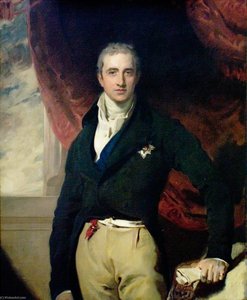
Brock's artistic legacy rests principally on his portraiture work, where he achieved remarkable success in conveying psychological depth alongside visual accuracy. He possessed an innate ability to discern the essence of his subjects—capturing not just their physical appearance but also their inner temperament and social standing. His portraits are distinguished by a serene composure and subtle expressions that reveal glimpses into the personalities beneath the surface.- Notable Subjects: Brock’s clientele included members of the Royal Family, prominent statesmen like Lord Castlereagh (whose portrait remains a masterpiece), and influential industrialists—individuals who commanded respect and admiration within Victorian society.
- Psychological Insight: He skillfully employed lighting and pose to heighten emotional impact, conveying feelings of dignity, contemplation, and quiet confidence.
- Legacy & Influence: Brock’s portraits continue to resonate with viewers today, serving as enduring symbols of Victorian grandeur and artistic excellence—a testament to his unwavering dedication to capturing the human spirit in its most refined form.
Critical Reception & Historical Significance
Despite not achieving widespread fame during his lifetime, Edmond Brock’s work garnered considerable acclaim from fellow artists and critics of his era. His meticulous realism—particularly evident in his golf paintings and portraits—was lauded for its technical virtuosity and emotional resonance. He was recognized as a champion of the Beaux Arts aesthetic, upholding standards of artistic excellence that mirrored those championed by leading sculptors and painters of the Victorian period. Brock’s contribution to British art history is underscored by his enduring influence on subsequent generations of artists—a quiet yet profound legacy secured through unwavering dedication to craft and an uncompromising pursuit of beauty.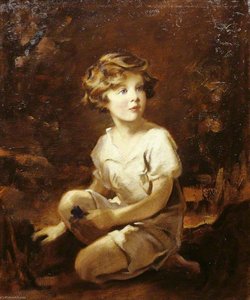
edmond brock
1882 - 1952
Quick Facts
- Artistic Movement Or Style: Victorian Illustration
- Artists Or Movements Influenced By This Artist: ['Neo-Impressionism']
- Artists Who Influenced This Artist: ['Thomas Lawrence']
- Date Of Birth: 1882
- Date Of Death: 1952
- Full Name: Charles Edmond Brock
- Nationality: English
- Notable Artworks:
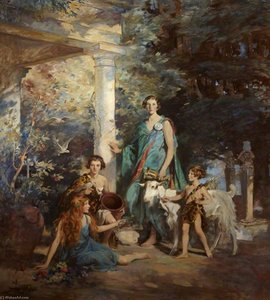
- Circe and the Sirens
- Lord Castlereagh
- Place Of Birth: London