 Preview
 Send
Send Share
Share
 Details

 Download
 Similars
 X-Ray
X-Ray Diaporama
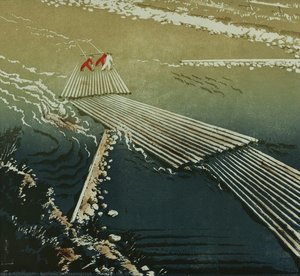
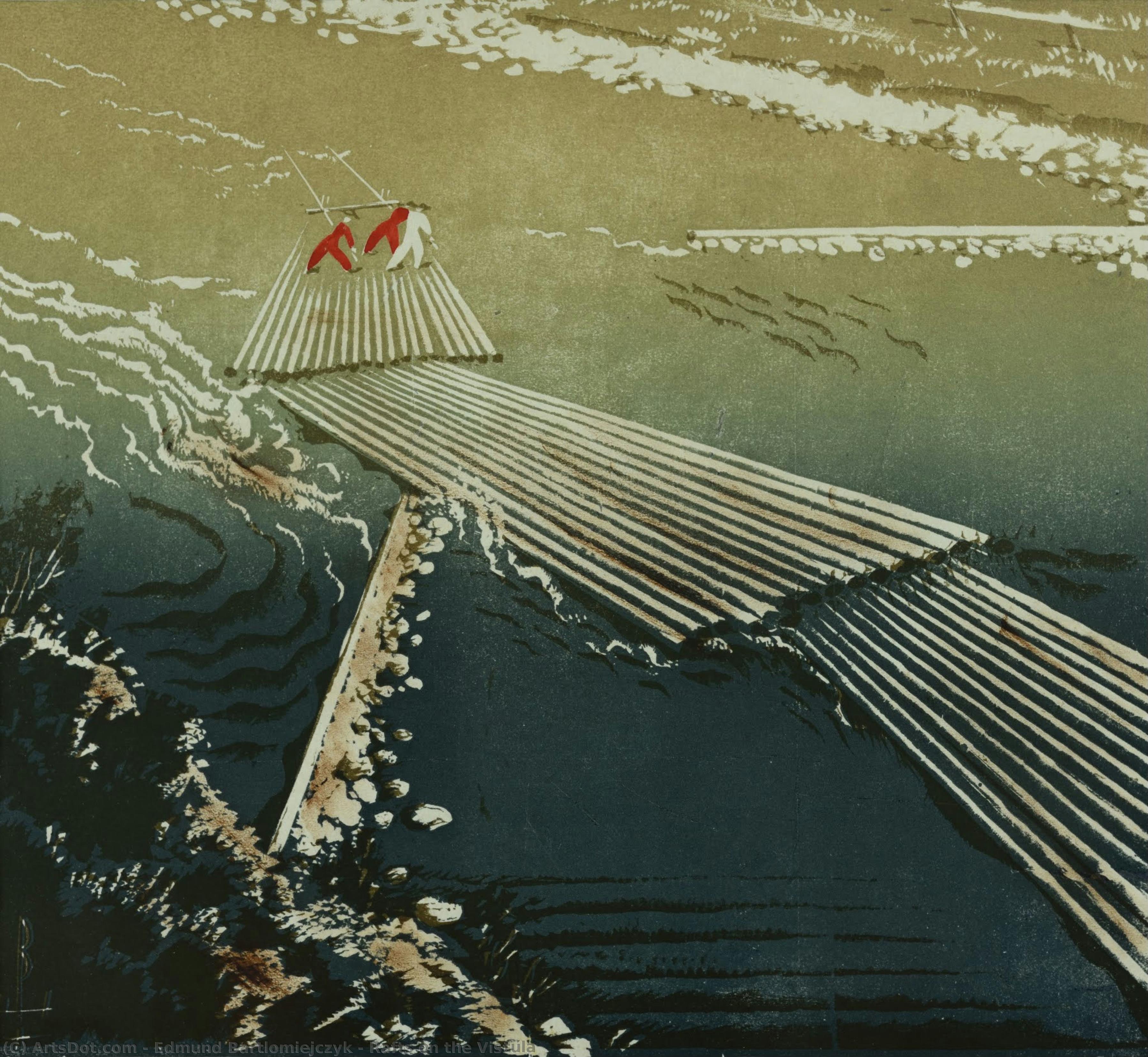
Rafts on the Vistula


 Read More
Hand Made Oil Reproduction
Hand-painted oil on canvas in your size and frame, made to order by our artists. ( Buy Print Buy Image)




P118B $10

P118H $10

P118W $10

P438Z $10

P508JH $12

P508YH $12

P805H $10

P805Z $10

P919BZ $10

P919G $10

P919XJ $10

P959ZH $10

P968JZ $12

W106C $8

W218G $10

W218JH $8

W218Y $10

W307PJ $10

W316G $10

W316PJ $8

W316Y $10

W398PJ $8

W4111J $10

W500HY $15

W500JH $15

W692G $12

W849H $8

W940BG $15

W953PJ $8




Pick from our preset sizes that match the artwork's original proportions.

You may enter your own dimensions to fit a specific frame or space. If your selected size does not match the original image's proportions, we will either crop the artwork or extend the painting with additional hand-painted elements. A digital mockup will be sent for your approval before production begins.
Please note that the on-screen preview does not reflect the actual cropping or extension. Only the mockup will accurately show the final composition.
While custom sizes are available, we recommend selecting a dimension from the predefined list to preserve the original proportions.
After order, ArtsDot.com team will email client for instructions and provide a mockup preview
Worldwide Delivery () in 3/4 weeks instead of standard 5 weeks. (17 August). No compromise on quality.

Free Worldwide Express Shipping

High-Quality Linen Canvas

Full Shipping Insurance

Customs Tax Refund Guarantee

True Color Matching Guarantee

60-Day Return Policy (Defects Only)

100% Money-Back Guarantee

Bulk Discount Offer
 Glass option is only available in size under 110 CM

Rafts on the Vistula
Reproduction Medium
Reproduction Size
-


Total Price
$ 263
Artwork Description
A Serene Drift Through Polish History
In the quietude of 1931, Edmund Bartłomiejczyk captured a moment of profound stillness in his evocative masterpiece, Rafts on the Vistula. The painting invites the viewer to step away from the frantic pace of modern existence and drift alongside two figures navigating the gentle currents of Poland's most iconic waterway. There is an undeniable intimacy in this scene; as the raft, constructed from weathered branches and sticks, glides across the glassy surface, we are witness to a shared experience of peace. The composition draws us into a world where the boundary between humanity and nature dissolves, leaving only the rhythmic movement of the river and the soft, golden light of a passing afternoon.
The artist’s technique reveals a deep-seated reverence for the Impressionistic masters. Much like Monet or Renoir, Bartł::omiejczyk utilizes a delicate touch to manipulate light and color, ensuring that the water does not merely appear as a blue surface, but as a living, breathing entity reflecting the sky and the surrounding landscape. The brushwork is purposeful yet fluid, capturing the subtle textures of the wooden raft and the soft, sandy edges of the distant beach. This mastery of atmosphere allows the painting to function not just as a depiction of a place, but as an emotional landscape, evoking a sense of nostalgia and a longing for the simplicity of rural life.
The Soul of the Vistula Landscape
Beyond its aesthetic beauty, Rafts on the Vistula serves as a poignant window into the Polish countryside during the interwar period. Bartłomiejczyk was a painter deeply rooted in the rhythms of everyday life, and here, he elevates a mundane moment of river travel into something poetic and timeless. The symbolism of the raft—a vessel of transition and slow progress—mirrors the contemplative state of the subjects. They are suspended between the shore and the unknown, much like the viewer is suspended in the act of observation. This sense of quietude makes the piece an extraordinary choice for those looking to introduce a sense of calm and historical depth into a curated interior.
For the discerning collector or interior designer, this artwork offers more than mere decoration; it provides a focal point of tranquility. The muted palette and the harmonious balance between the figures and their environment make it a versatile addition to sophisticated spaces, whether placed in a sunlit study or a contemporary living room. Owning a high-quality reproduction of this work means bringing a piece of Poland's artistic soul into one's home—a permanent invitation to pause, breathe, and reflect upon the enduring beauty of the natural world.
Related Artworks

Artist Biography
The Luminous Spirit of the Polish Landscape
Edmund Bartłomiejczyk, a master of the ephemeral, possessed a rare ability to translate the fleeting nuances of light into enduring visual poetry. Born in 1885, his artistic journey was deeply shaped by the Impressionistic currents flowing through Europe. Drawing inspiration from the legendary techniques of Claude Monet and Pierre-Auguste Renoir, Bartłomiejczyk sought to capture not just the physical form of the landscape, but the very breath of the atmosphere itself. His work often centered on the serene beauty of river landscapes, where the water becomes a mirror for the sky, reflecting a world caught in a moment of profound stillness.A Tapestry of Everyday Existence
While many of his contemporaries sought grandeur in historical epics, Bartłomiejczyk found his muse in the tangible realities of rural Poland. He turned his gaze toward the rhythmic pulse of daily life, finding sanctity in the ordinary. His canvases are filled with the pastoral rhythms of farmers tending to their ancestral fields, the innocent joy of children playing along sun-drenched riverbanks, and the warmth of families gathered around a hearth. To achieve this, he employed a delicate technique of layering thin washes of pigment, creating luminous surfaces that seemed to glow from within. Through the masterful use of complementary colors and subtle, purposeful brushstrokes, he achieved a textural nuance that brought the textures of weathered wood and sandy shores to life.Legacy and International Resonance
The significance of Bartłomiejczyk’s contribution to Polish art reached far beyond local borders. His talent earned him a place on the international stage during the 1932 Summer Olympics in Berlin, where his painting “Esterka” was showcased among the finest works of Europe. This period marked a pinnacle of recognition for an artist who remained, at his core, a painter of the soul and the soil. Even in masterpieces like “Rafts on the Vistula,” there is a sense of nostalgia—a longing for a simpler, more contemplative era. His legacy remains a vital part of the Polish artistic canon, reminding us of the beauty found in the quiet, steady flow of life and river.
edmund bartlomiejczyk
1885 - 1950 , Poland
Quick Facts
- Artistic Movement Or Style: Realism
- Artists Or Movements Influenced By This Artist: ['European Painting']
- Artists Who Influenced This Artist: ['Henryk Tanworth Wells']
- Date Of Birth: November 5, 1885
- Date Of Death: September 2, 1950
- Full Name: Edmund Bartłomiejczyk
- Nationality: Polish
- Notable Artworks:
- Esterka
- Rafts on the Vistula
- Place Of Birth: Warsaw, Poland
Related Articles

Beyond the Horizon: 10 Landscape Masterpieces for Your Home Decor
Journey through 10 breathtaking landscape paintings by Monet, Van Gogh & more! Explore iconic artworks, artistic techniques & find inspiration for your home decor. Museum-quality reproductions at ArtsDot.com. Discover all masterpieces on ArtsDot.com

Impressionist Landscapes: 10 Masterpieces for Your Home | ArtsDot
Journey through 10 iconic Impressionist landscapes by Monet, Renoir & Degas. Explore the history, techniques & emotions behind these masterpieces. Find museum-quality reproductions for your home at ArtsDot.com – where art comes to life! Discover all masterpieces on ArtsDot.com

Impressionistic Landscapes: 10 Masterpieces That Changed Art & Decor
Journey into the heart of Impressionism! Explore 10 masterpieces by Monet, Renoir & Degas that revolutionized landscape art. Discover their stories, techniques & find museum-quality reproductions to elevate your home decor on ArtsDot.com.
Renoir's Masterpieces: Explore 25 Iconic Paintings & Bring Art Home | ArtsDot
Explore 25 iconic Pierre-Auguste Renoir paintings! Discover the stories behind Impressionist masterpieces like 'Dance at Le Moulin de la Galette' & 'Luncheon of the Boating Party'. Find museum-quality art reproductions and elevate your home decor with ArtsDot.com.
Hudson River School: 10 Masterpieces That Capture America's Wild Beauty | ArtsDot
Journey through America's breathtaking landscapes with our guide to the Top 10 Hudson River School masterpieces. Explore Thomas Cole, Frederic Church & more! Find museum-quality art reproductions and elevate your home decor at ArtsDot.com.