

 Preview
 Send
Send Share
Share
 Details

 Download
 Similars
 X-Ray
X-Ray Diaporama
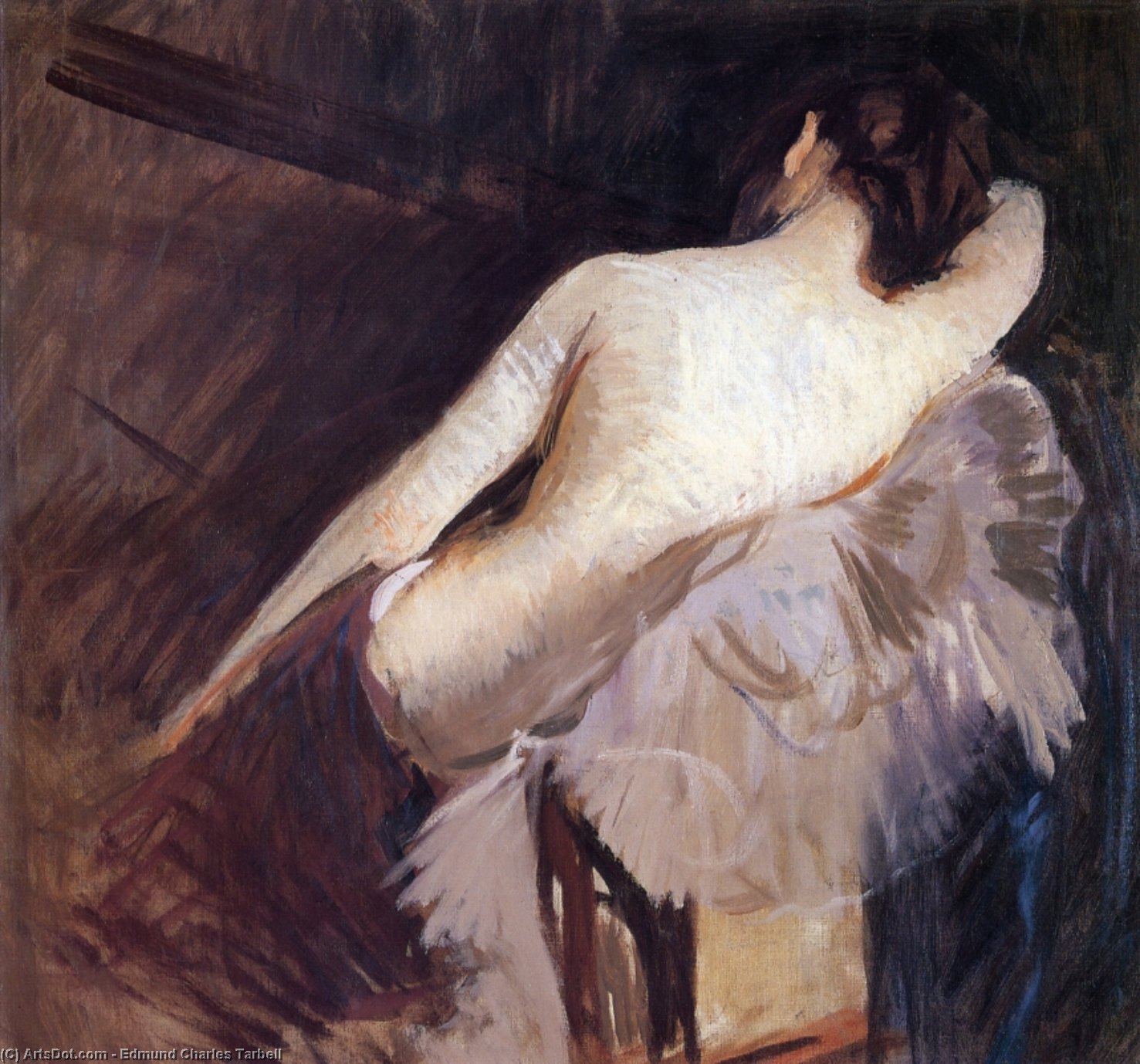
Study for The Venetian Bind''''


 Read More
Purchase a high-resolution, enhanced digital image, far superior to the online preview.
Each file is meticulously prepared by our in-house specialists using advanced tools and expert manual retouching. We ensure every image has exceptional clarity, precise color accuracy, and fine detail.
The final file is delivered via email within 72 hours, optimized for immediate use in professional, editorial, and print environments. This is the same quality trusted by top-tier design studios, publishers, and galleries.
Digital Image
Download a high-resolution file for personal display, printing, and creative projects. ( Buy Print Buy Hand Made Painting)
Included in Every Digital Image Order
Expert Digital Delivery, Guaranteed
When you choose ArtsDot.com, you're not just getting an image - you're receiving a professionally enhanced digital artwork, crafted with precision and backed by a satisfaction guarantee. Here's everything that comes with your order, automatically:

Fast Email Delivery
Your high-resolution digital image file will be emailed to you within 72 hours of ordering - ready for immediate use.

AI-Enhanced Digital File
Your artwork is professionally optimized using advanced AI tools and manual editing, ensuring maximum detail, clarity, and color accuracy.

Free Lifetime Re-Delivery
Accidentally deleted or lost your file? No worries - we'll resend it to you anytime, free of charge.

No Import Fees - Ever
Enjoy your artwork instantly with zero customs, duties, or delivery fees - digital downloads are always tax-free.

Color Accuracy Guarantee
We ensure your digital image reflects the original colors as closely as possible using professional tools and color management.

60-Day Satisfaction Guarantee
If you're not satisfied with your digital image, we'll revise it or refund 100% within 60 days - no questions asked.

100% Money-Back Guarantee
Not satisfied? Get a full refund within 60 days of receiving your digital file - no questions asked.

Bulk Order Discounts
Buy 3 images, save 10% - Buy 5, save 15% - Buy 10+, save 20%. Great for creative projects, galleries, and agencies.
Collectible Description
A Moment Frozen in Light: Edmund Charles Tarbell’s “Study for The Venetian Blind”
“Study for The Venetian Bind,” painted by Edmund Charles Tarbell in 1898, stands as a quintessential example of American Impressionism—a movement dedicated to portraying the ephemeral beauty of everyday life through vibrant color and atmospheric perspective. Currently residing at the Worcester Art Museum, this oil on canvas piece transcends mere visual representation; it invites contemplation on themes of domestic tranquility and the subtle interplay between light and form.Composition and Technique: Capturing Fleeting Impression
Tarbell’s masterful technique—characterized by loose brushstrokes and a layering of translucent glazes—effectively conveys the diffused sunlight filtering through sheer curtains, creating an illusion of warmth and serenity within the bedroom interior. The woman seated on the couch is positioned centrally, her back turned towards the viewer, emphasizing her posture and inviting us to imagine her gaze directed outwards. Careful attention to detail—the vases holding flowers and the clocks adorning the wall—adds depth to the scene and reinforces the sense of a lived-in space. Notably, a bird perched delicately on the upper right corner serves as an unexpected focal point, subtly disrupting the stillness and hinting at the presence of nature within this enclosed environment.Historical Context: The Ten American Painters
Tarbell’s work emerged during the formative years of the “Ten American Painters” group—a collective dedicated to establishing Impressionism's foothold in the United States. Influenced by artists like Claude Monet and Pierre-Auguste Renoir, Tarbell sought to capture not just what he saw but how it felt—the emotional resonance of a particular moment in time. This artistic endeavor reflects the broader cultural shift towards valuing subjective experience and prioritizing sensory perception during the late nineteenth century.Symbolism: Quietude and Domestic Harmony
Beyond its technical brilliance, “Study for The Venetian Blind” carries symbolic weight. The woman’s repose signifies peace and contentment—a deliberate contrast to the anxieties of the era. The flowers symbolize beauty and renewal, while the clocks represent time passing, reminding us of the fleeting nature of existence. Together, these elements contribute to a harmonious tableau that speaks to the idealized vision of domestic life prevalent in Victorian America.Emotional Impact: An Invitation to Reflection
Ultimately, Tarbell’s “Study for The Venetian Blind” succeeds in evoking a profound sense of calm and contemplation. Its luminous palette and expressive brushwork transport us back to a moment of quiet beauty—a reminder that art can capture not only what is visible but also what resides within the human spirit. Reproductions of this remarkable painting offer an opportunity to bring this timeless vision into any home, fostering appreciation for Impressionism’s enduring legacy.Related Artworks

Artist Biography
Early Life and Education
- Born: Groton, United States of America (1862)
- Died: 1938
- Edmund Charles Tarbell was born into a family with deep American roots. His father, Edmund Whitney, passed away when Tarbell was young, leaving his mother, Mary Sophia Fernald, to remarry and raise him and his sister in West Groton, Massachusetts.
- His early artistic training began at the Massachusetts Normal Art School.
- He further honed his skills through an apprenticeship at Forbes Lithographic Company in Boston.
- From 1879 to 1880, he studied under Otto Grundmann at the School of the Museum of Fine Arts in Boston, a pivotal period shaping his artistic foundation.
Artistic Career and Style
- Tarbell's career encompassed illustration, private art instruction, and portrait painting. He married Emeline Souther in 1888, who also studied art.
- His style is characterized as American Impressionism, reflecting a focus on capturing fleeting moments of light and atmosphere.
- He was known for his luminous portraits, intimate domestic scenes, and depictions of Colonial Revival interiors.
- Notable works include Self Portrait, Benjamin Rush, and After the Ball.
- In the Orchard (1891) is considered a defining work, showcasing his ability to portray everyday life with sensitivity and skill.
Membership in "Ten American Painters" and Guild of Boston Artists
- Tarbell was a founding member of the influential group known as “Ten American Painters,” formed in 1897. This collective aimed to promote American art and provide an alternative exhibition venue to established institutions.
- The group included prominent artists like John H. White, Joseph Penway Dodge, and others who shared a commitment to portraying contemporary life with realism and Impressionistic techniques.
- In 1914, he co-founded the Guild of Boston Artists and served as its first president until 1924, further demonstrating his dedication to supporting fellow artists and fostering an artistic community.
Major Achievements and Legacy
- Tarbell's works are held in prestigious collections including the Smithsonian American Art Museum, the Corcoran Gallery of Art, the National Academy of Design, and even the White House.
- His ability to capture the essence of domestic life and portray individuals with warmth and authenticity earned him widespread recognition during his lifetime.
- He is remembered as a significant figure in American Impressionism, contributing to the development of a distinctly American artistic voice.
- Tarbell's influence can be seen in subsequent generations of artists who embraced his focus on everyday subjects and his commitment to portraying life with honesty and sensitivity.
Historical Significance
- As a member of "Ten American Painters," Tarbell played a crucial role in challenging the dominance of European artistic styles and promoting a uniquely American aesthetic.
- His work reflects the changing social landscape of late 19th and early 20th century America, capturing the values and aspirations of a burgeoning middle class.
- Tarbell's legacy extends beyond his individual paintings; he helped to establish Boston as a center for artistic innovation and contributed to the growth of American art on a national stage.
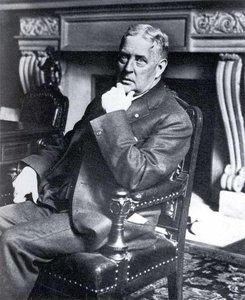
Edmund Charles Tarbell
1862 - 1938 , United States of America
Quick Facts
- Artistic Movement Or Style: American Impressionism
- Date Of Birth: April 26, 1862
- Date Of Death: 1938
- Full Name: Edmund Charles Tarbell
- Nationality: American
- Notable Artworks:
- In the Orchard
- In a Garden
- Girl with Sailboat
- Mercie Cutting Flowers
- Place Of Birth: West Groton, USA

