 Preview
 Send
Send Share
Share
 Details

 Download
 Similars
 X-Ray
X-Ray Diaporama
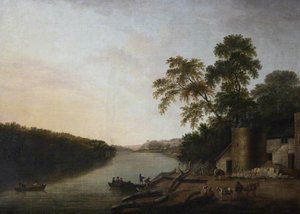
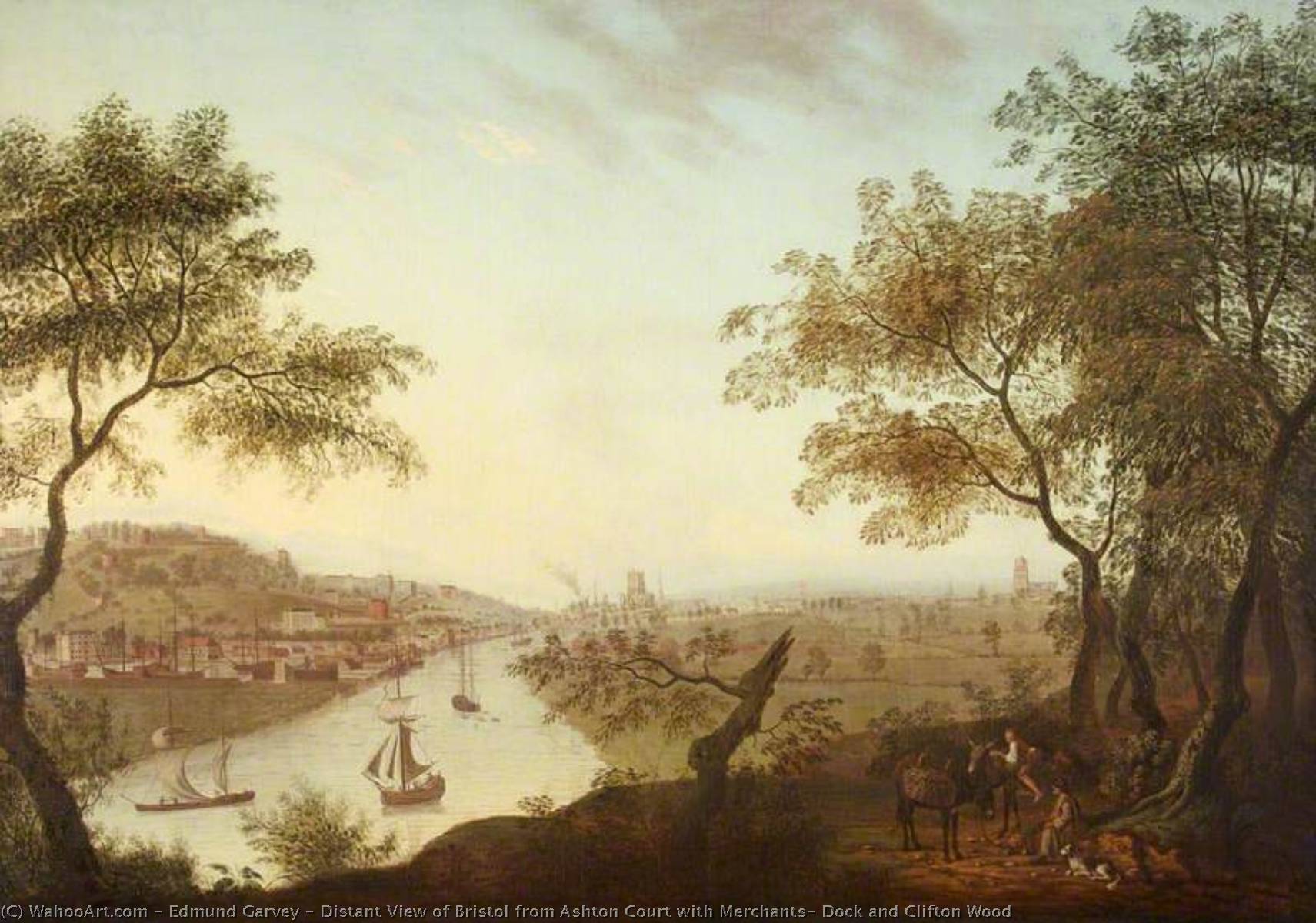
Distant View of Bristol from Ashton Court with Merchants' Dock and Clifton Wood
 1775
1775 87.0 x 123.0 cm
 Merchants Hall
 Read More
Hand Made Oil Reproduction
Hand-painted oil on canvas in your size and frame, made to order by our artists. ( Buy Print Buy Image)




































Pick from our preset sizes that match the artwork's original proportions.

You may enter your own dimensions to fit a specific frame or space. If your selected size does not match the original image's proportions, we will either crop the artwork or extend the painting with additional hand-painted elements. A digital mockup will be sent for your approval before production begins.
Please note that the on-screen preview does not reflect the actual cropping or extension. Only the mockup will accurately show the final composition.
While custom sizes are available, we recommend selecting a dimension from the predefined list to preserve the original proportions.
After order, ArtsDot.com team will email client for instructions and provide a mockup preview
Worldwide Delivery () in 3/4 weeks instead of standard 5 weeks. (27 August). No compromise on quality.

Free Worldwide Express Shipping

High-Quality Linen Canvas

Full Shipping Insurance

Customs Tax Refund Guarantee

True Color Matching Guarantee

60-Day Return Policy (Defects Only)

100% Money-Back Guarantee

Bulk Discount Offer
 Glass option is only available in size under 110 CM

Distant View of Bristol from Ashton Court with Merchants' Dock and Clifton Wood
Reproduction Medium
Reproduction Size
-


Total Price
$ 263
Related Artworks









Artist Biography
The Visionary Landscapes of Edmund Garvey
In the tapestry of eighteenth-century European art, few threads are as delicately woven as those of Edmund Garvey. Born in Kilkenny, Ireland, around 1740, Garvey emerged from the verdant landscapes of his homeland to become a distinguished figure within the prestigious Royal Academy. His life was a journey of movement and light, spanning the grand vistas of Rome to the tranquil, pastoral reaches of Devonshire. While biographical records from this era often remain shrouded in mystery, the enduring legacy of his brushwork speaks volumes of an artist deeply attuned to the shifting moods of the natural world and the timeless elegance of classical antiquity.
Garvey’s artistic evolution was profoundly shaped by his encounters with the grandeur of the continent. Having studied under Robert Carver, he sought further inspiration in the heart of Italy, a period that would fundamentally alter his aesthetic sensibilities. His travels between 1768 and 1772 allowed him to immerse himself in the majesty of Roman architecture and the silent dignity of classical sculpture. This exposure birthed a fascination with what many call his "Roman Idols"—paintings where marble statues are not merely subjects, but intellectual anchors within the landscape. Through these works, Garvey engaged with the humanist ideals of the Enlightenment, using meticulous texture and masterful light to bridge the gap between the physical reality of stone and the ephemeral beauty of the surrounding atmosphere.
A Mastery of Light and Atmosphere
The technical prowess of Garvey lay in his ability to manipulate both oil and watercolor to capture the fleeting essence of a moment. His work often oscillated between the monumental and the intimate. In his more dramatic compositions, such as his depictions of the eruption of Mt. Vesuvius or the lightning-struck shores of Lake Geneva, one can sense a precursor to the Romantic movement—a fascination with the sublime power of nature. Yet, even in these intense scenes, Garvey maintained a disciplined control over tonal gradations, ensuring that every flicker of light and shadow served the narrative of the landscape.
This versatility was perhaps most evident in his celebrated watercolor, Waterfall in the Alps, which stood as one of the earliest Alpine subjects exhibited in Britain. Such works demonstrated his capacity to translate the rugged, intimidating scale of the mountains into a medium that felt both delicate and profound. His ability to render the weight of water and the crispness of mountain air solidified his reputation as an artist capable of capturing the very breath of the earth.
From Roman Grandeur to Devonshire Serenity
As his career progressed, Garvey’s focus shifted from the epic scale of Italy and the Alps toward the more subdued, pastoral beauty of the British Isles. Settling in Exeter, Devon, he turned his gaze toward the rolling hills and quiet estuaries of the English countryside. This later period of his life saw a departure from the dramatic architectural ruins of Rome in favor of serene, atmospheric vistas. These Devonshire scenes, while less monumental in subject, retained the signature stylistic qualities that defined his career: a profound respect for texture, a subtle use of light, and an ability to find the extraordinary within the ordinary.
His achievements were formally recognized by the highest artistic institutions of his time. Having been elected an Associate of the Royal Academy in 1770, he reached the pinnacle of professional success when he was named a Royal Academician in 1783. This honor was accompanied by the poignant gesture of gifting his diploma work, Distant View of Rome, to the Royal Academy itself—a testament to his lifelong connection to the classical ideals that first ignited his passion. Through over one hundred exhibitions at the Royal Academy, Garvey left an indelible mark on the landscape tradition, leaving behind a body of work that continues to invite viewers into the quiet, beautiful worlds he so lovingly constructed.
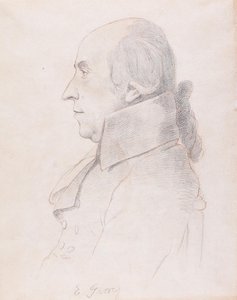
edmund garvey
1740 - 1813
Quick Facts
- Artistic Movement Or Style: Romanticism
- Artists Or Movements Influenced By This Artist: ['Turner']
- Artists Who Influenced This Artist:
- Joshua Reynolds
- Claude Lorrain
- Date Of Birth: 1740
- Date Of Death: 1813
- Full Name: Edmund Garvey
- Nationality: Irish
- Notable Artworks:
- Views of Rome
- Bristol Paintings
- Devon Landscapes
- Place Of Birth: Ireland