

 Preview
 Send
Send Share
Share
 Details

 Download
 Similars
 X-Ray
X-Ray Diaporama
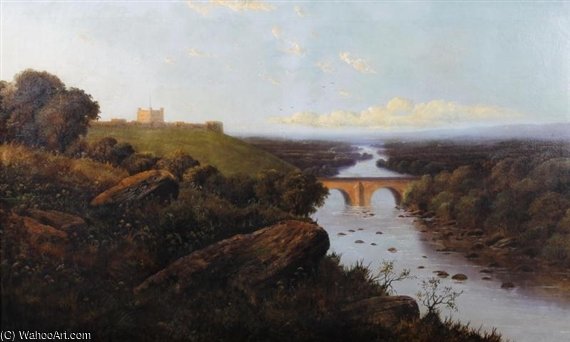
Richmond Castle And The River Swale
 Read More
Purchase a high-resolution, enhanced digital image, far superior to the online preview.
Each file is meticulously prepared by our in-house specialists using advanced tools and expert manual retouching. We ensure every image has exceptional clarity, precise color accuracy, and fine detail.
The final file is delivered via email within 72 hours, optimized for immediate use in professional, editorial, and print environments. This is the same quality trusted by top-tier design studios, publishers, and galleries.
Digital Image
Download a high-resolution file for personal display, printing, and creative projects. ( Buy Print Buy Hand Made Painting)
Included in Every Digital Image Order
Expert Digital Delivery, Guaranteed
When you choose ArtsDot.com, you're not just getting an image - you're receiving a professionally enhanced digital artwork, crafted with precision and backed by a satisfaction guarantee. Here's everything that comes with your order, automatically:

Fast Email Delivery
Your high-resolution digital image file will be emailed to you within 72 hours of ordering - ready for immediate use.

AI-Enhanced Digital File
Your artwork is professionally optimized using advanced AI tools and manual editing, ensuring maximum detail, clarity, and color accuracy.

Free Lifetime Re-Delivery
Accidentally deleted or lost your file? No worries - we'll resend it to you anytime, free of charge.

No Import Fees - Ever
Enjoy your artwork instantly with zero customs, duties, or delivery fees - digital downloads are always tax-free.

Color Accuracy Guarantee
We ensure your digital image reflects the original colors as closely as possible using professional tools and color management.

60-Day Satisfaction Guarantee
If you're not satisfied with your digital image, we'll revise it or refund 100% within 60 days - no questions asked.

100% Money-Back Guarantee
Not satisfied? Get a full refund within 60 days of receiving your digital file - no questions asked.

Bulk Order Discounts
Buy 3 images, save 10% - Buy 5, save 15% - Buy 10+, save 20%. Great for creative projects, galleries, and agencies.
Related Artworks

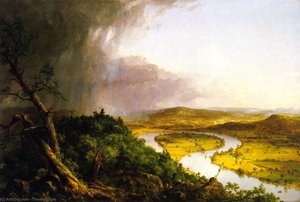
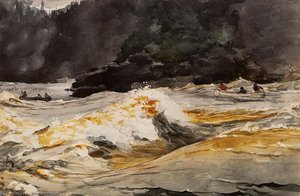
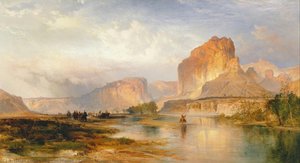
Artist Biography
The Visionary of the British Landscape
Edmund John Niemann stands as a luminous figure within the grand tapestry of Victorian landscape painting, a master who captured the fleeting soul of the British countryside with unparalleled devotion. Born in 1813 in Islington, London, Niemann’s early life was marked by a transition from the structured world of commerce to the boundless freedom of the canvas. The son of John Dietrich Niemann, a merchant associated with the prestigious Lloyd’s, Edmund initially followed a more pragmatic path, serving as a clerk within the bustling heart of the City of London. However, the call of the natural world proved irresistible. In 1839, he made the courageous decision to abandon the ledger and the pen, settling in High Wycombe, Buckinghamshire, where he could immerse himself in the practice of painting outdoors, seeking the raw, unadorned beauty of the landscape.
His artistic evolution was deeply shaped by the giants of his era. Niemann’s work breathes with the atmospheric drama of J.M.W. Turner and the delicate, emotive naturalism of Corot. From these masters, he inherited a profound understanding of how light interacts with the elements—how a hazy sky might illuminate a riverbank or how heavy clouds might threaten a craggy moorland. While his technical execution possessed a meticulous precision reminiscent of his mercantile lineage, his heart belonged to the Romantic movement. He sought not merely to document topography, but to evoke the sublime, capturing those transient moments where nature reveals its most profound and emotive character.
A Prolific Legacy Across the British Isles
Niemann’s career was defined by an extraordinary period of productivity and exhibition success that spanned several decades. Between 1844 and 1872, his canvases graced the walls of the most esteemed institutions in the United Kingdom, including the Royal Academy, the British Institution, and the Society of British Artists. This consistent presence in prestigious galleries solidified his reputation as a highly successful and respected professional artist. His portfolio was remarkably diverse, stretching across the breadth of the British Isles, yet he found particular inspiration in the rhythmic flow of water and the rugged textures of northern terrains.
The themes that recur throughout his oeuvre reflect a deep intimacy with the English landscape:
- The River Thames: Perhaps his most celebrated subject, where Niemann captured the serene and bustling life of the river with masterful light and color.
- Yorkshire Moors: Evocative works such as "On The Moors, Yorkshire" demonstrate his ability to portray the vast, untamed beauty of the northern landscape.
- River Swale and Richmond: His explorations near Richmond, North Yorkshire, showcase a delicate balance between topographical accuracy and romantic atmosphere.
- Historical Landmarks: Works like "Goodrich Castle On The River Wye" highlight his skill in integrating architectural history into the natural environment.
Artistic Significance and Enduring Impression
Though no definitive record remains of Niemann’s formal academic training, the sheer sophistication of his technique suggests a self-taught brilliance or a highly disciplined period of study within influential artistic circles. His ability to command both the grand, sweeping vistas and the intimate, quiet corners of nature allowed him to bridge the gap between pure Romanticism and a more grounded, realistic depiction of the British landscape. He was an artist who could navigate the tension between the sublime—the awe-inspiring power of nature—and the picturesque—the charming, detailed beauty of the countryside.
By the time of his death in 1876, Edmund John Niemann had left behind an immense and enduring corpus of work that remains a vital window into the Victorian perception of the natural world. His paintings do more than represent scenery; they preserve the light, the weather, and the very atmosphere of a bygone era. Today, his works held in collections such as the Wolverhampton Art Gallery serve as a testament to a man who successfully transformed a life of clerical duty into a legacy of profound aesthetic beauty, ensuring that the tranquil landscapes he loved would continue to inspire generations of viewers.

Edmund John Niemann
1813 - 1876 , United Kingdom
Quick Facts
- Artistic Movement Or Style: Romantic painting
- Artists Or Movements Influenced By This Artist: ['Romanticism']
- Artists Who Influenced This Artist:
- J.M.W. Turner
- Corot
- Friedrich
- Date Of Birth: 1813
- Date Of Death: 1876
- Full Name: Edmund John Niemann
- Nationality: British
- Notable Artworks:
- On The Moors, Yorkshire
- A View Across The Moor To Richmond Castle
- Place Of Birth: London, United Kingdom

