 Preview
 Send
Send Share
Share
 Details

 Download
 Similars
 X-Ray
X-Ray Diaporama
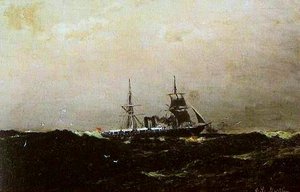
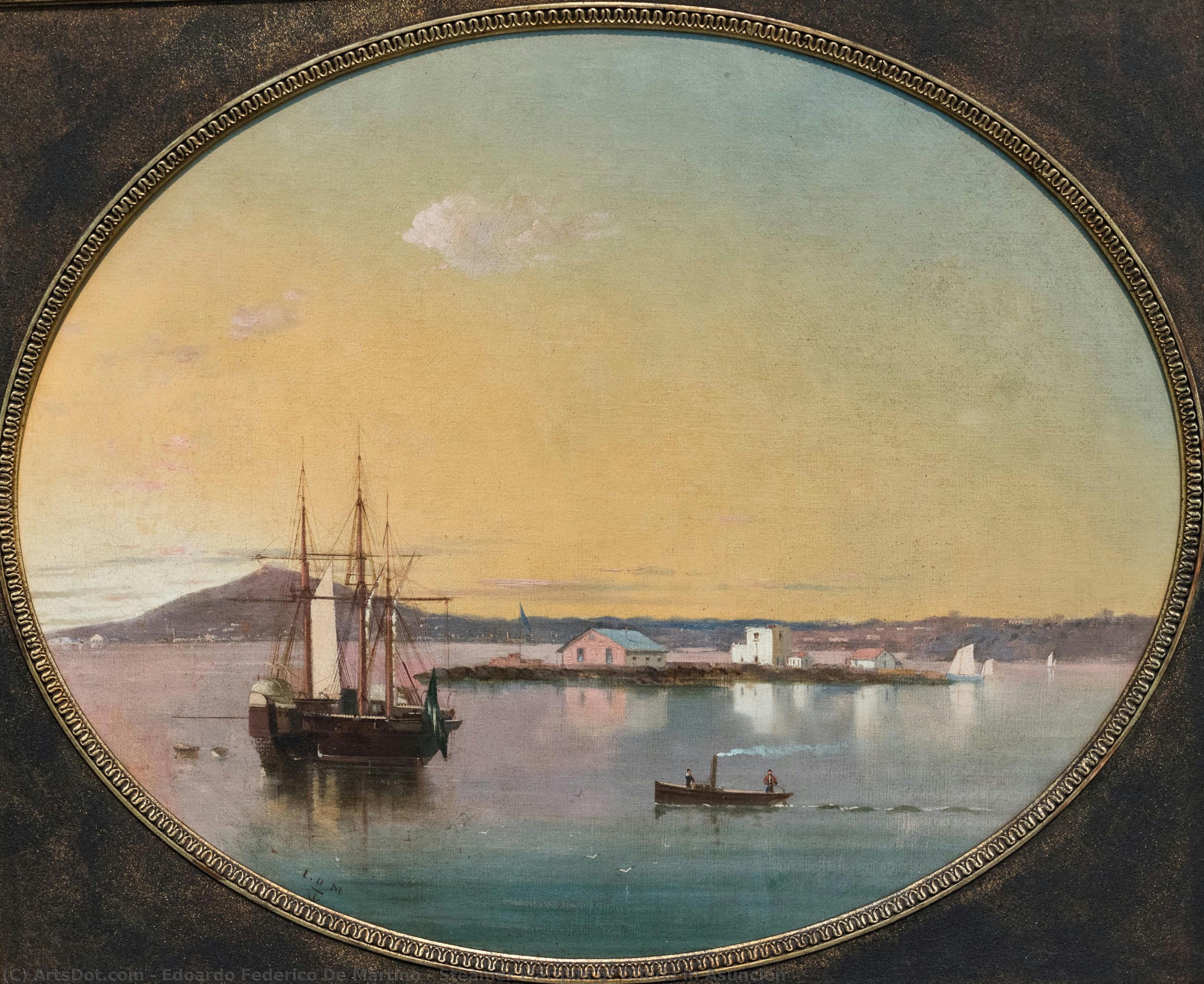
Steamer Marquis of Olinda in Asunción
 Oil
Oil- WallArt
- Naval Impressionism
 1879
1879- 19th Century
 78.0 x 6.0 cm
 Museu Histórico Nacional
 Read More
Hand Made Oil Reproduction
Hand-painted oil on canvas in your size and frame, made to order by our artists. ( Buy Print Buy Image)




P118B $10

P118H $10

P118W $10

P438Z $10

P508JH $12

P508YH $12

P805H $10

P805Z $10

P919BZ $10

P919G $10

P919XJ $10

P959ZH $10

P968JZ $12

W106C $8

W218G $10

W218JH $8

W218Y $10

W307PJ $10

W316G $10

W316PJ $8

W316Y $10

W398PJ $8

W4111J $10

W500HY $15

W500JH $15

W692G $12

W849H $8

W940BG $15

W953PJ $8




Pick from our preset sizes that match the artwork's original proportions.

You may enter your own dimensions to fit a specific frame or space. If your selected size does not match the original image's proportions, we will either crop the artwork or extend the painting with additional hand-painted elements. A digital mockup will be sent for your approval before production begins.
Please note that the on-screen preview does not reflect the actual cropping or extension. Only the mockup will accurately show the final composition.
While custom sizes are available, we recommend selecting a dimension from the predefined list to preserve the original proportions.
After order, ArtsDot.com team will email client for instructions and provide a mockup preview
Worldwide Delivery () in 3/4 weeks instead of standard 5 weeks. (6 September). No compromise on quality.

Free Worldwide Express Shipping

High-Quality Linen Canvas

Full Shipping Insurance

Customs Tax Refund Guarantee

True Color Matching Guarantee

60-Day Return Policy (Defects Only)

100% Money-Back Guarantee

Bulk Discount Offer
 Glass option is only available in size under 110 CM

Steamer Marquis of Olinda in Asunción
Reproduction Medium
Reproduction Size
-


Total Price
$ 263
A Maritime Vision of Serenity
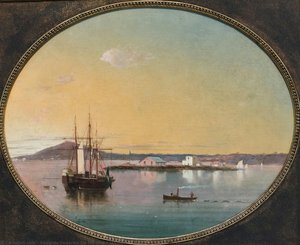
In the delicate brushwork of Edoardo Federico de Martino’s 1879 masterpiece, Steamer Marquis of Olinda in Asunción, we are transported to a moment of profound maritime tranquility. The painting captures a sprawling expanse of deep blue sea, where the gentle undulations of the water reflect a sky of quiet splendor. At the heart of this composition lies the majestic vessel, a steamboat characterized by its sturdy brown hull and the commanding presence of three masts topped with crows' nests. This is not merely a depiction of a ship, but an invitation to witness the rhythmic pulse of life upon the ocean. The artist masterfully balances the grandeur of the primary vessel with smaller, scattered boats that drift across the canvas, creating a sense of vastness and depth that draws the viewer into the very center of the Atlantic breeze.
The technique employed by de Martino reveals his profound roots in naval observation and the subtle influences of 19th-century impressionism. Through meticulous attention to light and shadow, he captures the way sunlight dances upon the crest of a wave and how the silhouettes of distant figures emerge from the hazy horizon. The composition is thoughtfully layered; the foreground invites us into the cool embrace of the blue sea, while the midground provides a stage for human activity, featuring solitary figures that lend a sense of scale and narrative intimacy to the scene. For the discerning collector or interior designer, this piece offers a sophisticated interplay of color and light, making it an ideal focal point for spaces that require a touch of classical elegance and a calming, atmospheric presence.
Historical Resonance and Artistic Legacy
To understand the emotional weight of this work, one must consider the hand of the artist himself. Edoardo Federico de Martino, a man whose life was intimately entwined with the Italian Navy, brought an unparalleled authenticity to his maritime subjects. His ability to render the structural complexity of a steamship—a symbol of 19th-century technological progress—alongside the timeless, organic movement of the sea, creates a compelling tension between man and nature. This painting serves as a window into the late 1800s, an era of exploration and maritime commerce, where the arrival of a steamer like the Marquis of Olinda represented both connection and adventure.
Beyond its historical value, the artwork possesses a timeless emotional resonance. It evokes a sense of nostalgia for the golden age of sail and steam, offering a peaceful retreat from the frenetic pace of modern life. The soft palette and the rhythmic arrangement of the boats suggest a world in harmony, where the elements are at rest. Whether displayed in a grand library, a coastal estate, or a contemporary office, this reproduction brings with it the spirit of the sea and the enduring legacy of an Italian master who found poetry in the movement of the tides.
Related Artworks



Artist Biography
The Maritime Vision of Edoardo Federico de Martino
Edoardo Federico de Martino stands as a singular figure in 19th-century art, recognized primarily for his captivating depictions of warships and maritime battles—a genre that cemented his reputation as one of the era's most compelling marine painters. Born in Meta di Sorrentino, Italy, in 1836, his early life was shaped by the salt and spray of the Mediterranean. Before he ever picked up a brush to immortalize the sea, de Martino embarked on an artistic journey marked by service in the Italian Navy. This firsthand experience with naval life provided him with an unparalleled anatomical understanding of vessels and the visceral reality of life at sea, allowing him to approach his subjects not merely as a spectator, but as a witness to the maritime world.
Around the age of thirty, de Martino transitioned from the deck of a ship to the artist's studio, profoundly impacted by the stylistic innovations championed by the Scuola Romana movement. His formative years instilled a deep appreciation for observation and meticulous detail, skills that would prove invaluable as he established himself in Naples and subsequently gained international acclaim in London. It was in the heart of the British Empire where de Martino truly flourished, becoming celebrated for his ability to capture the dynamism of naval engagements with remarkable precision and emotional resonance—a talent particularly appreciated by Queen Victoria herself.
A Masterful Blend of Impressionism and Tradition
The technical brilliance of de Martino lies in his unique ability to bridge the gap between academic rigor and modern expression. His technique was characterized by a masterful blend of Impressionistic brushwork and classical training. He skillfully employed loose, vibrant strokes to convey movement, wind, and the churning atmosphere of the ocean—a hallmark of the Impressionist influence—while simultaneously adhering to strict compositional principles to ensure stability and grandeur in his depictions of massive warships. This duality allowed him to achieve an unparalleled level of expressive power without sacrificing the structural integrity required for maritime accuracy.
His palette was as turbulent as the seas he portrayed, favoring bold hues that mirrored the drama of naval warfare. Whether capturing the serene, sun-drenched atmosphere of a peaceful harbor or the smoke-filled chaos of a broadside exchange, de Martino used light and color to evoke the palpable tension of the moment. His works, such as his evocative depictions of French frigates or the tranquil scenes of Naples, demonstrate a profound command over the way light interacts with water, wood, and canvas.
Legacy and Historical Significance
Throughout his prolific career, de Martino produced a vast oeuvre encompassing both Italian and British subjects, leaving behind a legacy that serves as a visual chronicle of 19th-century naval history. His canvases breathed life into pivotal moments in maritime lore, immortalizing legendary engagements such as:
- The Battle of Trafalgar: Recreating the epic scale and intensity of one of history's most famous naval confrontations.
- The Nile Expedition: Capturing the strategic movements and atmospheric tension of British operations.
- Cape San Vincenzo: Documenting the grandeur and peril of historical maritime maneuvers.
Beyond the spectacle of battle, his work also celebrated the quiet majesty of naval life, from the bustling activity of The Quay at Naples to the serene presence of steamships in distant ports. By blending the precision of a naval officer with the soul of an Impressionist, Edoardo Federico de Martino created a body of work that transcends mere documentation. He did not merely paint ships; he painted the very spirit of the sea, ensuring that the triumphs and tragedies of the maritime age would remain eternally vibrant for generations to come.
Edoardo Federico de Martino
1836 - 1912 , Italy
Quick Facts
- Artistic Movement Or Style: Marine Painting
- Artists Or Movements Influenced By This Artist: ['British Naval Art']
- Artists Who Influenced This Artist: ['School of Resina']
- Date Of Birth: Meta, Italy (1836)
- Date Of Death: 1912
- Full Name: Edoardo Federico de Martino
- Nationality: Italian-British
- Notable Artworks:
- The Royal Yacht Victoria ^ Albert
- The Quay at Naples
- Assault of Frigate Empress
- Place Of Birth: Meta di Sorrentino
Related Articles

Slate Blue Masterpieces: 10 Iconic Paintings & Timeless Home Decor Ideas
Immerse yourself in the captivating world of slate blue! Explore 10 iconic paintings by Monet, Van Gogh & Renoir. Discover their stories, techniques & find museum-quality art reproductions for your home at .
The Allure of Azure: Exploring the Symbolic & Aesthetic Depths of Blue in Art History
Explore the rich history of blue in art! Discover its symbolism, from ancient pigments to modern masterpieces by Kandinsky & Seurat. Uncover the psychological impact and cultural meanings behind this captivating hue.

Azure Visions: Exploring Representations of the Blue Dress in Western Art History
Explore the rich history of the blue dress in Western art! Discover its symbolism, from Renaissance masterpieces to modern interpretations by artists like Martin & Schiele. Uncover cultural meanings and artistic techniques.

Rosy Brown Hues: 10 Master Paintings & Timeless Decor Ideas |
Explore 10 iconic paintings bathed in captivating rosy brown tones! From Rembrandt to Titian, discover the stories behind these masterpieces & their warm color palettes. Find museum-quality art reproductions and decor inspiration at .

Sandy Brown Masterpieces: 10 Iconic Paintings & Timeless Decor Ideas
Explore 10 iconic paintings bathed in captivating sandy brown tones! From Rembrandt to Monet, discover the stories behind these timeless masterpieces & find museum-quality art reproductions for your home. Explore the full collection on ArtsDot.com.