 Preview
 Send
Send Share
Share
 Details

 Download
 Similars
 X-Ray
X-Ray Diaporama
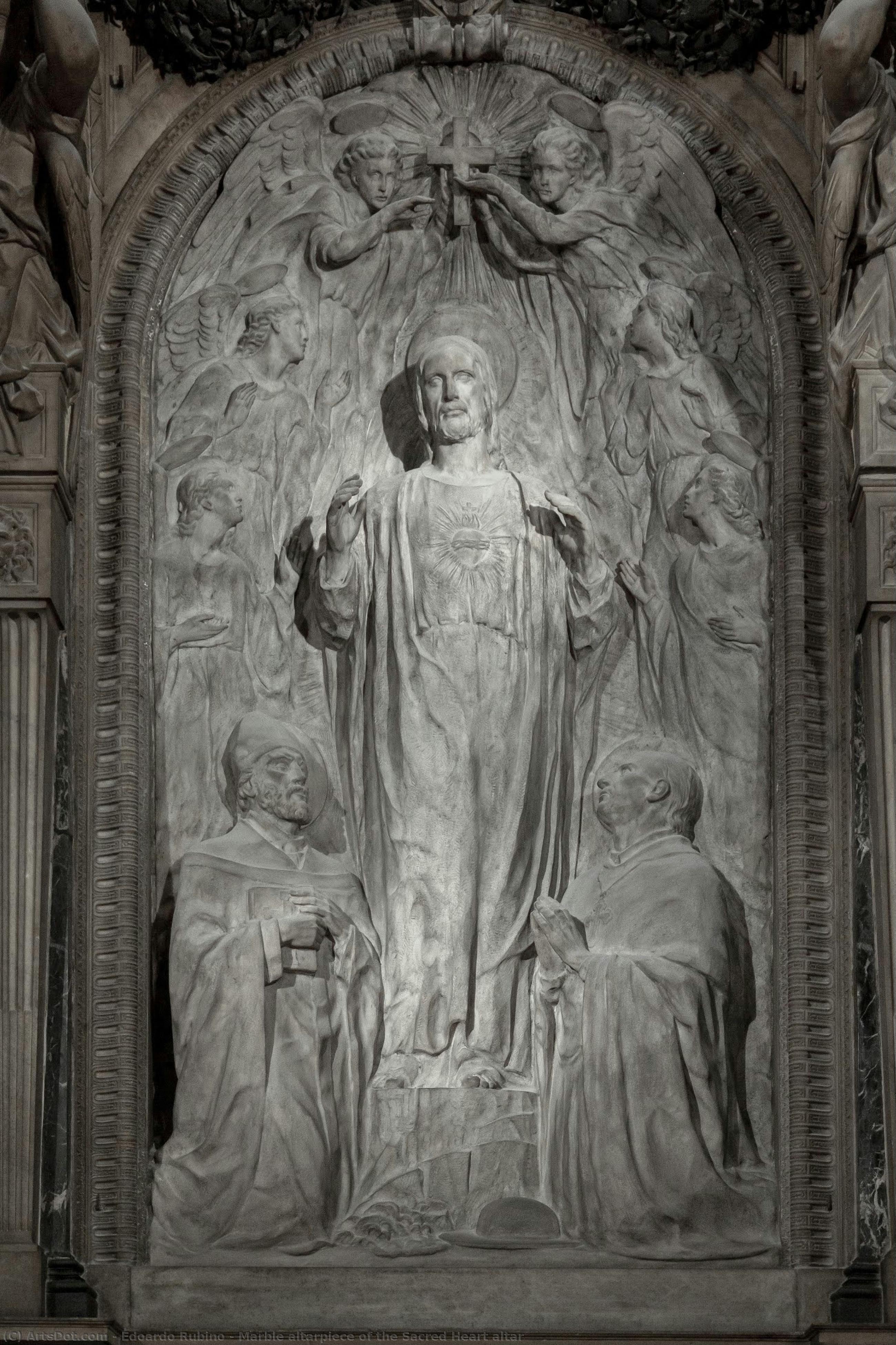
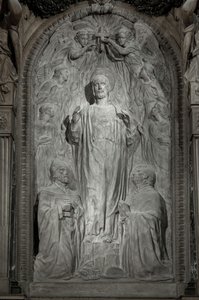
Marble altarpiece of the Sacred Heart altar

 Read More
Giclée / Art Print
Museum-quality giclée or canvas print with fast production and flexible finish options. ( Buy Hand Made Painting Buy Image)




































Pick from our preset sizes that match the artwork's original proportions.

You may enter your own dimensions to fit a specific frame or space. If your selected size does not match the original image's proportions, we will either crop the artwork or extend the image with a mirrored or solid-fill edge. A digital mockup will be sent for your approval before production begins.
Please note that the on-screen preview does not reflect the actual cropping or extension. Only the mockup will accurately show the final composition.
While custom sizes are available, we recommend selecting a dimension from the predefined list to preserve the original proportions.
Worldwide Delivery () in 2 weeks instead of standard 4/5 weeks. (1 September)

Free Worldwide Express Shipping

High-Quality Linen Canvas

Full Shipping Insurance

Customs Tax Refund Guarantee

True Color Matching Guarantee

60-Day Return Policy (Defects Only)

100% Money-Back Guarantee

Bulk Discount Offer
 Glass option is only available in size under 110 CM

Marble altarpiece of the Sacred Heart altar
Giclée / Art Print
Reproduction Size
-


Total Price
$ 63
Related Artworks





Artist Biography
Edoardo Rubino: A Turin Sculptor Bridging Classical Tradition and Spiritual Expression
Edoardo Rubino (1871–1954) stands as a prominent figure in Italian sculpture of the late nineteenth and early twentieth centuries, embodying a remarkable synthesis between classical artistic ideals and profound religious devotion. Born in Turin, Italy—a city that would become inextricably linked to his creative output—Rubino’s journey from academic training to celebrated sculptor reflects the broader cultural landscape of his time. His formative years were spent at the Accademia Albertina in Turin, where he honed his skills under the tutelage of masters such as Giuseppe Borsellini and Luigi Raviolo. In these hallowed halls, he absorbed the rigorous principles of Neoclassical sculpture, a style defined by idealized forms, meticulous detail, and an unwavering commitment to proportion and harmony. This deep-seated grounding in classical tradition profoundly shaped Rubino’s artistic sensibilities, informing his subsequent works with subtle references to Greek and Roman mythology and timeless aesthetics.The Evolution of Form and Emotion
As his career progressed, Rubino’s work began to breathe with a new, more visceral energy, reflecting the burgeoning influence of Auguste Rodin. The palpable exploration of expressive emotion within sculptural form became a hallmark of his oeuvre, allowing him to move beyond mere anatomical perfection toward a more profound psychological depth. While his technical prowess remained rooted in the disciplined methods of his training, he increasingly sought to capture the fleeting nuances of human feeling. This evolution allowed him to master various scales and mediums, from delicate reliefs to monumental public works. His ability to manipulate surfaces—creating textures that catch the light and evoke a sense of living flesh or weathered stone—demonstrated a technical mastery that commanded respect across the Italian art world.A Legacy of Commemoration and Devotion
Rubino’s prolific career spanned decades, producing an impressive array of sculptures commissioned for public spaces across Italy. He possessed a unique ability to craft monumental statues honoring significant historical figures, such as Vittorio Emanuele III and Giuseppe Mazzini, demonstrating a command over scale that could anchor the identity of a city. However, it was perhaps in his more intimate and somber commissions that Rubino's true artistic soul was revealed. His work on tombs and mausoleums cemented his reputation as a sculptor of exceptional sensitivity. These works demanded more than just sculptural skill; they required an profound understanding of grief, remembrance, and the eternal. Through evocative poses and meticulously rendered marble, he transformed funerary monuments into poetic meditations on loss. Beyond the secular, Rubino’s work was deeply intertwined with the spiritual fervor of his era. His engagement with Catholic iconography is evident in many of his most celebrated pieces, where religious symbolism is woven seamlessly into the classical fabric of his compositions. Notable examples include:- The marble altarpiece of the Sacred Heart altar, which showcases his ability to blend sacred themes with exquisite craftsmanship.
- Public monuments that serve as enduring tributes to Italian national identity and historical leadership.
- Intricate medals and reliefs that capture the delicate balance between ornamental beauty and narrative depth.
edoardo rubino
1871 - 1954 , Italy
Quick Facts
- Artistic Movement Or Style: Classical Italian Art
- Date Of Birth: 1871
- Full Name: Edoardo Rubino
- Nationality: Italian
- Notable Artworks: ['Marble altarpiece of the Sacred Heart altar']
- Place Of Birth: Turin, Italy