

 Preview
 Send
Send Share
Share
 Details

 Download
 Similars
 X-Ray
X-Ray Diaporama
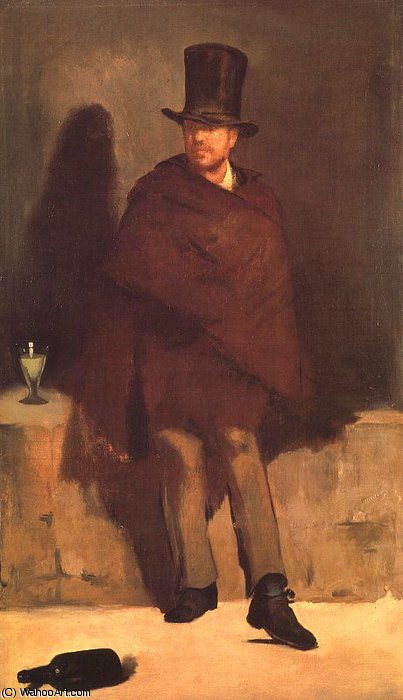
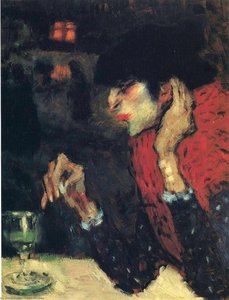
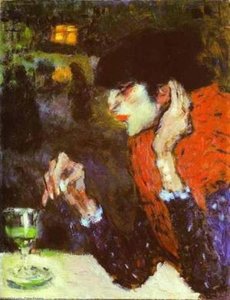
The absinthe drinker, ny carlsberg glyptotek, co


 Read More
Purchase a high-resolution, enhanced digital image, far superior to the online preview.
Each file is meticulously prepared by our in-house specialists using advanced tools and expert manual retouching. We ensure every image has exceptional clarity, precise color accuracy, and fine detail.
The final file is delivered via email within 72 hours, optimized for immediate use in professional, editorial, and print environments. This is the same quality trusted by top-tier design studios, publishers, and galleries.
Digital Image
Download a high-resolution file for personal display, printing, and creative projects. ( Buy Print Buy Hand Made Painting)
Included in Every Digital Image Order
Expert Digital Delivery, Guaranteed
When you choose ArtsDot.com, you're not just getting an image - you're receiving a professionally enhanced digital artwork, crafted with precision and backed by a satisfaction guarantee. Here's everything that comes with your order, automatically:

Fast Email Delivery
Your high-resolution digital image file will be emailed to you within 72 hours of ordering - ready for immediate use.

AI-Enhanced Digital File
Your artwork is professionally optimized using advanced AI tools and manual editing, ensuring maximum detail, clarity, and color accuracy.

Free Lifetime Re-Delivery
Accidentally deleted or lost your file? No worries - we'll resend it to you anytime, free of charge.

No Import Fees - Ever
Enjoy your artwork instantly with zero customs, duties, or delivery fees - digital downloads are always tax-free.

Color Accuracy Guarantee
We ensure your digital image reflects the original colors as closely as possible using professional tools and color management.

60-Day Satisfaction Guarantee
If you're not satisfied with your digital image, we'll revise it or refund 100% within 60 days - no questions asked.

100% Money-Back Guarantee
Not satisfied? Get a full refund within 60 days of receiving your digital file - no questions asked.

Bulk Order Discounts
Buy 3 images, save 10% - Buy 5, save 15% - Buy 10+, save 20%. Great for creative projects, galleries, and agencies.
Collectible Description
The Absinthe Drinker: A Moment of Parisian Modernity
Édouard Manet’s “The Absinthe Drinker,” completed in 1859, stands as a pivotal work within the burgeoning Impressionist movement and a daring challenge to academic conventions. More than just a depiction of a solitary drinker, it encapsulates the anxieties and complexities of late Victorian Paris—a city grappling with rapid industrialization, social change, and shifting moral sensibilities.
- Subject Matter: The painting portrays Jean-Simon Bertholomé, a musician known for his performances in Parisian cafes. He sits alone on a stone bench, illuminated by the dim glow of an urban night, nursing a glass of absinthe – a drink gaining considerable popularity amongst artists and intellectuals.
- Style & Influences: Manet’s style is undeniably rooted in realism, mirroring the influence of Gustave Courbet's unflinching portrayal of everyday life. However, he transcends mere imitation, channeling elements from Diego Velázquez’s masterful use of light and shadow to create an atmosphere of palpable unease. Notably, Baudelaire’s poem “Le Vin des chiffonniers” served as a significant inspiration, capturing the melancholic spirit of marginalized figures.
- Technique: Executed in oil on canvas with meticulous attention to detail—particularly evident in the textures of Bertholomé's clothing and the subtle gradations of color—Manet employed a technique that prioritized capturing fleeting impressions rather than precise representation. This approach aligns perfectly with Impressionism’s core ethos.
- Historical Context: The painting’s rejection by the Paris Salon exemplifies the artistic tensions of its time. Despite facing criticism and ridicule, “The Absinthe Drinker” gained recognition as a masterpiece decades later, cementing Manet's legacy as a trailblazer who paved the way for future generations of artists.
Beyond its aesthetic qualities, "The Absinthe Drinker" resonates with profound symbolic significance. The absinthe itself represents decadence and disillusionment—a symbol of the anxieties surrounding societal morality and the loss of traditional values. Bertholomé’s solitary posture speaks to themes of alienation and introspection, reflecting the psychological landscape of modern urban life.
At ArtsDot, we offer exceptional reproductions that faithfully capture the essence of Manet's vision. Our artisans utilize traditional oil painting techniques to recreate this iconic artwork with breathtaking accuracy—bringing its haunting beauty into your home or studio.
Discover More: The Absinthe Drinker - ArtsDot The Absinthe Drinker - Edouard Manet - Google Arts & Culture The Absinthe Drinker - WikipediaRelated Artworks
Artist Biography
A Parisian Rebel: The Life and Art of Édouard Manet
Édouard Manet, born in 1832 into a comfortable bourgeois family in Paris, was hardly destined for the life of a revolutionary artist. His father, a respected judge, envisioned a secure future for his son in law or perhaps naval service – respectable professions befitting their social standing. Yet, even as a young boy, Manet’s heart belonged to art. At eleven, he began formal drawing lessons, and though briefly apprenticed to the academic painter Thomas Couture, he quickly found Couture's rigid methods stifling. This early resistance foreshadowed a lifetime spent challenging artistic conventions. Manet wasn’t interested in simply replicating the past; he sought to capture the vibrancy – and sometimes the unsettling realities – of modern Parisian life. He frequented the Louvre, not merely to copy Old Masters, but to dissect their techniques, learning from artists like Caravaggio and Velázquez how light and shadow could sculpt form and evoke emotion. However, it was a shift in artistic currents, particularly the rise of Realism championed by Gustave Courbet, that truly ignited Manet’s creative path. Courbet's insistence on depicting everyday life without idealization resonated deeply with Manet, freeing him from the constraints of historical or mythological subjects.Breaking with Tradition: Scandal and Innovation
The 1860s marked a period of intense artistic ferment in Paris, and Manet found himself at the epicenter of it all. The arrival of Japanese prints – *ukiyo-e* – profoundly impacted his aesthetic sensibilities. He was captivated by their flattened perspectives, bold compositions, and striking use of color, elements that would become hallmarks of his own style. This influence, combined with his growing rejection of academic polish, led to works that shocked and scandalized the Parisian art world. Le Déjeuner sur l'herbe (The Luncheon on the Grass), exhibited at the Salon des Refusés in 1863 – an exhibition for works rejected by the official Salon – became a lightning rod for controversy. The painting, depicting a nude woman casually picnicking with two fully clothed men, wasn’t simply about nudity; it was about *how* that nudity was presented. Manet's figures lacked the idealized forms and mythological context of traditional nudes. They were undeniably modern, confronting the viewer with an unsettling directness. The scandal surrounding Le Déjeuner only intensified with his 1865 masterpiece, Olympia. This painting, a deliberate reimagining of Titian’s *Venus of Urbino*, presented a contemporary prostitute staring boldly out at the viewer. The unflinching realism and provocative subject matter were met with widespread condemnation. Critics accused Manet of vulgarity and artistic incompetence, but beneath the outrage lay a recognition that he was fundamentally altering the language of painting.A Bridge to Impressionism: Light, Brushwork, and Modern Life
While Manet never fully embraced the label “Impressionist,” his influence on the movement was undeniable. He shared their rejection of academic conventions and their commitment to capturing the fleeting effects of light and atmosphere. He exhibited alongside Monet, Renoir, Degas, and others at the Impressionists’ independent exhibitions, solidifying his position as a key figure in the avant-garde. Manet's technique evolved towards a looser brushstroke, prioritizing the impression of form over precise detail. He experimented with color, often using stark contrasts to create dramatic effects. Beyond the scandalous nudes, Manet explored a wide range of subjects: portraits – including striking depictions of his wife Suzanne and fellow artist Émile Zola; scenes of Parisian nightlife, such as A Bar at the Folies-Bergère, which masterfully captures the alienation and spectacle of modern urban life; and intimate domestic scenes. He wasn’t merely documenting these subjects; he was interrogating them, questioning societal norms and challenging conventional notions of beauty.Legacy and Lasting Impact
Édouard Manet's untimely death in 1883 from syphilis cut short a career that had already irrevocably changed the course of art history. Though his reputation grew significantly after his passing, his impact was immediately felt by younger artists who recognized him as a liberator. He broke down barriers, challenging traditional notions of subject matter, technique, and artistic purpose.- His emphasis on capturing modern life paved the way for Impressionism and Post-Impressionism.
- His innovative use of brushwork and color influenced generations of painters.
- His willingness to confront uncomfortable truths about society forced viewers to question their own assumptions.
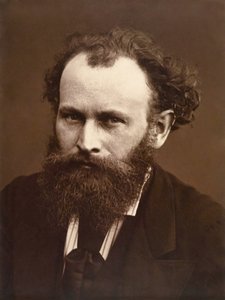
Édouard Manet
1832 - 1883 , France
Quick Facts
- Artistic Movement Or Style: Realism, Impressionism
- Artists Or Movements Influenced By This Artist:
- Claude Monet
- Pierre-Auguste Renoir
- Edgar Degas
- Impressionism
- Artists Who Influenced This Artist:
- Caravaggio
- Diego Velázquez
- Gustave Courbet
- Date Of Birth: January 23, 1832
- Date Of Death: 1883
- Full Name: Édouard Manet
- Nationality: French
- Notable Artworks:
- Le Déjeuner sur l'herbe
- Olympia
- A Bar at the Folies-Bergère
- Place Of Birth: Paris, France

