

 Preview
 Send
Send Share
Share
 Details

 Download
 Similars
 X-Ray
X-Ray Diaporama
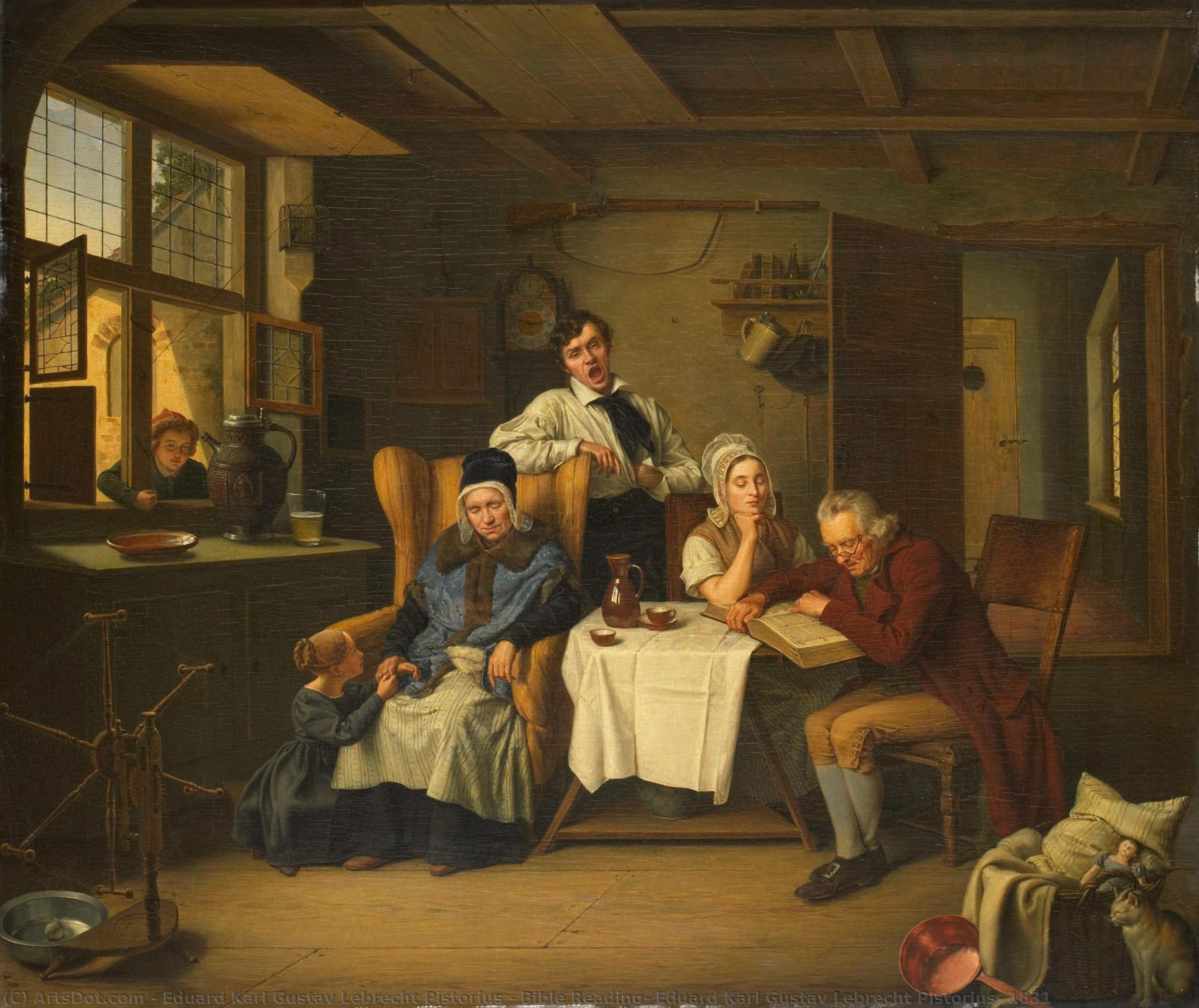
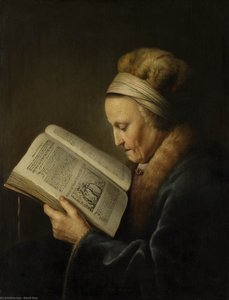
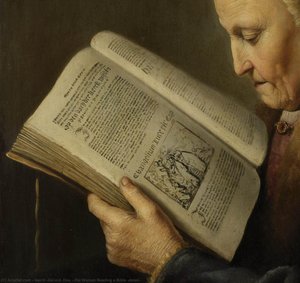
Bible Reading, Eduard Karl Gustav Lebrecht Pistorius, 1831
 Genre Painting
 1831
1831 56.0 x 66.0 cm
 Read More
Purchase a high-resolution, enhanced digital image, far superior to the online preview.
Each file is meticulously prepared by our in-house specialists using advanced tools and expert manual retouching. We ensure every image has exceptional clarity, precise color accuracy, and fine detail.
The final file is delivered via email within 72 hours, optimized for immediate use in professional, editorial, and print environments. This is the same quality trusted by top-tier design studios, publishers, and galleries.
Digital Image
Download a high-resolution file for personal display, printing, and creative projects. ( Buy Print Buy Hand Made Painting)
Included in Every Digital Image Order
Expert Digital Delivery, Guaranteed
When you choose ArtsDot.com, you're not just getting an image - you're receiving a professionally enhanced digital artwork, crafted with precision and backed by a satisfaction guarantee. Here's everything that comes with your order, automatically:

Fast Email Delivery
Your high-resolution digital image file will be emailed to you within 72 hours of ordering - ready for immediate use.

AI-Enhanced Digital File
Your artwork is professionally optimized using advanced AI tools and manual editing, ensuring maximum detail, clarity, and color accuracy.

Free Lifetime Re-Delivery
Accidentally deleted or lost your file? No worries - we'll resend it to you anytime, free of charge.

No Import Fees - Ever
Enjoy your artwork instantly with zero customs, duties, or delivery fees - digital downloads are always tax-free.

Color Accuracy Guarantee
We ensure your digital image reflects the original colors as closely as possible using professional tools and color management.

60-Day Satisfaction Guarantee
If you're not satisfied with your digital image, we'll revise it or refund 100% within 60 days - no questions asked.

100% Money-Back Guarantee
Not satisfied? Get a full refund within 60 days of receiving your digital file - no questions asked.

Bulk Order Discounts
Buy 3 images, save 10% - Buy 5, save 15% - Buy 10+, save 20%. Great for creative projects, galleries, and agencies.
Related Artworks

Artist Biography
Eduard Karl Gustav Lebrecht Pistorius: A Window into 19th-Century German Life
Eduard Karl Gustav Lebrecht Pistorius, born in Berlin on February 28th, 1796, was a pivotal figure in 19th-century German art. His career spanned several decades, during which he meticulously documented the everyday lives of his countrymen – scenes of rural life, tavern gatherings, and domestic interiors – offering viewers an intimate glimpse into a rapidly changing society. Pistorius’s work is characterized by its remarkable realism, attention to detail, and a subtle yet powerful ability to capture the spirit of his subjects. He began his artistic journey as a pupil of the portraitist Willich, receiving a solid foundation in traditional techniques before forging his own distinctive style.Early Influences and Artistic Development
Pistorius’s artistic development was significantly shaped by the artistic currents of his time. While trained in classical methods, he drew considerable inspiration from the works of Brueghel the Elder, particularly his depictions of peasant life and festive gatherings. This influence is readily apparent in many of Pistorius's most celebrated paintings, such as “Figures at the Tavern Door” and “Peasant tavern with card players,” where he masterfully recreates scenes of rural merriment with a keen eye for detail and a subtle sense of humor. He also studied Sans-Souci, further refining his skills. His early works demonstrate a commitment to capturing not just appearances but also the social dynamics and emotional nuances within these scenes.A Master of Genre Painting
Pistorius is primarily recognized as a master of genre painting – a genre that focuses on depicting ordinary people in everyday situations. He wasn’t interested in grand historical narratives or mythological subjects; instead, he chose to portray the lives of farmers, laborers, and tavern patrons, offering viewers an unfiltered view of German society during his era. His paintings are remarkably detailed, meticulously rendering fabrics, facial expressions, and the surrounding environment. He employed a technique that combined realism with a touch of theatricality, creating scenes that felt both familiar and slightly heightened. The use of light and shadow further enhanced the sense of depth and atmosphere in his works.Notable Works and Techniques
Several paintings stand out as particularly significant examples of Pistorius’s oeuvre. “Bible Reading, Eduard Karl Gustav Lebrecht Pistorius, 1831,” a poignant scene depicting a family gathered around a Bible, exemplifies his ability to capture domestic intimacy and moral values. “The Cooper's Workshop” showcases his skill in portraying the physicality of labor and the details of a craft. His work also includes aquatint prints, demonstrating versatility. Pistorius’s meticulous approach involved careful observation, sketching from life, and a deep understanding of color theory. He was known for his ability to create a sense of immediacy and authenticity in his paintings, drawing viewers into the scenes he depicted.Legacy and Historical Significance
Eduard Karl Gustav Lebrecht Pistorius died in Karlsbad on August 20th, 1862. His work holds considerable historical significance as a valuable record of 19th-century German life. He provided a visual chronicle of social customs, economic activities, and cultural values during a period of significant transformation. His paintings offer insights into the lives of ordinary people – often overlooked by history – and contribute to our understanding of German society at the time. Today, his works are housed in museums across Europe, continuing to captivate audiences with their realism, detail, and evocative portrayal of everyday life. Pistorius’s legacy lies not only in his artistic skill but also in his commitment to documenting and celebrating the lives of ordinary Germans.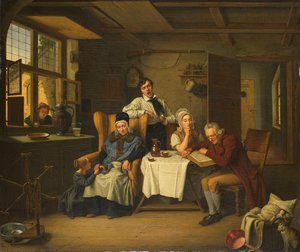
eduard karl gustav lebrecht pistorius
1796 - 1862 , Germany
Quick Facts
- Artistic Movement Or Style: Genre & Portraiture
- Artists Who Influenced This Artist: ['Willich']
- Date Of Birth: February 28, 1796
- Date Of Death: 1862
- Full Name: Eduard Karl Gustav Lebrecht Pistorius
- Nationality: German
- Notable Artworks:
- Bible Reading (1831)
- Figures at tavern door
- Peasant tavern card players
- Place Of Birth: Berlin, Germany

