

 Preview
 Send
Send Share
Share
 Details

 Download
 Similars
 X-Ray
X-Ray Diaporama
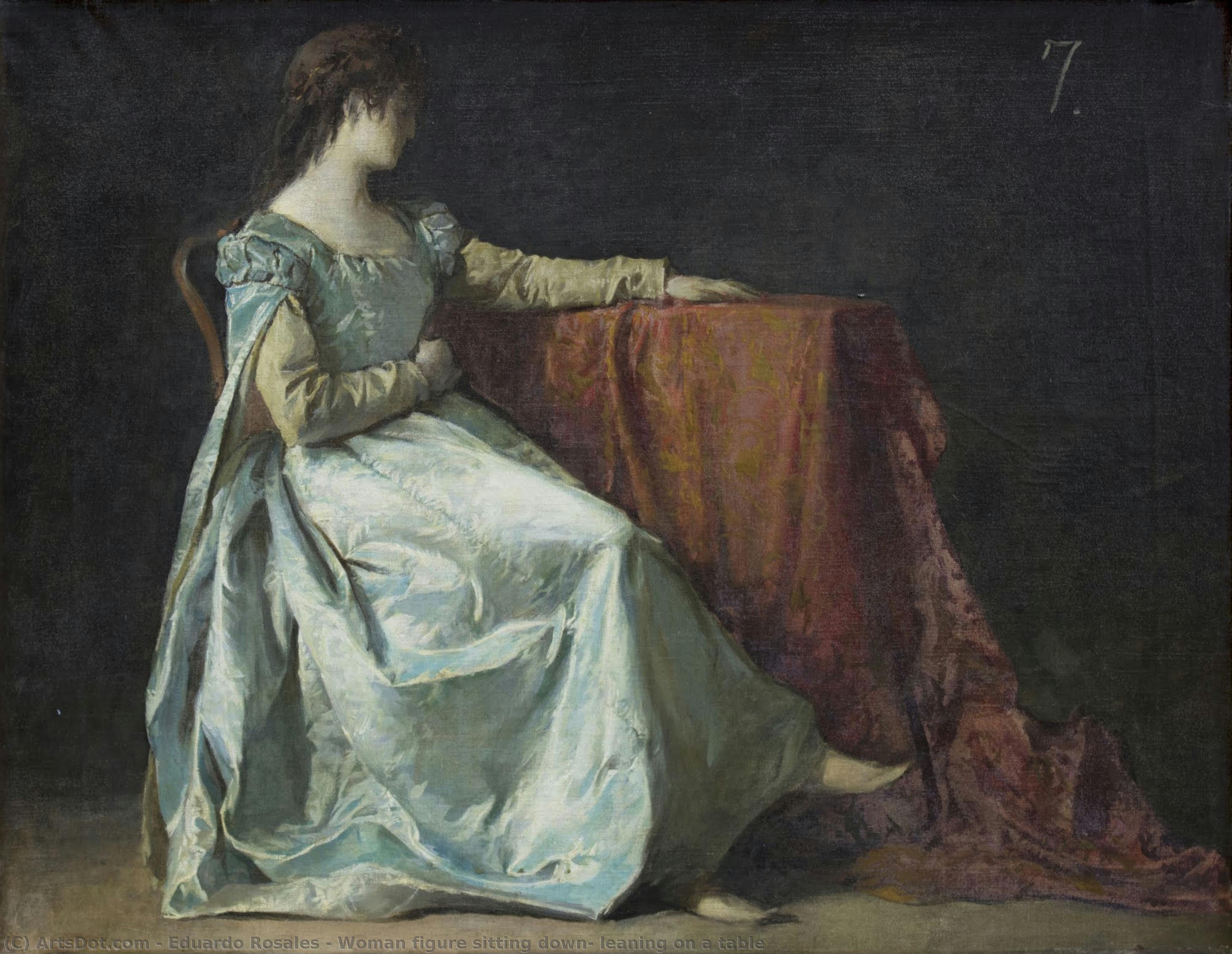
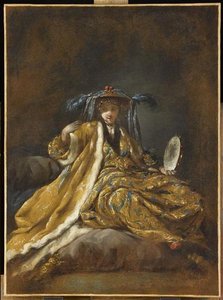
Woman figure sitting down, leaning on a table


 Read More
Purchase a high-resolution, enhanced digital image, far superior to the online preview.
Each file is meticulously prepared by our in-house specialists using advanced tools and expert manual retouching. We ensure every image has exceptional clarity, precise color accuracy, and fine detail.
The final file is delivered via email within 72 hours, optimized for immediate use in professional, editorial, and print environments. This is the same quality trusted by top-tier design studios, publishers, and galleries.
Digital Image
Download a high-resolution file for personal display, printing, and creative projects. ( Buy Print Buy Hand Made Painting)
Included in Every Digital Image Order
Expert Digital Delivery, Guaranteed
When you choose ArtsDot.com, you're not just getting an image - you're receiving a professionally enhanced digital artwork, crafted with precision and backed by a satisfaction guarantee. Here's everything that comes with your order, automatically:

Fast Email Delivery
Your high-resolution digital image file will be emailed to you within 72 hours of ordering - ready for immediate use.

AI-Enhanced Digital File
Your artwork is professionally optimized using advanced AI tools and manual editing, ensuring maximum detail, clarity, and color accuracy.

Free Lifetime Re-Delivery
Accidentally deleted or lost your file? No worries - we'll resend it to you anytime, free of charge.

No Import Fees - Ever
Enjoy your artwork instantly with zero customs, duties, or delivery fees - digital downloads are always tax-free.

Color Accuracy Guarantee
We ensure your digital image reflects the original colors as closely as possible using professional tools and color management.

60-Day Satisfaction Guarantee
If you're not satisfied with your digital image, we'll revise it or refund 100% within 60 days - no questions asked.

100% Money-Back Guarantee
Not satisfied? Get a full refund within 60 days of receiving your digital file - no questions asked.

Bulk Order Discounts
Buy 3 images, save 10% - Buy 5, save 15% - Buy 10+, save 20%. Great for creative projects, galleries, and agencies.
Related Artworks


Artist Biography
Winslow Homer: A Master of American Light and Emotion
Winslow Homer (February 24, 1836 – September 29, 1910) stands as a towering figure in the history of American art. More than simply a painter, he was a chronicler of his time, a keen observer of human experience, and a revolutionary innovator who bridged the gap between traditional academic painting and a more direct, emotionally resonant style. Born into a New England family steeped in artistic tradition – his mother a gifted watercolorist – Homer’s journey to becoming one of America's greatest artists was marked by apprenticeship, commercial illustration, and ultimately, a profound dedication to capturing the essence of American life through his art.
Homer’s early years were shaped by a childhood spent largely in rural Cambridge, Massachusetts. This idyllic setting instilled in him a deep appreciation for nature and a sensitivity to light – qualities that would become defining characteristics of his work. His formal artistic training began with his mother, who nurtured his talent from a young age. However, the realities of a financially unstable family led to an apprenticeship at the lithographic firm of John Bufford in Boston, a demanding environment that initially involved repetitive tasks and limited creative freedom. This early experience, though challenging, instilled in him a work ethic and a keen eye for detail – skills he would later harness with remarkable power.
The Rise of a Painter: From Illustration to Artistic Expression
Homer’s transition from commercial illustration to painting was gradual but deliberate. He began exhibiting his paintings at the National Academy of Design in New York City, steadily building a reputation for his evocative depictions of coastal scenes and everyday life. The American Civil War provided a pivotal moment in his artistic development. Unlike many of his contemporaries who focused on grand battle scenes, Homer chose to document the realities of war through intimate portraits of soldiers, camp life, and the emotional toll it took on individuals. His series of paintings depicting the aftermath of the war – *Prisoners from the Front* (1866) being a particularly poignant example – demonstrated a remarkable empathy and a willingness to confront difficult subjects with honesty and sensitivity.
Following the war, Homer’s artistic focus shifted towards capturing the beauty and drama of the American coastline. He embarked on numerous “sea painting” excursions, traveling extensively along the Atlantic coast from Maine to Florida. These journeys were not merely recreational; they were deeply immersive experiences that fueled his artistic vision. He meticulously observed the changing light, the shifting moods of the sea, and the lives of the people who depended on it for their livelihood – fishermen, sailors, and coastal communities. His paintings during this period are characterized by a remarkable sense of immediacy and spontaneity, achieved through rapid brushwork and a direct engagement with nature.
Technique and Style: A Synthesis of Observation and Innovation
Homer’s artistic style was remarkably complex and evolved significantly throughout his career. Initially influenced by the academic traditions of the National Academy, he gradually developed a more personal and expressive approach. He mastered the techniques of both sketching and watercolor, seamlessly blending these mediums to create works that were simultaneously detailed and luminous. His use of color was particularly striking – he employed a vibrant palette, often juxtaposing complementary hues to heighten visual impact.
A key element of Homer’s style was his innovative approach to capturing light. He studied the effects of sunlight on water and landscape with an almost scientific precision, meticulously analyzing how light transformed surfaces and created atmosphere. He also drew inspiration from Japanese art, particularly its emphasis on flattened perspectives, bold outlines, and a focus on capturing the essence of a scene rather than rendering it in meticulous detail. This influence is evident in his later works, such as *The Oxbow* (1872), a groundbreaking painting that exemplifies his synthesis of observation, technique, and artistic vision.
Themes and Legacy: A Reflection of American Identity
Homer’s art explored a wide range of themes – the beauty of nature, the struggles of ordinary people, the complexities of human relationships, and the enduring power of memory. He was particularly interested in depicting women—often working-class women—engaged in everyday activities, capturing their strength, resilience, and dignity. His paintings of Maine fishermen, for example, are not simply depictions of manual labor; they are portraits of a proud and independent people deeply connected to the sea.
Winslow Homer’s legacy is immense. He played a crucial role in establishing American painting as a distinct and respected art form. His innovative techniques, his emotionally resonant imagery, and his unflinching portrayal of American life have had a profound influence on generations of artists. Today, his paintings are celebrated for their beauty, their power, and their enduring relevance – testaments to the vision and talent of one of America’s greatest artistic figures.
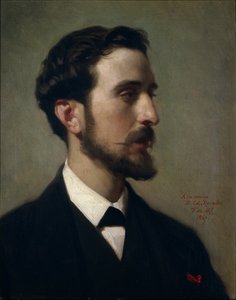
eduardo rosales
1836 - 1873
Quick Facts
- Artistic Movement Or Style: Realism, American Realism
- Artists Or Movements Influenced By This Artist:
- French Impressionism
- Japanese art
- Artists Who Influenced This Artist: ['His mother, Henrietta Maria Homer']
- Date Of Birth: February 24, 1836
- Date Of Death: September 29, 1910
- Full Name: Winslow Homer
- Nationality: American
- Notable Artworks:
- Snap the Whip
- The Veteran in a New Field
- Breezing Up (A Fair Wind)
- Homer and his Muse
- Place Of Birth: Boston, Massachusetts

