 Preview
 Send
Send Share
Share
 Details

 Download
 Similars
 X-Ray
X-Ray Diaporama
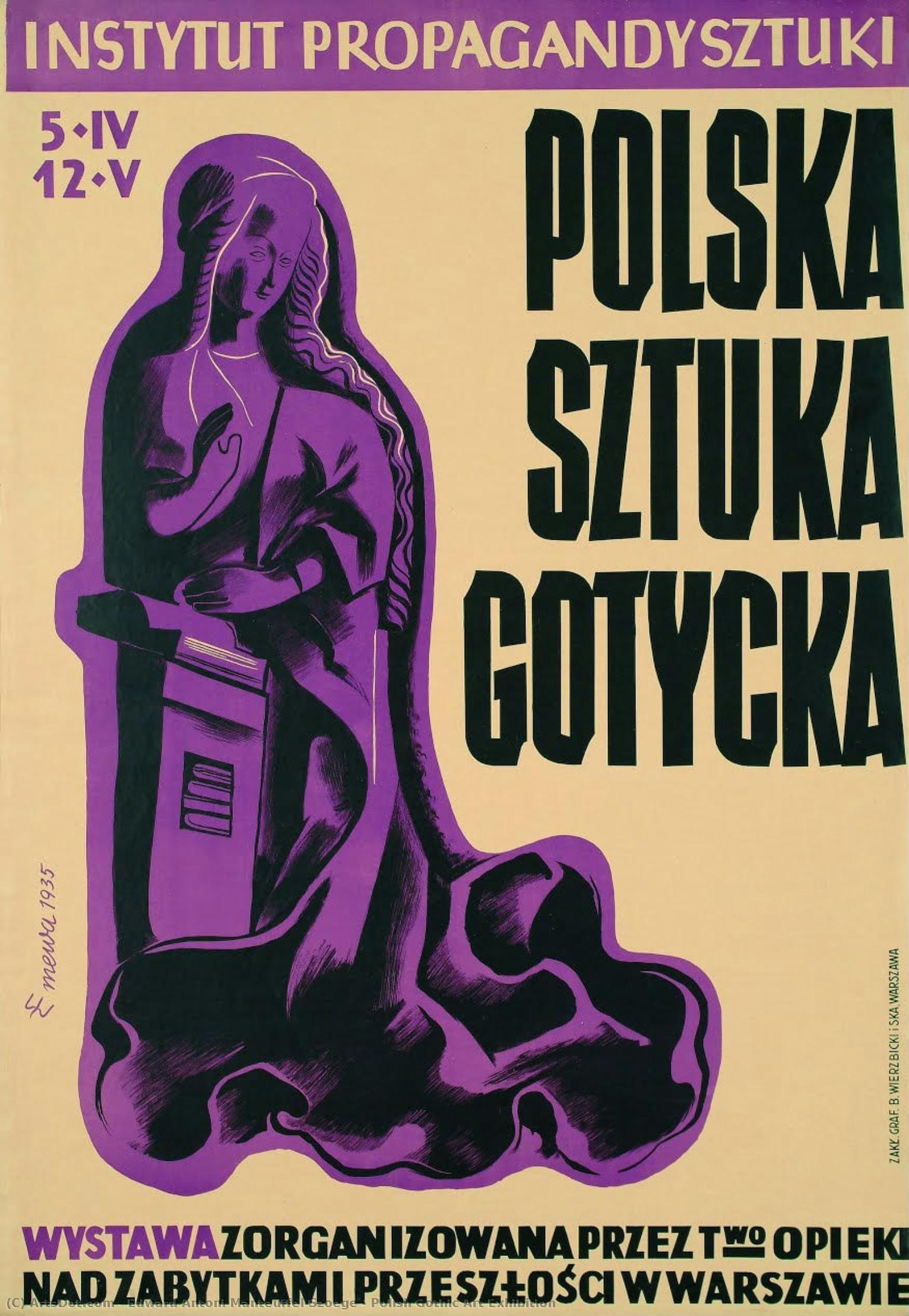
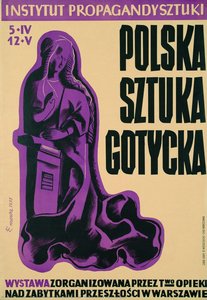
Polish Gothic Art Exhibition

 Read More
Hand Made Oil Reproduction
Hand-painted oil on canvas in your size and frame, made to order by our artists. ( Buy Print Buy Image)




































Pick from our preset sizes that match the artwork's original proportions.

You may enter your own dimensions to fit a specific frame or space. If your selected size does not match the original image's proportions, we will either crop the artwork or extend the painting with additional hand-painted elements. A digital mockup will be sent for your approval before production begins.
Please note that the on-screen preview does not reflect the actual cropping or extension. Only the mockup will accurately show the final composition.
While custom sizes are available, we recommend selecting a dimension from the predefined list to preserve the original proportions.
After order, ArtsDot.com team will email client for instructions and provide a mockup preview
Worldwide Delivery () in 3/4 weeks instead of standard 5 weeks. (25 August). No compromise on quality.

Free Worldwide Express Shipping

High-Quality Linen Canvas

Full Shipping Insurance

Customs Tax Refund Guarantee

True Color Matching Guarantee

60-Day Return Policy (Defects Only)

100% Money-Back Guarantee

Bulk Discount Offer
 Glass option is only available in size under 110 CM

Polish Gothic Art Exhibition
Reproduction Medium
Reproduction Size
-


Total Price
$ 263
Artwork Description
Related Artworks


Artist Biography
A Life Cut Short: The Tragic Story of Edward Antoni Manteuffel-Szoege
Edward Antoni Manteuffel-Szoege, a name resonating with both artistic promise and profound loss, represents a poignant chapter in the history of Polish art. Born on July 5th, 1908, in Rzeżyca (now Rēzekne, Latvia), his life was tragically curtailed by the brutal realities of World War II. Though his career spanned only a brief period, Manteuffel-Szoege left an indelible mark as a gifted painter and graphic artist deeply rooted in the Gothic tradition, whose story is inextricably linked to the tumultuous fate of Poland during the 20th century.
Early Life and Artistic Formation
The origins of Edward Antoni Manteuffel-Szoege are steeped in history. His family belonged to an old and influential German Pomeranian noble lineage, the Manteuffels, who had also established roots in Brandenburg, Prussia, Silesia, Mecklenburg, Poland, the Baltic states, and Russia. This complex heritage shaped his upbringing, blending Polish cultural identity with a sense of aristocratic tradition. Born within the Russian Empire, the family relocated to Warsaw following Poland’s independence in 1918, immersing young Edward in the burgeoning artistic and national revival of the Second Polish Republic. He pursued formal training at the Academy of Fine Arts in Warsaw, where he honed his skills and developed a distinctive style.
Gothic Influences and Artistic Style
Manteuffel-Szoege’s art is characterized by a profound fascination with Gothic aesthetics. His works often evoke the somber beauty, intricate detail, and spiritual intensity of medieval cathedrals and religious iconography. While details about his specific techniques remain scarce due to the loss of many artworks, it's clear he possessed a mastery of both painting and graphic arts. He contributed significantly to magazine covers, book illustrations, and exhibition decorations, demonstrating versatility and an ability to adapt his style to various mediums. His participation in the art competitions at the 1932 Summer Olympics in Los Angeles—a testament to his rising recognition—further solidified his position within the Polish artistic community.
A Brief but Notable Career
Before the outbreak of World War II, Manteuffel-Szoege was actively involved with several artists' associations. He married Wanda Zawidzka, a graphic and poster artist, forming a partnership that reflected their shared passion for art. His family included other intellectuals: his brother Tadeusz was a medieval historian, while Leon became a professor of surgery. This environment fostered intellectual curiosity and artistic expression. However, this promising trajectory was brutally interrupted by the Soviet invasion of Poland in 1939.
Tragic End and Lasting Legacy
Following the invasion, Manteuffel-Szoege was arrested by the NKVD, the Soviet secret police. He met a tragic fate, murdered by the Soviets in Kharkiv in April or May of 1940—a victim of the widespread purges that targeted Polish intellectuals and officers. His death represents one of the many untold stories of artists lost during wartime. Though his life was tragically short, Edward Antoni Manteuffel-Szoege’s artistic contributions serve as a reminder of the vibrant cultural landscape Poland possessed before the war, and the devastating impact of political turmoil on individual lives and creative expression. His legacy endures through surviving artworks and the poignant narrative of a talented artist whose potential was tragically extinguished.
edward antoni manteuffel-szoege
1908 - 1940 , Poland
Quick Facts
- Artistic Movement Or Style: Gothic Art
- Date Of Birth: July 5, 1908
- Date Of Death: 1940
- Full Name: Edward Antoni Manteuffel-Szoege
- Nationality: Polish
- Notable Artworks: ['Polish Gothic Art Exhibition']
- Place Of Birth: Rzeżyca, Poland