 Preview
 Send
Send Share
Share
 Details

 Download
 Similars
 X-Ray
X-Ray Diaporama
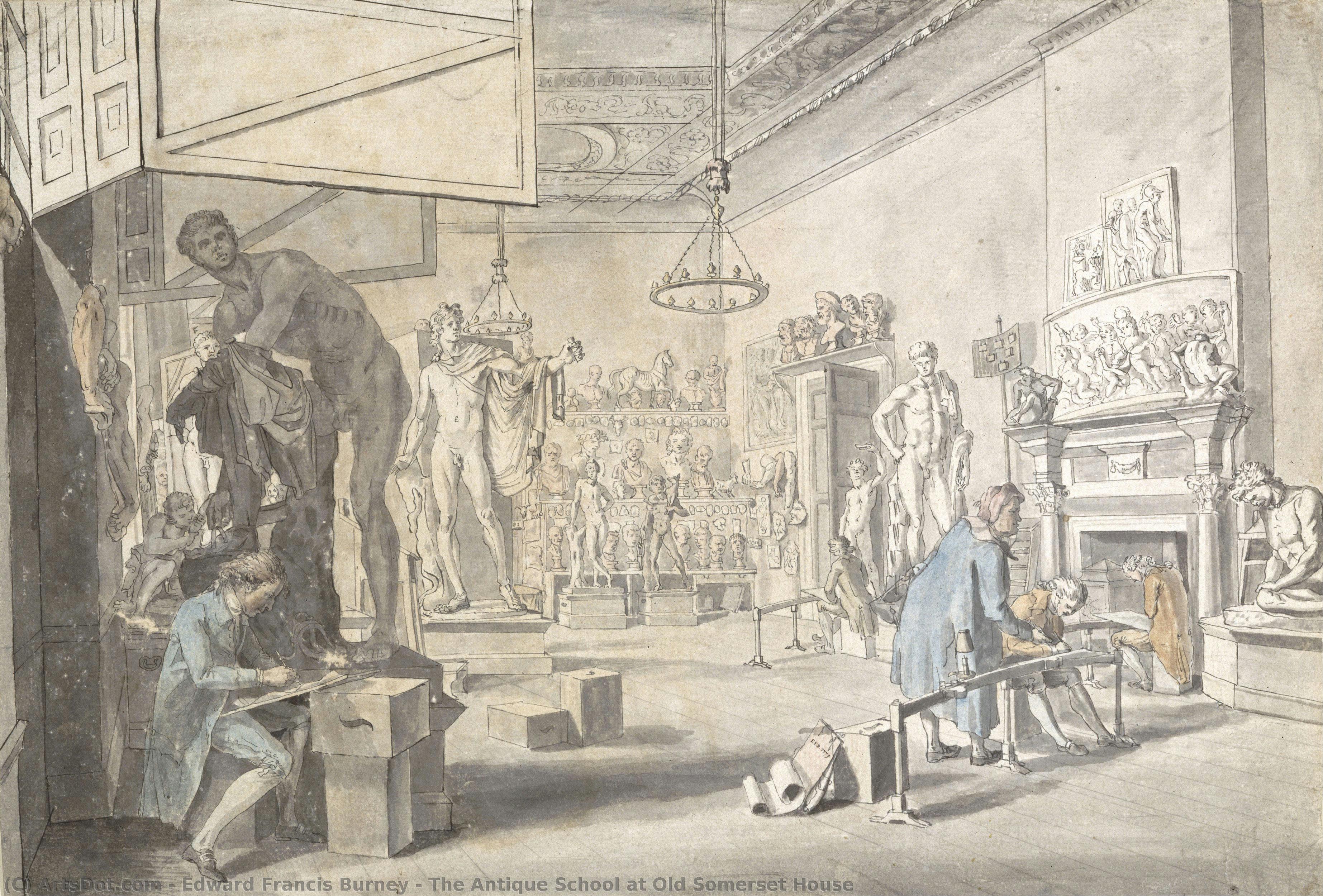
The Antique School at Old Somerset House


 Read More
Hand Made Oil Reproduction
Hand-painted oil on canvas in your size and frame, made to order by our artists. ( Buy Print Buy Image)




































Pick from our preset sizes that match the artwork's original proportions.

You may enter your own dimensions to fit a specific frame or space. If your selected size does not match the original image's proportions, we will either crop the artwork or extend the painting with additional hand-painted elements. A digital mockup will be sent for your approval before production begins.
Please note that the on-screen preview does not reflect the actual cropping or extension. Only the mockup will accurately show the final composition.
While custom sizes are available, we recommend selecting a dimension from the predefined list to preserve the original proportions.
After order, ArtsDot.com team will email client for instructions and provide a mockup preview
Worldwide Delivery () in 3/4 weeks instead of standard 5 weeks. (24 August). No compromise on quality.

Free Worldwide Express Shipping

High-Quality Linen Canvas

Full Shipping Insurance

Customs Tax Refund Guarantee

True Color Matching Guarantee

60-Day Return Policy (Defects Only)

100% Money-Back Guarantee

Bulk Discount Offer
 Glass option is only available in size under 110 CM

The Antique School at Old Somerset House
Reproduction Medium
Reproduction Size
-


Total Price
$ 263
Artwork Description
A Window into the Eighteenth-Century Academy
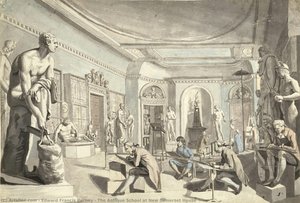
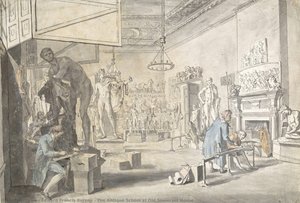
In the delicate, monochromatic strokes of Edward Francis Burney’s The Antique School at Old Somerset House, we are transported back to the year 1779, stepping into the hallowed, bustling halls of the Royal Academy. This exquisite drawing serves as more than a mere depiction of a classroom; it is a profound historical document that captures the very heartbeat of artistic formation in Georgian England. As we gaze upon the scene, we find ourselves amidst a gathering of aspiring talents, their figures arranged in a composition that breathes with the quiet intensity of focused study. The atmosphere is thick with the scent of graphite and the silent weight of tradition, as students sit perched on benches, their eyes fixed upon the plaster casts of antiquity that surround them.
Burney masterfully orchestrates a scene of scholarly devotion. At the heart of this narrative is the relationship between mentor and pupil. A central figure, distinguished by a blue coat, leans forward to offer guidance—a moment of pedagogical intimacy that underscores the transmission of knowledge from one generation to the next. The room itself, Old Somerset House, feels crowded yet organized, packed with the silent, marble-like presence of legendary sculptures such as the Apollo Belvedere. Through his skillful draughtsmanship, Burney captures not just the physical space, but the intellectual rigor required of an artist during this era, where years were spent mastering the nuances of light and shadow on stone before ever touching a live model.
The Art of Observation and Technical Mastery
Technically, the work is a triumph of tonal control and line work. Though rendered in a limited palette, the drawing achieves a remarkable sense of depth and texture. The artist utilizes subtle gradations to differentiate between the soft fabric of the students' clothing and the cold, hard surfaces of the classical casts. This interplay of textures creates a rhythmic visual flow that guides the viewer’s eye through the crowded room, from the seated scholars in the foreground to the towering statues that loom in the background. The precision of the linework reflects the very discipline being taught within the school itself; every stroke serves as a testament to the importance of accuracy and observation.
For the discerning collector or interior designer, this piece offers a sophisticated layer of intellectual depth to any curated space. It is an artwork that invites contemplation, perfect for a library, a study, or a formal gallery setting where themes of heritage, education, and classical beauty can be celebrated. The monochromatic elegance of the drawing ensures it integrates seamlessly into various decor styles, from traditional Neoclassical to contemporary minimalist, providing a timeless focal point that sparks conversation about the origins of Western artistic excellence.
A Legacy of Classical Inspiration
Beyond its technical merits, The Antique School at Old Somerset House carries a profound emotional resonance. There is a certain nostalgia in witnessing this vanished world—a time when the pursuit of beauty was a communal, disciplined endeavor. The presence of legendary figures like Leonardo da Vinci, referenced within the room's collection, connects the students of 1779 to the much older lineage of Renaissance masters. This sense of continuity creates an emotional bridge between the past and the present, reminding us that the quest for perfection is a perennial human impulse.
Owning a high-quality reproduction of this work allows one to preserve this moment of academic sanctity. It serves as a constant reminder of the value of patience, the beauty of meticulous study, and the enduring power of the classical tradition. Whether used to anchor a room's design or to serve as a window into the soul of art history, Burney’s masterpiece remains an evocative tribute to the foundational moments of artistic identity.
Related Artworks
Artist Biography
The Virtuoso of the Line: The Life and Legacy of Edward Francis Burney
In the bustling, intellectually charged atmosphere of late eighteenth-century London, few artists captured the quiet intensity of academic devotion as exquisitely as Edward Francis Burnedy. Born in Worcester in 1760, Burney emerged from a lineage deeply embedded in the cultural fabric of England. As the son of Richard Burney and the brother of the renowned music historian Charles Rousseau Burney, his upbringing was steeped in the pursuit of classical excellence. While history often remembers the grand, sweeping canvases of the era, Burney found his true calling in the delicate, precise world of draughtsmanship and the intimate nuances of book illustration, carving out a niche that celebrated the meticulous observation of detail.
Burney’s artistic journey was inextricably linked to the Royal Academy, an institution that served as both his classroom and his inspiration. His works often act as profound historical windows into this era of Georgian England. In masterpieces such as The Antique School at Old Somerset House, we are not merely looking at a drawing of a classroom; we are transported to the very heartbeat of artistic formation. Through his masterful use of monochromatic strokes and subtle tonal gradations, Burney captured the scholarly fervor of aspiring talents gathered amidst the plaster casts of antiquity. He possessed a rare ability to render the weight of tradition—the silent, marble-like presence of legendary sculptures like the Apollo Belvedere—alongside the soft, human textures of students engaged in focused study.
Technical Mastery and the Art of Observation
The brilliance of Burney’s technique lies in his profound command over light and shadow, a skill that allowed him to breathe life into even the most restrained palettes. He was a virtuoso draughtsman who understood that true depth is achieved through the interplay of texture and light. Whether working with pen and brown ink or utilizing gray washes to create atmospheric depth, Burney’s hand was guided by an unwavering commitment to accuracy and emotion. His ability to differentiate between the cold, hard surfaces of classical casts and the soft, flowing fabrics of contemporary attire demonstrates a level of technical sophistication that commanded respect from his peers.
Beyond the mere replication of form, Burney’s work is imbued with a sense of narrative intimacy. He had a particular talent for capturing pedagogical moments—the subtle lean of a mentor offering guidance to a pupil, or the quiet, concentrated gaze of a student lost in thought. This focus on the human element within the academic setting transformed his illustrations from simple records into evocative stories of intellectual growth and the transmission of knowledge across generations.
A Lasting Impression on British Art
Though much of his career was dedicated to the intricate demands of book illustration, Burney’s impact on the landscape of British art remains significant. He stood at the intersection of the Enlightenment's rigorous pursuit of knowledge and the burgeoning Romantic interest in individual expression. His work serves as a vital link to the era of Joshua Reynolds, reflecting the standards of excellence established by the Academy while showcasing the personal, observant style that defined his unique contribution to the medium.
Today, the legacy of Edward Francis Burney lives on through the collections of prestigious institutions like the Tate and the Metropolitan Museum of Art. His drawings remain essential documents for anyone seeking to understand the soul of the eighteenth-century academy. Through his eyes, we continue to witness the luminous atmosphere of a transformative era in London, where the shadows of classical antiquity met the bright, ambitious spirit of a new generation of English artists.
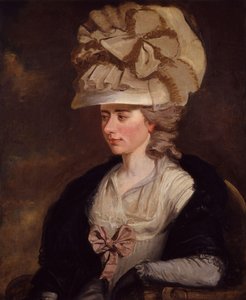
edward francis burney
1760 - 1848 , United Kingdom
Quick Facts
- Artistic Movement Or Style: Rococo
- Artists Or Movements Influenced By This Artist: ['Giovanni Battista Piranesi']
- Artists Who Influenced This Artist:
- Antoine Watteau
- François Boucher
- Date Of Birth: 1732
- Date Of Death: 1806
- Full Name: Jean Honoré Fragonard
- Nationality: French
- Notable Artworks:
- Saint Mary Magdalene
- Coresus and Callirhoë
- The Stolen Kiss
- Place Of Birth: Grasse, France
Related Articles
Neo-Classicism's Greatest Hits: 10 Masterpieces for Your Home |
Journey through Neo-Classicism's finest! Explore 10 iconic masterpieces by David, Ingres & Canova. Discover art history, techniques & timeless beauty – perfect for inspiring your home decor. Find museum-quality reproductions at
Academic Realism's Finest: 10 Masterpieces for Art Lovers & Home Decor
Explore 10 defining Academic Realism masterpieces by Bouguereau, Gérôme & Cabanel. Discover the stories behind these iconic paintings and bring timeless art into your home with museum-quality reproductions from ArtsDot.com. Explore the full collection online!
Academic Classicism: A Revival of Form & Narrative in 19th-Century Art
Explore the revival of Academic Classicism in 19th-century art. Discover key artists like David & Duplessis, the influence of the French Académie, and its lasting legacy. Expert insights for collectors & enthusiasts.
The Enduring Legacy of Classicism: Principles, Evolution & Influence in Western Art
Explore the enduring legacy of Classicism in Western art! Discover its historical context, key principles, iconic masterpieces & lasting influence. Learn about Renaissance and Neoclassical movements with ArtsDot.
Timeless Resonance: Exploring Classic Vibe in Art – A Historical & Aesthetic Analysis
Explore the rich history & enduring aesthetic of Classicism art! Discover key movements, iconic artists like Raphael & David, and its lasting influence on Western art. Deepen your appreciation today.