

 Preview
 Send
Send Share
Share
 Details

 Download
 Similars
 X-Ray
X-Ray Diaporama
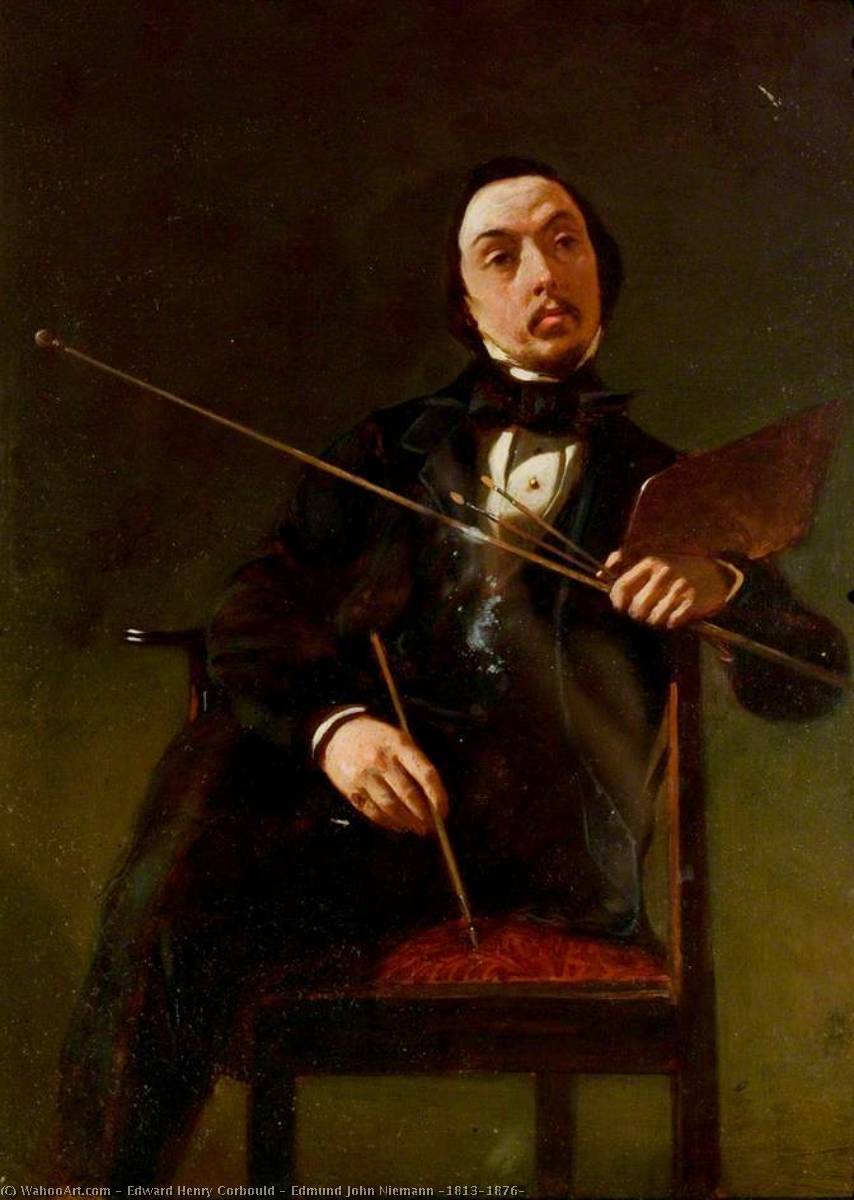
Edmund John Niemann (1813–1876)
 1852
1852 35.0 x 29.0 cm
 Nottingham Castle Museum And Art Gallery
 Read More
Purchase a high-resolution, enhanced digital image, far superior to the online preview.
Each file is meticulously prepared by our in-house specialists using advanced tools and expert manual retouching. We ensure every image has exceptional clarity, precise color accuracy, and fine detail.
The final file is delivered via email within 72 hours, optimized for immediate use in professional, editorial, and print environments. This is the same quality trusted by top-tier design studios, publishers, and galleries.
Digital Image
Download a high-resolution file for personal display, printing, and creative projects. ( Buy Print Buy Hand Made Painting)
Included in Every Digital Image Order
Expert Digital Delivery, Guaranteed
When you choose ArtsDot.com, you're not just getting an image - you're receiving a professionally enhanced digital artwork, crafted with precision and backed by a satisfaction guarantee. Here's everything that comes with your order, automatically:

Fast Email Delivery
Your high-resolution digital image file will be emailed to you within 72 hours of ordering - ready for immediate use.

AI-Enhanced Digital File
Your artwork is professionally optimized using advanced AI tools and manual editing, ensuring maximum detail, clarity, and color accuracy.

Free Lifetime Re-Delivery
Accidentally deleted or lost your file? No worries - we'll resend it to you anytime, free of charge.

No Import Fees - Ever
Enjoy your artwork instantly with zero customs, duties, or delivery fees - digital downloads are always tax-free.

Color Accuracy Guarantee
We ensure your digital image reflects the original colors as closely as possible using professional tools and color management.

60-Day Satisfaction Guarantee
If you're not satisfied with your digital image, we'll revise it or refund 100% within 60 days - no questions asked.

100% Money-Back Guarantee
Not satisfied? Get a full refund within 60 days of receiving your digital file - no questions asked.

Bulk Order Discounts
Buy 3 images, save 10% - Buy 5, save 15% - Buy 10+, save 20%. Great for creative projects, galleries, and agencies.
Related Artworks










Artist Biography
John Singleton Copley: A Bostonian Master of Portraiture and History
Born in 1738 in Boston, Massachusetts, John Singleton Copley’s life was a fascinating blend of colonial ambition, artistic brilliance, and ultimately, transatlantic exile. His early years were shaped by his Anglo-Irish heritage – his father, Richard Copley, arrived from Limerick with a thriving tobacco trade, while his mother, Mary Singleton Copley, hailed from County Clare, Lancashire. This unique lineage instilled in him a sophisticated appreciation for both American practicality and European artistic traditions. From a young age, Copley demonstrated an exceptional talent for drawing, nurtured initially by his mother’s circle and later under the tutelage of Pierre-Narcisse Guérin, one of the most prominent artists in Paris at the time. This formative period laid the groundwork for his future success as a portrait painter, a field he would ultimately dominate with remarkable skill and an increasingly distinctive style.
Early Years and Boston’s Artistic Scene
Copley's early career blossomed in the burgeoning artistic landscape of colonial Boston. He quickly gained recognition for his ability to capture the likenesses of prominent figures – merchants, politicians, and members of the elite. His portraits were not merely reproductions; they were carefully constructed narratives, imbued with a sense of character and social standing. He meticulously studied anatomy and drapery, employing techniques borrowed from both Italian Renaissance masters and contemporary European portraitists. Notably, his work during this period reflected the burgeoning spirit of the American colonies, subtly incorporating elements of colonial life and values into his compositions. His early works, such as portraits of prominent Bostonians, established him as a leading figure in the city’s artistic community.
A Move to London and Expanding Horizons
In 1774, seeking greater opportunities and influenced by the political turmoil brewing in America, Copley embarked on a pivotal decision: he moved to London. This relocation marked a significant shift in his artistic trajectory. While he continued to paint portraits – securing commissions from wealthy British patrons – he also ventured into the realm of history painting, a genre that was largely absent in colonial American art. His historical works, such as *The Massacre at Scio*, demonstrated a willingness to experiment with dramatic composition and bold color palettes, reflecting the influence of Romanticism emerging on the European stage. Copley’s London years were marked by both professional success and personal challenges, including financial difficulties that plagued him throughout his life.
Key Works and Artistic Style
Copley's artistic style evolved considerably over his career. Initially influenced by the Neoclassical tradition, he gradually embraced a more dynamic and expressive approach. His portraits are characterized by their meticulous detail, sharp observation, and subtle psychological insight. He was particularly adept at capturing the nuances of expression – a fleeting smile, a thoughtful gaze – that revealed the inner lives of his subjects. His most celebrated works include *Watson and the Shark*, a dramatic depiction of a heroic rescue that exemplifies his technical skill and narrative storytelling abilities; *Boy with an Apple*, a poignant portrait of a young boy embodying innocence and precociousness; and numerous portraits of prominent figures, including John Adams and George Washington. The influence of Benjamin West is evident in many of his historical paintings, particularly the dramatic lighting and theatrical composition.
Legacy and Historical Significance
John Singleton Copley’s legacy extends far beyond his individual artistic achievements. He played a crucial role in shaping the development of portraiture in both America and England. His meticulous technique, psychological insight, and willingness to experiment with new approaches influenced generations of artists. Though he died in relative obscurity in 1815, burdened by debt, Copley’s work continues to be celebrated for its beauty, technical mastery, and enduring appeal. He remains a pivotal figure in the history of American art, representing a bridge between the classical traditions of Europe and the emerging artistic identity of the newly formed United States. His story is a testament to the ambition, talent, and ultimately, the bittersweet fate of an artist who sought recognition across continents.
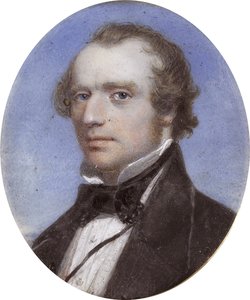
edward henry corbould
1815 - 1905
Quick Facts
- Artistic Movement Or Style: Portrait painting
- Artists Or Movements Influenced By This Artist: ['']
- Artists Who Influenced This Artist:
- Gros
- Delaroche
- Date Of Birth: July 3, 1738
- Date Of Death: September 9, 1815
- Full Name: John Singleton Copley
- Nationality: American
- Notable Artworks:
- Watson and the Shark
- Mary Singleton Copley Pelham
- Place Of Birth: Boston, Massachusetts

