

 Preview
 Send
Send Share
Share
 Details

 Download
 Similars
 X-Ray
X-Ray Diaporama
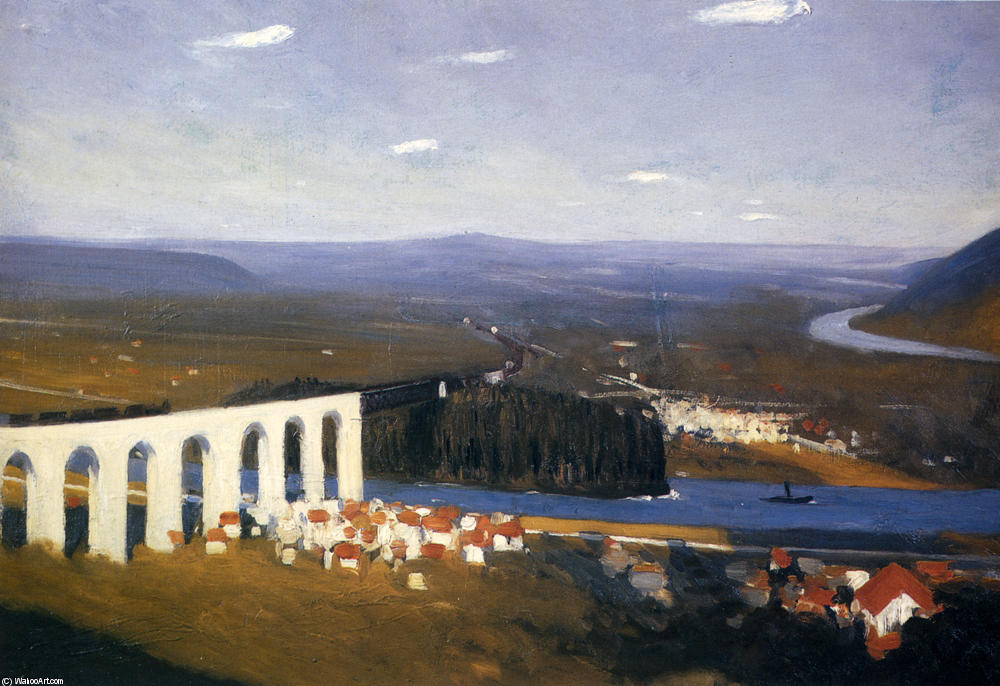
Valley Of The Seine
 Oil On Canvas
- WallArt
- American Realism
 1908
1908- 19th Century
 71.0 x 66.0 cm
 Read More
Purchase a high-resolution, enhanced digital image, far superior to the online preview.
Each file is meticulously prepared by our in-house specialists using advanced tools and expert manual retouching. We ensure every image has exceptional clarity, precise color accuracy, and fine detail.
The final file is delivered via email within 72 hours, optimized for immediate use in professional, editorial, and print environments. This is the same quality trusted by top-tier design studios, publishers, and galleries.
Digital Image
Download a high-resolution file for personal display, printing, and creative projects. ( Buy Print Buy Hand Made Painting)
Included in Every Digital Image Order
Expert Digital Delivery, Guaranteed
When you choose ArtsDot.com, you're not just getting an image - you're receiving a professionally enhanced digital artwork, crafted with precision and backed by a satisfaction guarantee. Here's everything that comes with your order, automatically:

Fast Email Delivery
Your high-resolution digital image file will be emailed to you within 72 hours of ordering - ready for immediate use.

AI-Enhanced Digital File
Your artwork is professionally optimized using advanced AI tools and manual editing, ensuring maximum detail, clarity, and color accuracy.

Free Lifetime Re-Delivery
Accidentally deleted or lost your file? No worries - we'll resend it to you anytime, free of charge.

No Import Fees - Ever
Enjoy your artwork instantly with zero customs, duties, or delivery fees - digital downloads are always tax-free.

Color Accuracy Guarantee
We ensure your digital image reflects the original colors as closely as possible using professional tools and color management.

60-Day Satisfaction Guarantee
If you're not satisfied with your digital image, we'll revise it or refund 100% within 60 days - no questions asked.

100% Money-Back Guarantee
Not satisfied? Get a full refund within 60 days of receiving your digital file - no questions asked.

Bulk Order Discounts
Buy 3 images, save 10% - Buy 5, save 15% - Buy 10+, save 20%. Great for creative projects, galleries, and agencies.
Collectible Description
Edward Hopper’s “Valley Of The Seine”: A Study in American Isolation
Edward Hopper's "Valley Of The Seine," painted in 1908, isn’t merely a landscape; it’s a distilled essence of early 20th-century America – a poignant tableau of solitude and the quiet drama of everyday life. This evocative work, rendered in oil on canvas, captures a deceptively simple scene: a valley bisected by a river, dotted with modest houses, and framed by a distant, almost ethereal sky. Yet, within this apparent tranquility lies a profound sense of detachment, a feeling that resonates deeply with the burgeoning modern consciousness Hopper would later become synonymous with.
The painting’s genesis is fascinating. Hopper, then a young artist grappling with his artistic direction, was encouraged to pursue commercial illustration – a pragmatic suggestion from his parents. However, his true passion lay in capturing the world around him, and this early work demonstrates an acute observational skill and a nascent ability to imbue ordinary subjects with emotional weight. The composition itself is carefully constructed; the bridge, partially obscured by shadow, acts as a visual anchor, drawing the eye into the scene while simultaneously hinting at a sense of decay and forgotten purpose. Notice how Hopper utilizes a subtle palette – muted greens, browns, and blues – to create an atmosphere of subdued melancholy rather than vibrant optimism.
The Language of Light and Shadow
Hopper’s mastery lies not just in his subject matter but also in his masterful manipulation of light and shadow. The painting is bathed in a diffused, almost melancholic light, characteristic of Hopper's style. This isn’t the bright, celebratory illumination of traditional landscapes; instead, it’s a soft, indirect light that casts long shadows and emphasizes the emptiness of the valley. The use of chiaroscuro – the dramatic contrast between light and dark – is particularly effective in highlighting the architectural details of the houses and creating a sense of depth and perspective. The distant airplane, a seemingly incongruous element, serves to further emphasize this feeling of displacement and modernity encroaching upon the rural landscape.
The bridge itself plays a crucial role in this interplay of light. It’s partially obscured, suggesting a decline or abandonment, while simultaneously offering a potential pathway – a symbolic invitation to connection that remains unfulfilled. The river flowing through the valley acts as a mirror, reflecting the muted colors and contributing to the overall sense of stillness and introspection.
Symbolism and the American Psyche
“Valley Of The Seine” is often interpreted as a reflection of the anxieties and uncertainties of early 20th-century America. The isolated houses, the quiet river, and the distant airplane all contribute to a sense of detachment and loneliness – themes that would become central to Hopper’s oeuvre. It speaks to the growing urbanization and industrialization of the nation, leading to a feeling of alienation from nature and community. The painting can be seen as an allegory for the American experience: a search for connection amidst a rapidly changing world.
Furthermore, the inclusion of the airplane is particularly significant. It represents the intrusion of modernity – speed, technology, and a sense of boundless possibility – into a more traditional, slower-paced existence. It’s a subtle yet powerful reminder that progress comes at a cost, often accompanied by a loss of connection to the past.
A Timeless Masterpiece: Reproduction Possibilities
ArtsDot offers meticulously crafted hand-painted reproductions of “Valley Of The Seine,” allowing you to bring this iconic work into your home or office. Our skilled artists replicate Hopper’s delicate brushwork, nuanced color palette, and evocative atmosphere with exceptional precision. Whether you choose a large-scale canvas for a statement piece or a smaller print for a subtle accent, our reproductions capture the essence of this timeless masterpiece. Each reproduction is created using archival quality materials to ensure its longevity and beauty for generations to come. Explore our selection today and experience the profound emotional impact of Edward Hopper’s “Valley Of The Seine.”
Related Artworks
Artist Biography
A Solitude Observed: The Life and Art of Edward Hopper
Edward Hopper, a name inextricably linked to the quietude and subtle melancholy that permeated 20th-century American life, wasn’t simply a painter of scenes; he was a poet of light and shadow, a chronicler of modern isolation. Born in Nyack, New York, in 1882, to middle-class parents of Dutch ancestry, Hopper's early years provided a stable upbringing that nurtured his artistic inclinations. From childhood sketches meticulously dated and signed, it became evident that keen observation and an innate talent for drawing were central to his being. Though initially encouraged towards commercial illustration – a pragmatic suggestion from his parents – Hopper’s ambitions leaned toward fine art, leading him to the New York School of Art where he studied under William Merritt Chase and Robert Henri. These formative years instilled not only technical skill but also an appreciation for realism and a commitment to depicting the world as he saw it—unvarnished and honest. The writings of Ralph Waldo Emerson resonated deeply with Hopper, reinforcing his sense of individualism and acute observation – qualities that would become hallmarks of his artistic vision. Early travels to Paris exposed him to Impressionism, yet Hopper quickly diverged from its fleeting brushstrokes, forging a path uniquely his own.Finding His Voice: Realism and the American Scene
Hopper’s artistic journey wasn't immediate or effortless. He grappled with discovering his distinctive voice, experimenting with various styles before settling into the realism that would define his career. This wasn’t mere replication of reality; it was a distillation of its essence, stripping away extraneous detail to reveal underlying emotional truths. His paintings began to focus on everyday scenes – houses, diners, offices, hotel rooms – imbued with a sense of stillness and often, loneliness. He possessed an extraordinary ability to capture the psychological states of his subjects, hinting at narratives without explicitly stating them. The precise rendering of light and shadow became crucial, not merely as descriptive elements but as emotional cues, creating atmospheres that were both captivating and unsettling. House by the Railroad (1925), an early masterpiece, exemplifies this approach—a seemingly simple composition radiating a profound sense of isolation and mystery. Hopper’s printmaking, often overlooked, ran parallel to his painting, sharing similar themes and stylistic qualities, demonstrating his mastery across mediums. He wasn't interested in grand historical narratives or allegorical symbolism; he focused on the mundane, elevating it through careful observation and emotional resonance.Iconic Visions: Nighthawks and Beyond
While Hopper’s career unfolded gradually, certain works catapulted him to widespread recognition. Nighthawks (1942), arguably his most famous painting, became an instant icon of American culture. The late-night diner scene, bathed in stark fluorescent light, perfectly encapsulates the alienation and anonymity of modern urban life. The figures within are lost in their own thoughts, disconnected from one another despite their proximity—a poignant commentary on the human condition. Gas (1940), with its striking portrayal of a roadside gas station, showcases Hopper’s fascination with American landscapes and the burgeoning automobile culture. Other notable works like *Automat*, *Office in a Small City*, and *Summertime* each offer unique insights into the complexities of 20th-century American society. These paintings weren't merely depictions of places; they were explorations of mood, psychology, and the subtle dramas unfolding within ordinary settings. His wife, Josephine Nivison Hopper, played a vital role not only as his lifelong companion but also as a frequent model, contributing significantly to the characterization of his female figures.Themes and Legacy: A Lasting Influence
Several recurring themes permeate Hopper’s oeuvre. Urban isolation is perhaps the most prominent—the sense of loneliness experienced by individuals even amidst crowds. He explored the American landscape, both rural and urban, often emphasizing its starkness and emptiness. His work delves into psychological realism, probing the inner lives of his subjects with a sensitivity that transcends mere representation. There’s also an undercurrent of nostalgia for a simpler past, juxtaposed with an acknowledgement of the complexities and anxieties of modern life. Hopper's influence on subsequent artists is undeniable. His unique style has inspired countless painters, including Pierre Sanford Ross, and continues to resonate with contemporary artists seeking to capture the essence of human experience. His paintings remain highly sought after by collectors and are exhibited in major museums worldwide, solidifying his place as a pivotal figure in American art history. More than just an artist, Edward Hopper was a visual philosopher, offering profound insights into the human condition through his masterful use of light, shadow, and composition.- His legacy lies not only in the beauty of his paintings but also in their enduring ability to provoke thought, evoke emotion, and remind us of the quiet solitude that often defines our lives.
- Hopper’s work continues to captivate audiences because it speaks to universal themes of loneliness, isolation, and the search for meaning in a rapidly changing world.
- His paintings have become iconic representations of American culture, often used to symbolize the anxieties and aspirations of the 20th century—and beyond.
- Hopper’s aesthetic has profoundly influenced filmmakers (like Alfred Hitchcock) and writers, inspiring countless works that explore similar themes of alienation and psychological tension.
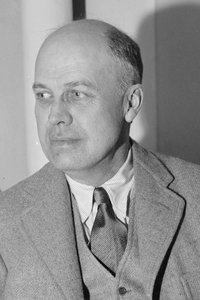
Edward Hopper
1931 - 1967 , United States of America
Quick Facts
- Artistic Movement Or Style: Realism
- Artists Or Movements Influenced By This Artist: ['Pierre Sanford Ross']
- Artists Who Influenced This Artist:
- William Merritt Chase
- Robert Henri
- Date Of Birth: July 22, 1882
- Date Of Death: May 15, 1967
- Full Name: Edward Hopper
- Nationality: American
- Notable Artworks:
- Nighthawks
- House by the Railroad
- Gas
- Automat
- Place Of Birth: Nyack, USA

