 Preview
 Send
Send Share
Share
 Details

 Download
 Similars
 X-Ray
X-Ray Diaporama
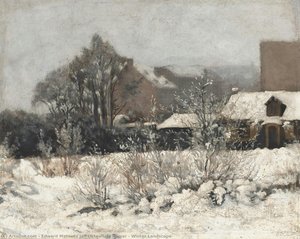
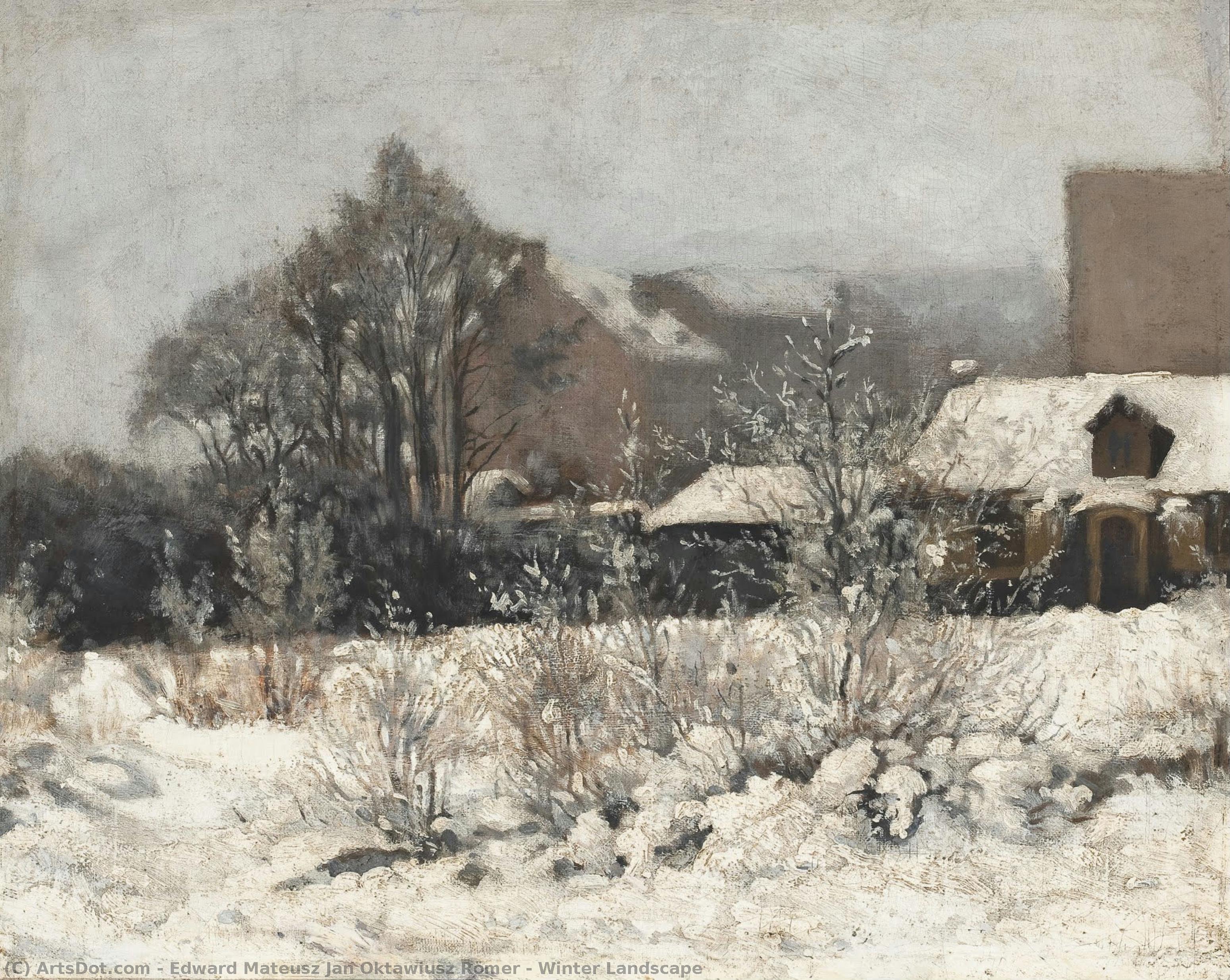
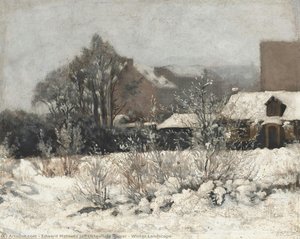
Winter Landscape


 Read More
Hand Made Oil Reproduction
Hand-painted oil on canvas in your size and frame, made to order by our artists. ( Buy Print Buy Image)




































Pick from our preset sizes that match the artwork's original proportions.

You may enter your own dimensions to fit a specific frame or space. If your selected size does not match the original image's proportions, we will either crop the artwork or extend the painting with additional hand-painted elements. A digital mockup will be sent for your approval before production begins.
Please note that the on-screen preview does not reflect the actual cropping or extension. Only the mockup will accurately show the final composition.
While custom sizes are available, we recommend selecting a dimension from the predefined list to preserve the original proportions.
After order, ArtsDot.com team will email client for instructions and provide a mockup preview
Worldwide Delivery () in 3/4 weeks instead of standard 5 weeks. (27 August). No compromise on quality.

Free Worldwide Express Shipping

High-Quality Linen Canvas

Full Shipping Insurance

Customs Tax Refund Guarantee

True Color Matching Guarantee

60-Day Return Policy (Defects Only)

100% Money-Back Guarantee

Bulk Discount Offer
 Glass option is only available in size under 110 CM

Winter Landscape
Reproduction Medium
Reproduction Size
-


Total Price
$ 263
Artwork Description
Related Artworks



Artist Biography
The Silent Majesty of the Winter Soul
Edward Mateusz Römer (1848–1900) was a master of the ephemeral, an artist who possessed the rare ability to freeze the fleeting breath of a winter morning onto canvas. Born in Vologda, within the vast expanse of the Russian Empire, his early life was shaped by the profound landscapes of his youth and a lineage of intellectual rigor. The son of the noted writer and social activist Edward Jan Römer, he grew up in an environment where the weight of history and the beauty of nature were inextricably linked. Though his roots reached into the Baltic-German tradition, his artistic spirit was truly forged in the academies of Europe, moving from the disciplined halls of Dresden to the prestigious Academy of Fine Arts in Munich. It was here, between 1869 and 1878, that Römer transitioned from a student of form to a poet of atmosphere, learning to translate the silent, heavy stillness of snow into a visual language of profound emotion.
His work belongs to the evocative tradition of the landscape of mood, a movement that sought far more than mere topographical accuracy. For Römer, a landscape was not simply a collection of trees and earth, but a mirror reflecting the internal state of the human soul. He moved away from the grand, heroic vistas of classical painting to embrace the intimate and the mundane—the quiet courtyard of his home in Vilnius, or a lonely, snow-covered path lost in a silver fog. Through his eyes, the ordinary became extraordinary. He captured the way light dissolves the edges of reality, where the silhouettes of houses and trees emerge softly from a misty, luminous background, appearing to lose their very substance to become part of a dreamlike vision.
Technique and the Alchemy of Light
The technical brilliance of Römer lies in his meticulous approach to texture and tonal gradation. He did not merely paint snow; he painted the weight, the cold, and the light that lives within it. His process was one of patience and layering, utilizing thin glazes applied in multiple sessions to build a luminous depth that seems to glow from within the canvas. This painstaking method allowed him to achieve a breathtaking realism, capturing the dramatic interplay of icy winds, frozen lakes, and the soft, powdery accumulation of a recent storm. By blending colors with such precision, he could recreate the chilling beauty of the Russian wilderness, making the viewer feel the biting crispness of the air and the muffled silence that follows a heavy snowfall.
His artistic sensibilities were deeply informed by the principles of the Barbizon School, particularly the works of Jean-François Millet and Gustave Courbet. From these masters, he inherited a commitment to uncompromising honesty and the rejection of idealized, artificial beauty. Instead, Römer prioritized the raw, textural complexity of nature. His canvases are studies in tonal subtlety, where the transition from a deep, shadowed blue to a brilliant, blinding white is handled with such grace that the eye perceives not just color, but temperature and movement. This dedication to the true essence of his subjects elevated his work from mere representation to a form of visual poetry.
Legacy of a Quiet Visionary
Despite a life that saw him move between the centers of European art and the more isolated landscapes of his estate in Lunna, Römer’s influence remained widespread. He shared a studio in Vilnius with his brother, the talented sculptor Alfred Izydor Römer, creating a familial hub of creativity that contributed to the cultural fabric of the region. His achievements were recognized early on through honors such as a silver medal at an exposition in Lwów and exhibitions with the Kraków Society of Friends of Fine Arts. Even as he lived a life somewhat removed from the bustling metropolitan art scenes, his works continued to find audiences across Northern Europe and France.
Today, the significance of Edward Mateusz Römer lies in his ability to bridge the gap between realism and impressionistic mood. He remains a definitive interpreter of the winter landscape, an artist who understood that the most profound truths are often found in the quietest moments. His paintings serve as enduring windows into a vanished era, inviting us to step into a world of silvery mists and frozen silence, where the soul of the winter landscape is captured with eternal, breathtaking clarity.
edward mateusz jan oktawiusz römer
1848 - 1900 , Russia
Quick Facts
- Artistic Movement Or Style: Realist Painting
- Date Of Birth: 1848
- Date Of Death: 1900
- Full Name: Edward Mateusz Römer
- Nationality: Russian
- Notable Artworks: ['Winter Landscape']
- Place Of Birth: Volgograd, Russia