 Preview
 Send
Send Share
Share
 Details

 Download
 Similars
 X-Ray
X-Ray Diaporama
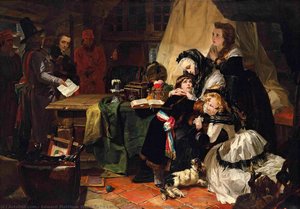
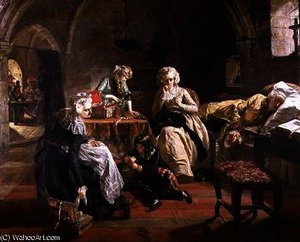
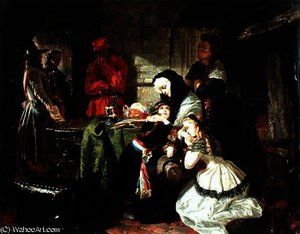
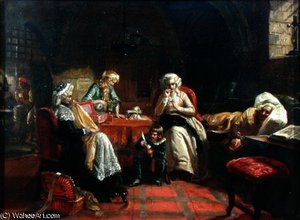
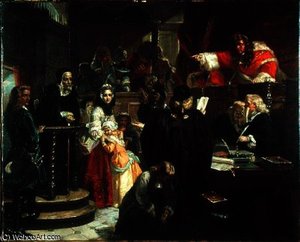
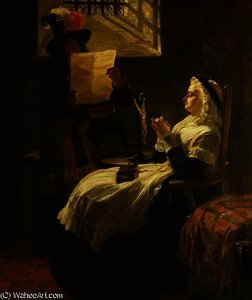
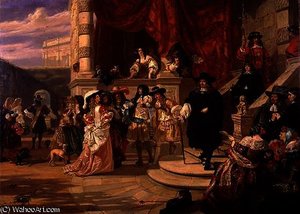
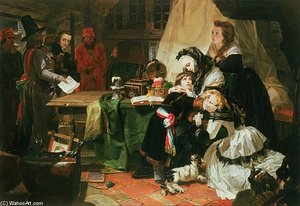
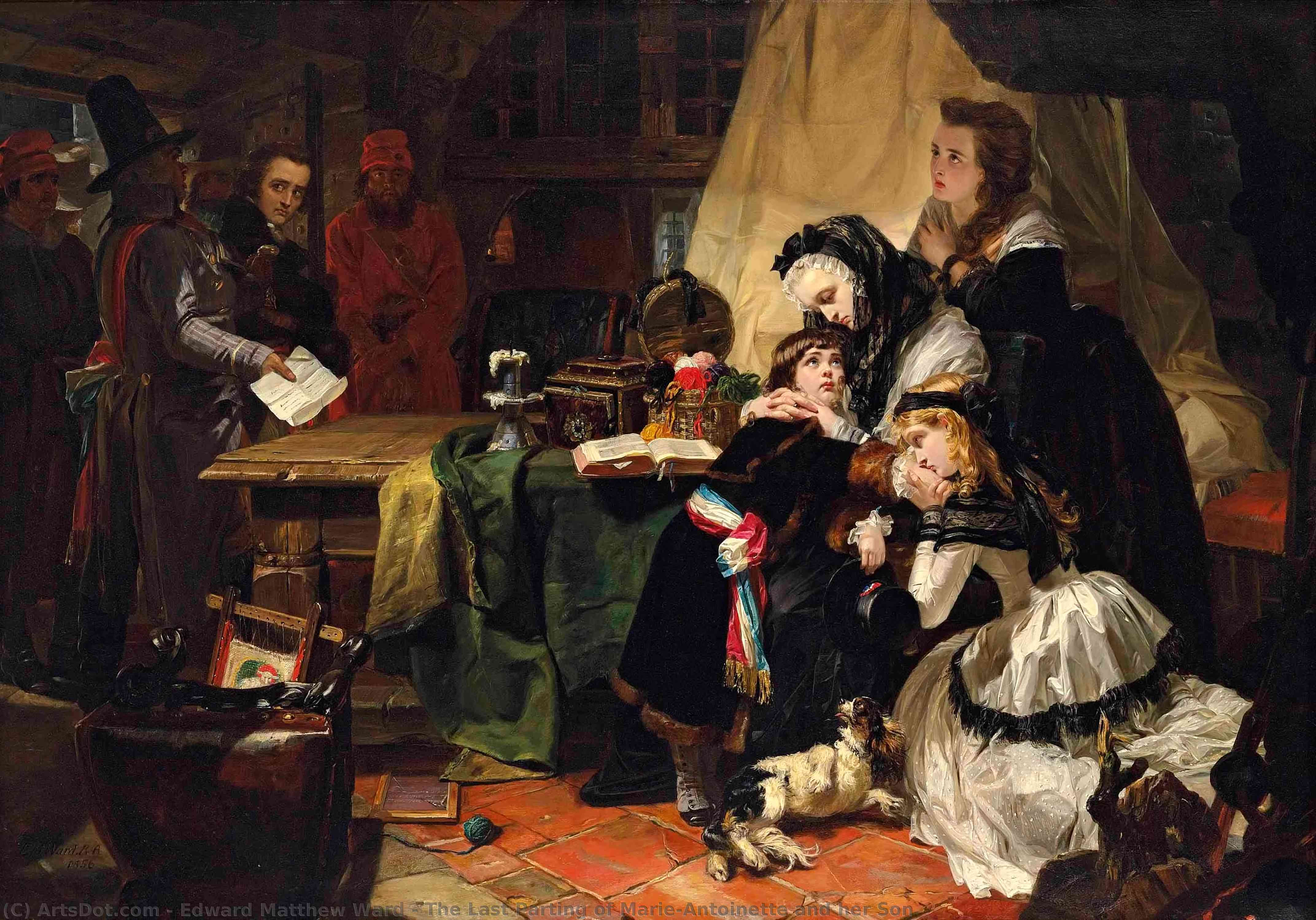
The Last Parting of Marie-Antoinette and her Son
 Read More
Hand Made Oil Reproduction
Hand-painted oil on canvas in your size and frame, made to order by our artists. ( Buy Print Buy Image)




































Pick from our preset sizes that match the artwork's original proportions.

You may enter your own dimensions to fit a specific frame or space. If your selected size does not match the original image's proportions, we will either crop the artwork or extend the painting with additional hand-painted elements. A digital mockup will be sent for your approval before production begins.
Please note that the on-screen preview does not reflect the actual cropping or extension. Only the mockup will accurately show the final composition.
While custom sizes are available, we recommend selecting a dimension from the predefined list to preserve the original proportions.
After order, ArtsDot.com team will email client for instructions and provide a mockup preview
Worldwide Delivery () in 3/4 weeks instead of standard 5 weeks. (16 August). No compromise on quality.

Free Worldwide Express Shipping

High-Quality Linen Canvas

Full Shipping Insurance

Customs Tax Refund Guarantee

True Color Matching Guarantee

60-Day Return Policy (Defects Only)

100% Money-Back Guarantee

Bulk Discount Offer
 Glass option is only available in size under 110 CM

The Last Parting of Marie-Antoinette and her Son
Reproduction Medium
Reproduction Size
-


Total Price
$ 263
Related Artworks
Artist Biography
Edward Matthew Ward: A Victorian Narrative Painter of British History
- Born: Pimlico, United Kingdom (1816)
- Died: 1879
Edward Matthew Ward RA was a prominent English Victorian narrative painter celebrated for his monumental murals within the Palace of Westminster. These works depict significant episodes from British history, spanning the tumultuous period of the English Civil War to the Glorious Revolution. Beyond these large-scale commissions, Ward’s career encompassed a diverse range of subjects, reflecting his evolving artistic interests and engagement with contemporary social and political themes.
Early Life and Artistic Development
- Early Training & Illustrations: Born in Pimlico, London, Ward demonstrated artistic talent early on. He contributed illustrations to the popular satirical book Rejected Addresses alongside his uncles, James and Horace Smith, and also illustrated works by Washington Irving. Winning the "silver palette" from the Society of Arts in 1830 marked an early recognition of his abilities.
- Royal Academy & Rome: Supported by David Wilkie and Francis Leggatt Chantrey, Ward became a student at the Royal Academy Schools. A pivotal moment arrived with his journey to Rome in 1836, where he received a silver medal from the Academy of St Luke in 1838 for his painting "Cimabue and Giotto." This work was subsequently exhibited at the Royal Academy in 1839, establishing him on the artistic scene.
- The Clique & Early Influences: During his time at the Royal Academy Schools, Ward became part of a group known as “The Clique,” led by Richard Dadd. The Clique championed a distinctly national style, drawing inspiration from artists like Hogarth and Wilkie. This influence is evident in many of Ward’s early paintings, which frequently depicted scenes set in the 18th century or explored Hogarthian themes. His interest in 17th-century history was fueled by his friendship with historian Thomas Babington Macaulay.
Major Works and Artistic Style
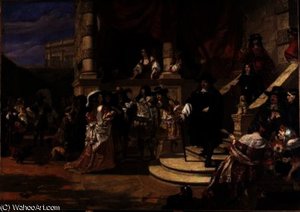
- Westminster Murals: Ward’s most significant achievement remains the eight murals he painted for the Palace of Westminster, commissioned despite an earlier unsuccessful competition entry in 1843. These murals dramatically portray parallel events from the Royalist and Parliamentary sides during the English Civil War, presenting opposing figures as if confronting one another across the corridor – a striking visual representation of historical conflict.
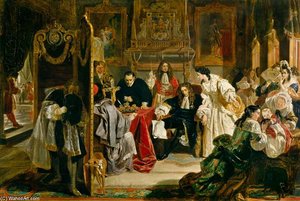
- Hogarthian Subjects & Historical Scenes: Throughout the 1860s, Ward continued to explore Hogarthian themes and episodes from British history. Notable examples include "Hogarth's Studio in 1739" (York City Art Gallery) and "The Antechamber at Whitehall during the Dying Moments of Charles II" (Walker Art Gallery, Liverpool).
- Artistic Style: Ward’s style is characterized by a dramatic narrative approach, meticulous attention to detail, and a strong sense of historical accuracy. While influenced by Hogarth's satirical commentary and Wilkie's realism, he developed his own distinctive voice, blending historical documentation with theatrical presentation. His works often feature large casts of figures engaged in dynamic action, creating compelling visual narratives.
Later Life, Personal Tragedy & Legacy
- Conflict with the Pre-Raphaelites: In the 1850s, Ward publicly criticized the Pre-Raphaelite movement, particularly Millais’ style, which he deemed un-British. A controversial moment arose when his painting "Charlotte Corday Being Led to Execution" won a prize over Millais' "Ophelia" at Liverpool, sparking considerable debate within the art world.
- Personal Life & Relationships: Ward married Henrietta Ward (no relation), in 1848 after an elopement facilitated by Wilkie Collins. Their relationship was complicated by Henrietta’s mother’s disapproval and disinheritance. Collins is believed to have drawn inspiration from their story for his novel Basil. Henrietta later became a successful art teacher and wrote memoirs about their life together.
- Tragic End & Family: Towards the end of his life, Ward suffered from illness and depression. He tragically died by suicide in January 1879. His son, Leslie Ward, achieved fame as a caricaturist for Vanity Fair under the pseudonym "Spy."
- Historical Significance: Edward Matthew Ward’s legacy rests primarily on his monumental Westminster murals, which remain an important part of British heritage and offer a powerful visual record of key historical events. His work reflects the Victorian fascination with history and narrative painting, while also demonstrating a commitment to portraying national identity and values.
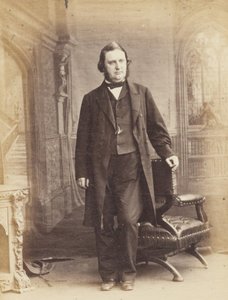
Edward Matthew Ward
1816 - 1879 , United Kingdom
Quick Facts
- Artistic Movement Or Style: Victorian Narrative Painting
- Artists Who Influenced This Artist:
- Hogarth
- Wilkie
- Thomas Babington Macaulay
- Date Of Birth: 1816
- Date Of Death: 1879
- Full Name: Edward Matthew Ward
- Nationality: English
- Notable Artworks:
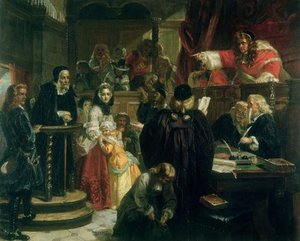
- The Fall of Edward Hyde
- Royal Family of France in Prison
- The Orphan of the Temple
- Isaak Walton Fishing
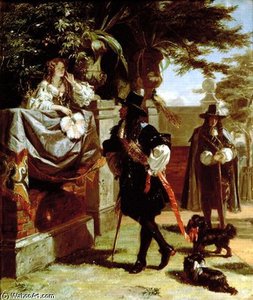
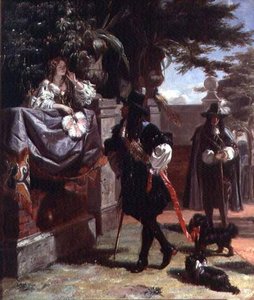
- Charles II And Nell Gwynne
- Place Of Birth: Pimlico, United Kingdom