 Preview
 Send
Send Share
Share
 Details

 Download
 Similars
 X-Ray
X-Ray Diaporama
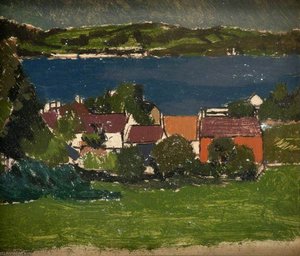
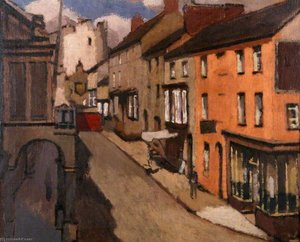
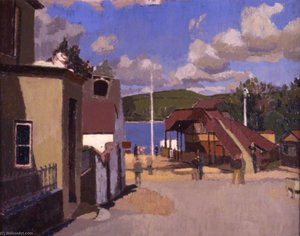
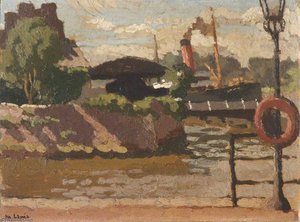
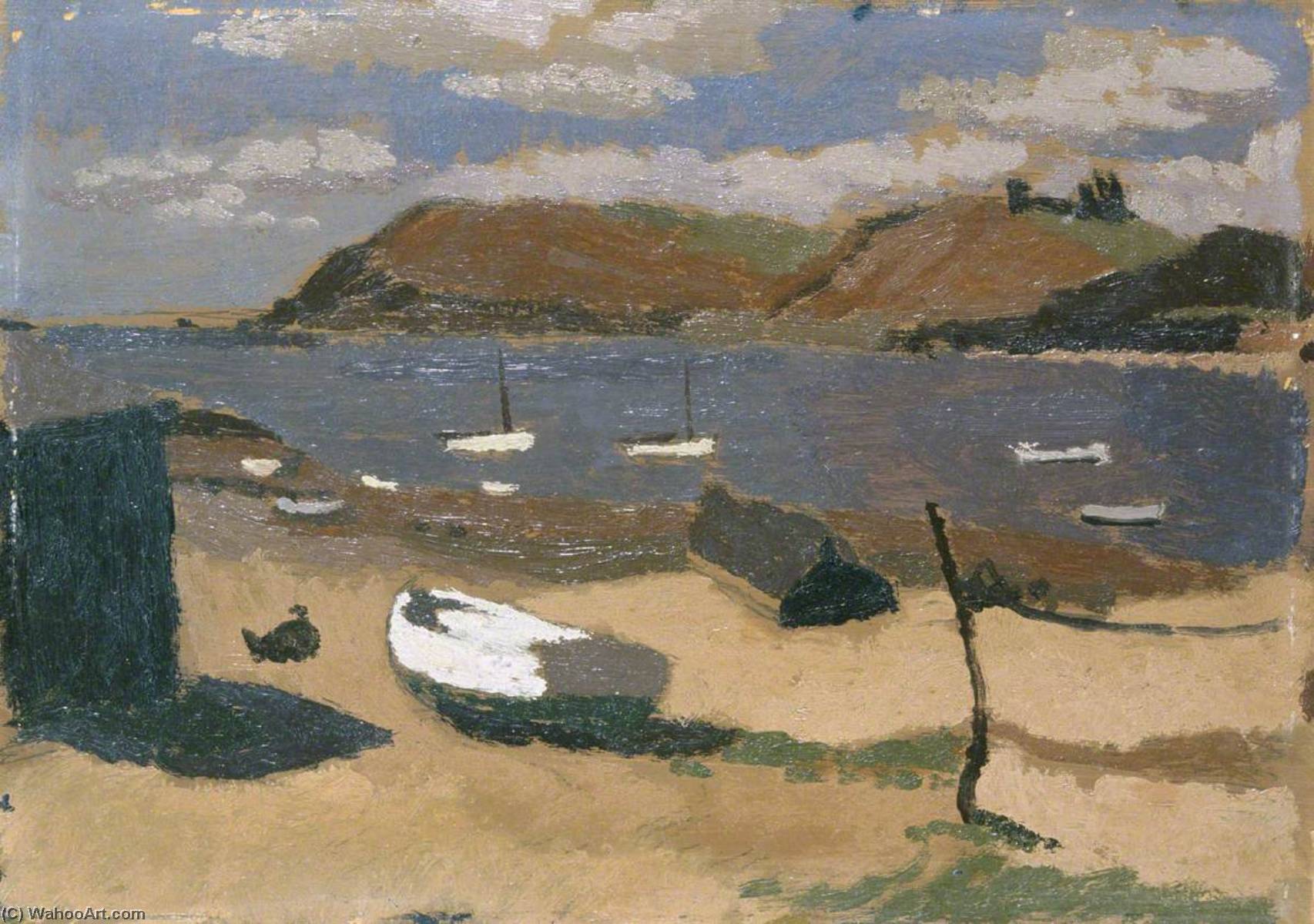
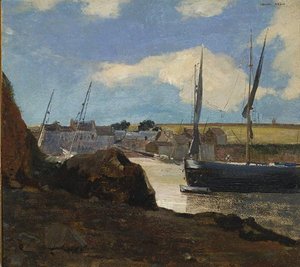
Carmarthen Bay
 Impressionism
 19.0 x 27.0 cm
 Read More
Hand Made Oil Reproduction
Hand-painted oil on canvas in your size and frame, made to order by our artists. ( Buy Print Buy Image)




































Pick from our preset sizes that match the artwork's original proportions.

You may enter your own dimensions to fit a specific frame or space. If your selected size does not match the original image's proportions, we will either crop the artwork or extend the painting with additional hand-painted elements. A digital mockup will be sent for your approval before production begins.
Please note that the on-screen preview does not reflect the actual cropping or extension. Only the mockup will accurately show the final composition.
While custom sizes are available, we recommend selecting a dimension from the predefined list to preserve the original proportions.
After order, ArtsDot.com team will email client for instructions and provide a mockup preview
Worldwide Delivery () in 3/4 weeks instead of standard 5 weeks. (17 August). No compromise on quality.

Free Worldwide Express Shipping

High-Quality Linen Canvas

Full Shipping Insurance

Customs Tax Refund Guarantee

True Color Matching Guarantee

60-Day Return Policy (Defects Only)

100% Money-Back Guarantee

Bulk Discount Offer
 Glass option is only available in size under 110 CM

Carmarthen Bay
Reproduction Medium
Reproduction Size
-


Total Price
$ 263
Related Artworks
Artist Biography
Edward Morland Lewis: A Pioneer of Victorian Narrative Realism
Edward Morland Lewis (1903 – 1943) stands as a significant, yet often overlooked, figure in British art history—specifically within the realm of Victorian narrative realism. Born Kathleen Margaret Godfrey-Faussett-Osborne in Lichfield, Staffordshire, he adopted the pseudonym “Kit” Lewis for his artistic endeavors, reflecting a desire for creative autonomy and distancing himself from familial expectations. His formative years were steeped in artistic influence; his mother, Mary Ward, was a sister of renowned animal painter James Ward, and his father, Henry Bryan Godfrey Godfrey-Faussett-Osborne, possessed considerable financial resources allowing him to pursue his passion for painting without significant constraints. This privileged upbringing fostered an early appreciation for observation and meticulous detail—qualities that would become hallmarks of Lewis’ distinctive style. Lewis embarked on formal artistic training at Chelsea College of Art under the tutelage of Graham Sutherland, absorbing Sutherland's modernist sensibilities while simultaneously grounding himself in traditional techniques. It was during this period that he married Edward Williams, a fellow artist who shared his dedication to capturing the essence of everyday life through realistic portrayals. Their union cemented their commitment to artistic collaboration and fueled their exploration of themes related to domesticity, labor, and social commentary—subjects central to Victorian art’s preoccupation with documenting the realities of the era. Tragically, Lewis' career was cut short by his untimely death during World War II while serving as a war artist in North Africa – a loss that robbed the artistic community of a promising talent. Lewis’ artistic output is characterized by an unwavering commitment to portraying scenes from ordinary existence with remarkable accuracy and sensitivity. Unlike Impressionists who prioritized fleeting impressions of light and color, Lewis meticulously rendered interiors—particularly bedrooms—and landscapes—often featuring rural cottages and coastal vistas—with painstaking attention to texture and tonal gradation. His canvases are populated by figures engaged in commonplace activities—cooking, gardening, working—presented without romantic embellishment or idealized beauty. Instead, he sought to convey the psychological complexities of human experience within these familiar settings, capturing subtle nuances of emotion and gesture that reveal profound insights into Victorian society. His artistic vision was profoundly shaped by the influence of Burne Jones, whose decorative style championed symbolism and narrative storytelling—principles Lewis embraced wholeheartedly. This stylistic kinship is evident in his paintings’ evocative compositions and their ability to communicate complex ideas through visual imagery. Furthermore, Lewis' work aligns with the broader movement toward genre painting during the Victorian period, which aimed to depict scenes from daily life as a means of documenting social conditions and exploring moral themes. His canvases serve as invaluable records of Victorian domesticity and rural life—providing glimpses into the lives of ordinary people amidst the grandeur of imperial ambition. Lewis’ legacy extends beyond his individual paintings; he established King Edward VI College, fostering artistic education and nurturing talent among aspiring artists. Today, ArtsDot recognizes Lewis' contribution to Victorian narrative realism, showcasing his masterful depictions of domestic interiors and landscapes—a testament to his enduring artistic vision and a celebration of British art history. His work continues to inspire admiration for its meticulous observation, emotional depth, and unwavering commitment to portraying the human condition with honesty and compassion.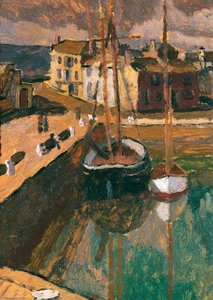
edward morland lewis
1903 - 1943
Quick Facts
- Artistic Movement Or Style: Victorian Narrative Realism
- Artists Or Movements Influenced By This Artist: ['Burne-Jones']
- Artists Who Influenced This Artist: ['Graham Sutherland']
- Date Of Death: 1943
- Full Name: Edward Morland Lewis
- Nationality: British
- Notable Artworks:
- Man in an Armchair
- Working Man's Bedroom
- The Beach and Estuary with Boats
Related Articles
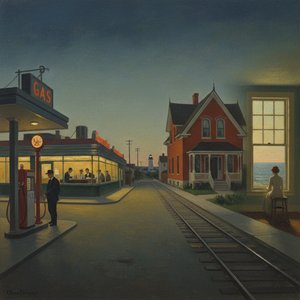
Edward Hopper's Masterpieces: 25 Iconic Paintings & Their Enduring Legacy | ArtsDot
Explore 25 iconic Edward Hopper paintings & their stories. Discover American realism, urban loneliness, and timeless beauty through his masterpieces. Find museum-quality art reproductions & curated decor ideas at ArtsDot.com.
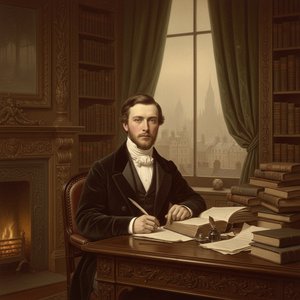
Edward Morland Lewis: A Rising Star of Victorian Narrative Realism
Explore the captivating works of Edward Morland Lewis, a key figure in Victorian genre painting. Discover his realistic depictions of everyday life, artistic influences, and current market value with ArtsDot.

Impressionistic Landscapes: 10 Masterpieces That Changed Art & Decor
Journey into the heart of Impressionism! Explore 10 masterpieces by Monet, Renoir & Degas that revolutionized landscape art. Discover their stories, techniques & find museum-quality reproductions to elevate your home decor on ArtsDot.com.

Beyond the Horizon: 10 Landscape Masterpieces for Your Home Decor
Journey through 10 breathtaking landscape paintings by Monet, Van Gogh & more! Explore iconic artworks, artistic techniques & find inspiration for your home decor. Museum-quality reproductions at ArtsDot.com. Discover all masterpieces on ArtsDot.com

Impressionist Landscapes: 10 Masterpieces for Your Home | ArtsDot
Journey through 10 iconic Impressionist landscapes by Monet, Renoir & Degas. Explore the history, techniques & emotions behind these masterpieces. Find museum-quality reproductions for your home at ArtsDot.com – where art comes to life! Discover all masterpieces on ArtsDot.com